Do ethanol factories really cause deadly pollution? Grain-based plants are protected by ZLD technology, but regulations must be followed: Read why there’s an uproar in Rajasthan
When the decision was made to establish grain-based ethanol factories in Tibbi and Sangaria in Hanumangarh, Rajasthan, it seemed Rajasthan would be flooded with such industries. During former Rajasthan CM Ashok Gehlot’s tenure, a Chandigarh-based company announced plans to establish an ethanol factory in Hanumangarh’s rice belt, with an investment of ₹450 crore. The land was acquired, the process completed, but then some local farmers started opposing it. They alleged that the factory would contaminate the soil, pollute the groundwater, and poison the atmosphere with smoke from the chimneys. Diseases would spread among people, and destruction would occur everywhere in the name of development, they further claimed. Protests continued peacefully for several days, but later turned violent. The factory’s boundary wall was demolished, and a massive uproar ensued. The Congress party, which is now in the opposition, began leading the violence through its MPs and MLAs. Finally, after repeated protests by farmers, the factory management gave in and decided not to build its ethanol factory in Hanumangarh. The next day after this incident, a protest erupted over the construction of another upcoming factory in Sangaria, Hanumangarh. Mahapanchayats were convened. Protesters from states like Punjab arrived in Hanumangarh and headed to Sangaria. However, all these facts are stated here to prompt the readers to question: Will the construction of an ethanol factory really cause such widespread devastation as is being claimed by those opposing it? The question is whether an ethanol factory will actually cause such devastation, or is it simply fearmongering? Three years ago, an ethanol factory in the town of Zira in Punjab’s Ferozepur district was shut down following protests. The Zira plant was initially started as a distillery in 2006 and later converted to an ethanol production unit in 2014. Residents of villages surrounding the plant complained that it was releasing toxic waste, polluting groundwater and soil. The matter reached the National Green Tribunal (NGT), where the Central Pollution Control Board submitted a report in 2023. The report stated severe groundwater and soil pollution in the area surrounding the industrial unit. The Zira plant was shut down in July 2022 amid growing protests. Now, the ethanol factory is being opposed due to fears of similar pollution. However, the truth is that the Zira factory was owned by a local Akali leader. His negligence regarding pollution led to such significant losses. Since the damage in Zira has been exposed, people are scared. This leads to the question: are ethanol-producing factories truly as dangerous, or is the Zira case an exception? Is pollution from ethanol factories deadly? Ethanol plants (especially those based on grain/rice/corn) are classified as ‘Red Category’ industries by the Central Pollution Control Board (CPCB). This means that if modern technology is not used, they can be extremely hazardous and polluting. It’s worth noting that these factories run on rice, not sugarcane. Can pollution be prevented? If we answer this question from a technical perspective, the pollution can be controlled up to 99% with modern technology. Today, the government has mandated ZLD (Zero Liquid Discharge) technology for ethanol plants. This mandates that not a single drop of wastewater be released from the factory. The factory must recycle the water, and the remaining solid waste (Distillers Dried Grains with Solubles, DDGS) is dried and sold as animal feed. To prevent air pollution, chimneys are mandated to install ESPs (Electrostatic Precipitators), which prevent ash particles from entering the air. Main differences between making ethanol from grains and ethanol from sugarcane Ethanol is a biofuel produced primarily through fermentation and distillation. In India, it is used as a blend in petrol. Grains (such as corn, rice, and damaged grains) and sugarcane both produce ethanol, but the process, yield, environmental impact, and cost differ significantly. The difference between raw material and process The process of producing ethanol from sugarcane: Sugarcane is crushed, and the juice is extracted. Molasses (thick jaggery syrup), B-heavy molasses, or straight sugarcane juice/syrup are used after sugar production. The sugar (sucrose) is directly fermented by yeast to produce ethanol. The process is simple and quick. The process of producing ethanol from grains: Grains (corn, rice, etc.) contain starch. First, the starch is ground and mixed with hot water, then converted to sugar (saccharification) using an enzyme (amylase). This is followed by fermentation by yeast. This process is lengthy and energy-intensive. Yield and efficiency: Grains yield more ethanol per ton of feedstock (450-480 litres from rice, 380-460 liters from other grains). Sugarcane molasses yields less, but the bagasse produced during the sugarcane process can be


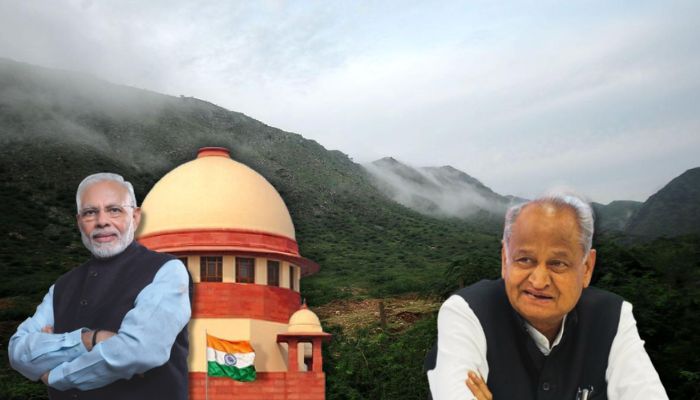
When the decision was made to establish grain-based ethanol factories in Tibbi and Sangaria in Hanumangarh, Rajasthan, it seemed Rajasthan would be flooded with such industries. During former Rajasthan CM Ashok Gehlot’s tenure, a Chandigarh-based company announced plans to establish an ethanol factory in Hanumangarh’s rice belt, with an investment of ₹450 crore. The land was acquired, the process completed, but then some local farmers started opposing it.
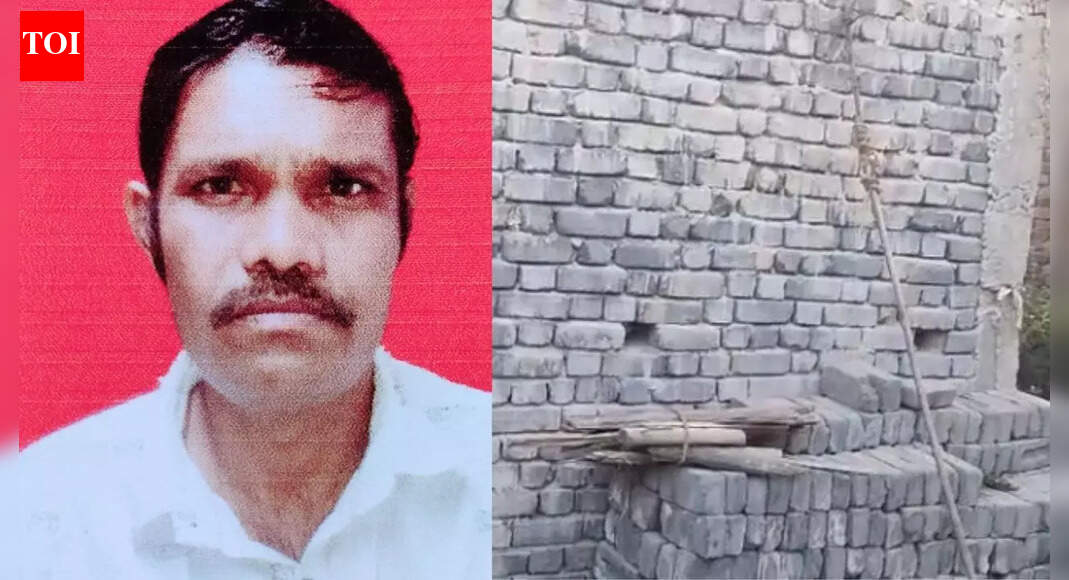
They alleged that the factory would contaminate the soil, pollute the groundwater, and poison the atmosphere with smoke from the chimneys. Diseases would spread among people, and destruction would occur everywhere in the name of development, they further claimed. Protests continued peacefully for several days, but later turned violent. The factory’s boundary wall was demolished, and a massive uproar ensued.
The Congress party, which is now in the opposition, began leading the violence through its MPs and MLAs. Finally, after repeated protests by farmers, the factory management gave in and decided not to build its ethanol factory in Hanumangarh.
The next day after this incident, a protest erupted over the construction of another upcoming factory in Sangaria, Hanumangarh. Mahapanchayats were convened. Protesters from states like Punjab arrived in Hanumangarh and headed to Sangaria. However, all these facts are stated here to prompt the readers to question: Will the construction of an ethanol factory really cause such widespread devastation as is being claimed by those opposing it?
The question is whether an ethanol factory will actually cause such devastation, or is it simply fearmongering? Three years ago, an ethanol factory in the town of Zira in Punjab’s Ferozepur district was shut down following protests. The Zira plant was initially started as a distillery in 2006 and later converted to an ethanol production unit in 2014. Residents of villages surrounding the plant complained that it was releasing toxic waste, polluting groundwater and soil.
The matter reached the National Green Tribunal (NGT), where the Central Pollution Control Board submitted a report in 2023. The report stated severe groundwater and soil pollution in the area surrounding the industrial unit. The Zira plant was shut down in July 2022 amid growing protests. Now, the ethanol factory is being opposed due to fears of similar pollution.
However, the truth is that the Zira factory was owned by a local Akali leader. His negligence regarding pollution led to such significant losses. Since the damage in Zira has been exposed, people are scared. This leads to the question: are ethanol-producing factories truly as dangerous, or is the Zira case an exception?
Is pollution from ethanol factories deadly?
Ethanol plants (especially those based on grain/rice/corn) are classified as ‘Red Category’ industries by the Central Pollution Control Board (CPCB). This means that if modern technology is not used, they can be extremely hazardous and polluting. It’s worth noting that these factories run on rice, not sugarcane.
Can pollution be prevented?
If we answer this question from a technical perspective, the pollution can be controlled up to 99% with modern technology. Today, the government has mandated ZLD (Zero Liquid Discharge) technology for ethanol plants. This mandates that not a single drop of wastewater be released from the factory. The factory must recycle the water, and the remaining solid waste (Distillers Dried Grains with Solubles, DDGS) is dried and sold as animal feed. To prevent air pollution, chimneys are mandated to install ESPs (Electrostatic Precipitators), which prevent ash particles from entering the air.
Main differences between making ethanol from grains and ethanol from sugarcane
Ethanol is a biofuel produced primarily through fermentation and distillation. In India, it is used as a blend in petrol. Grains (such as corn, rice, and damaged grains) and sugarcane both produce ethanol, but the process, yield, environmental impact, and cost differ significantly.
The difference between raw material and process
The process of producing ethanol from sugarcane: Sugarcane is crushed, and the juice is extracted. Molasses (thick jaggery syrup), B-heavy molasses, or straight sugarcane juice/syrup are used after sugar production. The sugar (sucrose) is directly fermented by yeast to produce ethanol. The process is simple and quick.
The process of producing ethanol from grains: Grains (corn, rice, etc.) contain starch. First, the starch is ground and mixed with hot water, then converted to sugar (saccharification) using an enzyme (amylase). This is followed by fermentation by yeast. This process is lengthy and energy-intensive.
Yield and efficiency: Grains yield more ethanol per ton of feedstock (450-480 litres from rice, 380-460 liters from other grains). Sugarcane molasses yields less, but the bagasse produced during the sugarcane process can be used to generate electricity, which saves energy.
Current Status of Ethanol Production in India: Sugarcane was previously the primary source of ethanol in India, but now more ethanol is being produced from grains (especially corn). By 2023-24, 60% of total ethanol was produced from grains and 40% from sugarcane. Both methods are essential for India’s 20% ethanol blending target (by 2025), but grain-based production is a more sustainable and diversified option. Therefore, the government is now encouraging grain-based distilleries.
Comparison of pollution caused by grain-based and sugarcane-based ethanol production
Rajasthan is planning a rice-based ethanol plant, which falls under the grain-based category. The main difference between the two processes is the level of pollution—the sugarcane-based (molasses) process causes more pollution, especially to water and soil. Grain-based (such as rice or corn) processes are considered less polluting and environmentally friendly.
What causes more pollution?
The biggest risk of water pollution in making sugarcane-based ethanol is the production of spent wash during the process. The ethanol production process produces spent wash, a highly toxic, dark-colored liquid. If left untreated on the ground or discharged into canals, it can pollute groundwater and soil for miles. There are cases of untreated effluent discharge from many sugar mills/distilleries in India, impacting rivers like the Ganga.
Such factories also cause air pollution. Using rice husk or coal to power boilers produces fly ash and smoke. The fermentation process can also create a strange, sour smell within a radius of 2-3 kilometres.
Grain-based plants are less polluting: Less water is used (~2570 litres of water per litre of ethanol from corn as compared to 3000 litres of water per litre of ethanol from sugarcane), and most plants are ZLD (Zero Liquid Discharge), so no liquid waste is released. The solid waste (DDGS) is also useful. Grain-based plants in India are increasingly encouraged by the government because they are better for the environment.
How is waste disposed of?
Sugarcane-based: Spent wash is treated by biomethanation, concentration (evaporation), and incineration. New regulations mandate ZLD, but older plants often discharge untreated waste. Bagasse generates electricity.
Grain-based: Evaporation and drying produce solid (DDGS), which is sold as feed. ZLD is easier to process, with no liquid contamination. It is more suitable for dry areas like Rajasthan.
Overall, rice-based plants are a better option in Rajasthan because of their lower water consumption and pollution. However, local opposition (in Hanumangarh) stems from concerns about water discharge and air pollution despite the ZLD. The government’s commitment to ZLD could mitigate these problems.
What is ZLD technology?
ZLD stands for Zero Liquid Discharge. It is an advanced wastewater treatment technology that treats 100% of industrial wastewater, ensuring no liquid waste is released. All water is recycled, and the remaining solids are safely disposed of.
This technology is mainly used in water-scarce areas, countries with strict environmental regulations (like India) and polluting industries (distilleries, textiles, chemicals, pharma, sugar mills). In India, the CPCB has made ZLD mandatory for many industries, especially ethanol distilleries.
Why is ZLD important?
- Environmental protection: No wastewater is discharged into rivers, lakes or the ground.
- Water savings: 95-99% of water is recycled and reused.
- Resource recovery: Useful substances such as salt, chemicals or fertilisers can be extracted from waste.
- Legal Compliance: Installation of ZLD plants is mandatory in many states in India.
How can pollution from the ZLD process be reduced?
ZLD systems typically operate in several stages. Slight variations occur depending on the type of wastewater in each industry, but the basic flow is as follows:
Pretreatment: Removal of large particles, oil, grease, or suspended solids from wastewater. This involves filtration, sedimentation, or chemical treatment (such as pH adjustment).
Biological Treatment: Organic matter (BOD/COD) is broken down by bacteria. This stage of the spent wash is crucial in ethanol distilleries.
Membrane Technology (RO/Ultrafiltration): Reverse osmosis (RO) or ultrafiltration removes salts and impurities. This leaves 70-90% of the clean water (permeate) and concentrated brine.
Evaporation: The remaining concentrate is heated, and water is evaporated in a multi-effect evaporator (MEE). This recovers more water.
Crystallisation or drying: The concentrated brine remaining in the final stage is converted into solid salt/solids using a crystallizer or spray dryer. No liquid is left.
Special features of ethanol distilleries: Sugarcane-based distilleries produce highly polluted spent wash, so bio-methanation is followed by MEE and crystallizers. Grain-based distilleries produce DDGS, which provides easy ZLD.
Several companies in India, such as Uttam Energy, Alfa Laval, and Saltworks, manufacture ZLD plants specifically for ethanol plants. ZLD is excellent for the environment, but proper design and operation are essential. It is the perfect solution for ethanol plants in dry areas like Rajasthan.
Closing down industries is not the solution to the problem
Whether it’s an ethanol factory or any other, India’s pollution regulations are very strict on paper, but their implementation depends on many factors. Because the Indian government is heavily emphasising ethanol blending (E-20 petrol), these plants are directly monitored by the Central Pollution Control Board (CPCB).
Nowadays, online monitoring systems (OCEMS) are installed that send data directly to the CPCB. Local authorities sometimes have lax monitoring at night or during heavy rains, allowing some factories a leeway to discharge wastewater. The cost of operating ZLD plants and ESPs (electricity and chemicals) is high. Sometimes, to increase profits, owners turn off these machines.
However, instead of protesting against the factory, there should be a monitoring committee of residents and concerned citizens to ensure that the factory doesn’t discharge sewage and that local youth are prioritised for employment. Closing the industry isn’t the solution, but violating regulations is a crime. True development lies in a balance between the two.
Now that the factory has closed due to Congress’s destructive policies, it’s a major setback for Rajasthan’s development and industry. With the establishment of this one factory, 10 more would have followed. Hanumangarh could have become an industrial hub, but due to Congress’s politics, the entire state of Rajasthan has suffered a setback. With this project gone, many other projects will also be blocked.
(This article is a translation of the original article published on OpIndia Hindi.)