When U.S. honeybees began collapsing in 2006, scientists raced to find the cause. Nearly 20 years later, the hive crisis is still not fully solved
Colony Collapse Disorder emerged in 2006, puzzling scientists with vanishing bees. Research now shows multiple factors weaken honeybee colonies, not one cause. Varroa mites and viruses significantly contribute to bee losses each year. Modern agriculture and climate change further stress bee populations and food access. Ongoing studies aim to protect these vital pollinators for agriculture's future.
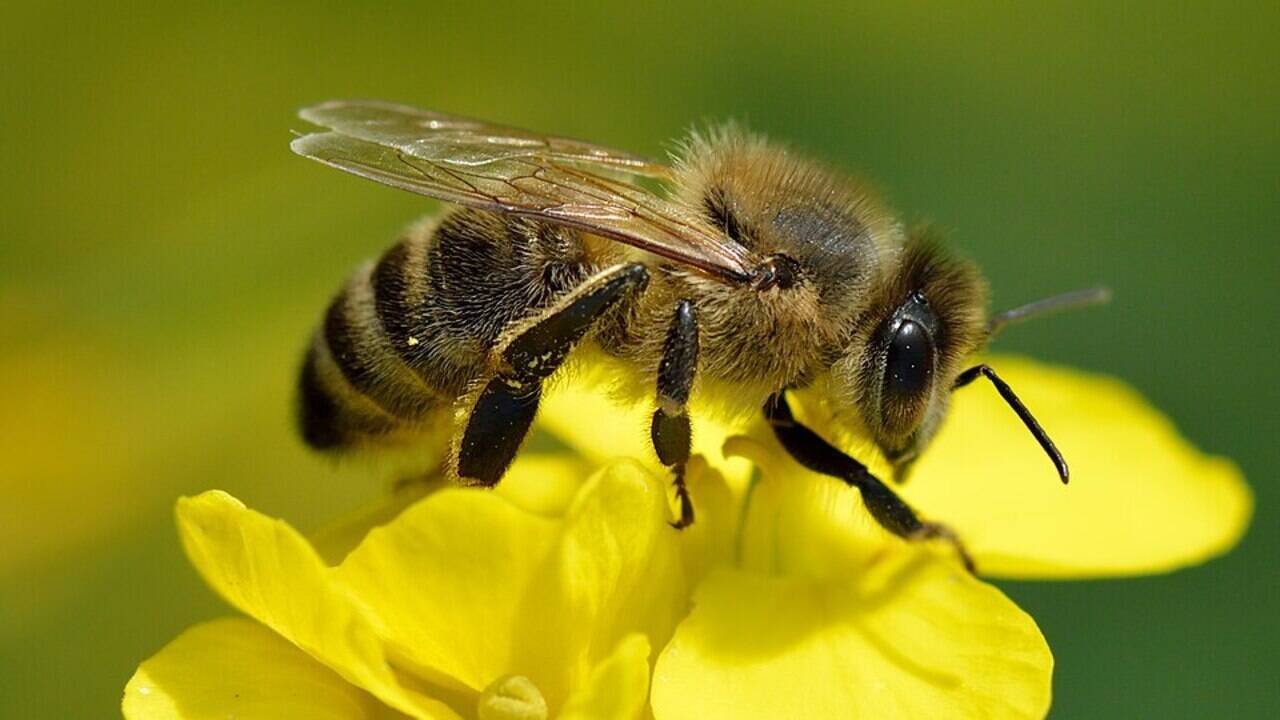
Colony Collapse Disorder emerged in 2006, puzzling scientists with vanishing bees. Research now shows multiple factors weaken honeybee colonies, not one cause. Varroa mites and viruses significantly contribute to bee losses each year. Modern agriculture and climate change further stress bee populations and food access. Ongoing studies aim to protect these vital pollinators for agriculture's future.