As a lifelong Cristiano Ronaldo fan, I believe Argentina beat Egypt fair and square—The bigger story is why football can never escape politics
Cristiano Ronaldo has been my guy ever since I was old enough to pick a side in football. For years, I’ve said openly that referees have tended to be more lenient with Messi than they ever were with him. That’s why it means something when I tell you straight, Argentina’s 3-2 comeback against Egypt in the Round of 16 was earned on the pitch, not handed to them. The loudest claims that the tournament is being steered toward Messi don’t actually tell us much about Tuesday’s match. They tell us something older about football itself. The sport has never once managed to exist in a vacuum, untouched by everything else happening around it. The Comeback Egypt controlled the game for most of the first hour and kept Argentina pinned back. Yasser Ibrahim gave them the lead with a header in the 15th minute, and their goalkeeper Shobeir then saved a penalty from Messi. Egypt continued to threaten, and Zico thought he had made it 2-0 shortly after, only for VAR to rule the goal out after spotting a foul on Lisandro Martínez during the buildup. He eventually found the net in the 67th minute to put Egypt two goals ahead. With just eleven minutes remaining, Argentina looked like they were heading out. But then everything changed. Romero headed in from a Messi cross in the 79th minute, Messi equalised four minutes later, and Enzo Fernández nodded in the winner from close range deep into stoppage time. In the space of thirteen minutes, Argentina scored three times and turned the game completely around. It was one of those nights you don’t forget in a hurry. The Officiating, on Its Own Terms Egypt coach Hossam Hassan didn’t hold back after the final whistle. ‘We have been treated unfairly today. We have suffered injustice,’ he said. He felt Julián Álvarez should have been penalised for catching Mohamed Salah inside the box, claimed Alexis Mac Allister had pulled back Hamdi Fathy in a similar area, and believed there was also an unpunished foul in the buildup to Messi’s equaliser. Hassan went as far as suggesting the tournament was being nudged to keep Messi and Argentina in it. He wasn’t entirely wrong that some of those moments deserved closer inspection. However, the decision to disallow Zico’s goal wasn’t some random call. VAR checked the entire attacking phase leading up to it, which is the standard protocol used across this tournament. That rule applies to everyone, not just Egypt. A disallowed goal and a couple of penalty shouts waved away in a frantic final period don’t point to a pattern of bias. It’s the kind of thing that happens in high-intensity, end-to-end knockout matches where fouls and messy challenges come thick and fast. These marginal decisions go against eventual winners just as often as they do against teams that go out. Football Has Never Been Left Alone What’s worth paying attention to is that this match carried its own layer of politics, and it didn’t need to be manufactured. After Egypt’s win over Australia in the previous round, Hassan came out wearing a Palestinian flag. During Tuesday’s game, some fans in the Atlanta stands responded by waving an Israeli flag in the direction of the Egyptian bench. This happened in front of a packed stadium, completely separate from anything the referee did on the pitch. This kind of thing isn’t unusual in football. Every Russian club and national team has been banned from FIFA and UEFA competitions since the two bodies released a joint statement in February 2022, and UEFA recently confirmed that suspension will remain in place for the 2026-27 season as well. It’s not symbolic; it’s the game’s two biggest governing bodies openly saying that football cannot continue as normal while a war is going on. The sport has never been the isolated, neutral bubble it sometimes claims to be. It gets sanctioned, boycotted, and, as we saw on Tuesday, directly pulled into real-world conflicts whether the referee’s whistle is involved or not. What was noticeable in the reaction afterwards was how fast the refereeing debate moved beyond normal football discussion for many people. A large part of the loudest claims that the tournament was being steered toward Messi didn’t stay within regular post-match analysis. Much of that noise came from commentators and influencers who have long looked at Messi through the lens of his visits to Israel, including the 2013 Barcelona peace tour where he visited the ‘Western Wall’, and his decision not to speak out on the Palestinian issue. For them, every marginal decision that went against Egypt was quickly turned into proof of a bigger pattern of favouritism, rather than being seen as part of one intense, high-stakes knockout game. The on-field controversy became another place where older communal and political tensions could surface again. A Ronaldo Fan’s Final Word Hassan’s frustration is understandable, but it comes mostly from the fact that Egypt were eliminated rather than from any clear or
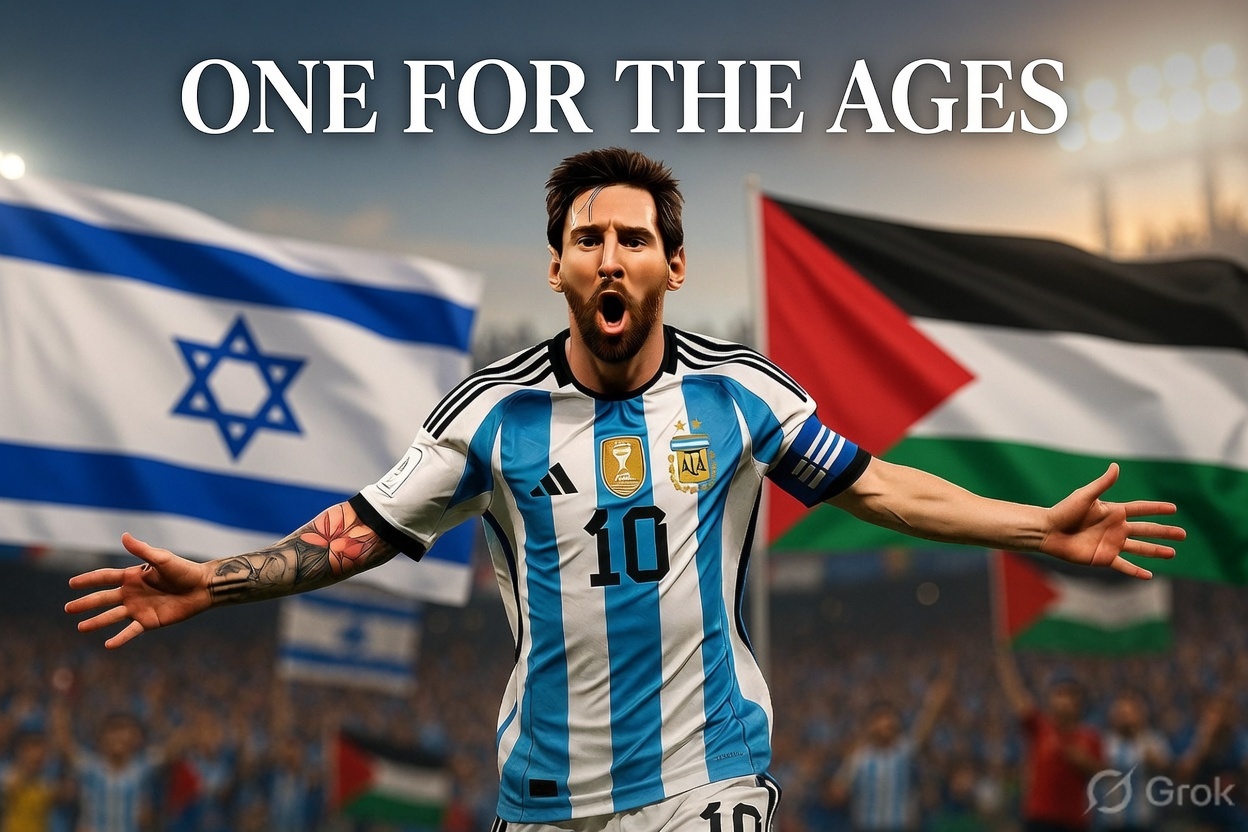
Cristiano Ronaldo has been my guy ever since I was old enough to pick a side in football. For years, I’ve said openly that referees have tended to be more lenient with Messi than they ever were with him. That’s why it means something when I tell you straight, Argentina’s 3-2 comeback against Egypt in the Round of 16 was earned on the pitch, not handed to them. The loudest claims that the tournament is being steered toward Messi don’t actually tell us much about Tuesday’s match. They tell us something older about football itself. The sport has never once managed to exist in a vacuum, untouched by everything else happening around it.
The Comeback
Egypt controlled the game for most of the first hour and kept Argentina pinned back. Yasser Ibrahim gave them the lead with a header in the 15th minute, and their goalkeeper Shobeir then saved a penalty from Messi. Egypt continued to threaten, and Zico thought he had made it 2-0 shortly after, only for VAR to rule the goal out after spotting a foul on Lisandro Martínez during the buildup. He eventually found the net in the 67th minute to put Egypt two goals ahead. With just eleven minutes remaining, Argentina looked like they were heading out. But then everything changed. Romero headed in from a Messi cross in the 79th minute, Messi equalised four minutes later, and Enzo Fernández nodded in the winner from close range deep into stoppage time. In the space of thirteen minutes, Argentina scored three times and turned the game completely around. It was one of those nights you don’t forget in a hurry.
The Officiating, on Its Own Terms
Egypt coach Hossam Hassan didn’t hold back after the final whistle. ‘We have been treated unfairly today. We have suffered injustice,’ he said. He felt Julián Álvarez should have been penalised for catching Mohamed Salah inside the box, claimed Alexis Mac Allister had pulled back Hamdi Fathy in a similar area, and believed there was also an unpunished foul in the buildup to Messi’s equaliser. Hassan went as far as suggesting the tournament was being nudged to keep Messi and Argentina in it.
He wasn’t entirely wrong that some of those moments deserved closer inspection. However, the decision to disallow Zico’s goal wasn’t some random call. VAR checked the entire attacking phase leading up to it, which is the standard protocol used across this tournament. That rule applies to everyone, not just Egypt. A disallowed goal and a couple of penalty shouts waved away in a frantic final period don’t point to a pattern of bias. It’s the kind of thing that happens in high-intensity, end-to-end knockout matches where fouls and messy challenges come thick and fast. These marginal decisions go against eventual winners just as often as they do against teams that go out.
Football Has Never Been Left Alone
What’s worth paying attention to is that this match carried its own layer of politics, and it didn’t need to be manufactured. After Egypt’s win over Australia in the previous round, Hassan came out wearing a Palestinian flag. During Tuesday’s game, some fans in the Atlanta stands responded by waving an Israeli flag in the direction of the Egyptian bench. This happened in front of a packed stadium, completely separate from anything the referee did on the pitch.
This kind of thing isn’t unusual in football. Every Russian club and national team has been banned from FIFA and UEFA competitions since the two bodies released a joint statement in February 2022, and UEFA recently confirmed that suspension will remain in place for the 2026-27 season as well. It’s not symbolic; it’s the game’s two biggest governing bodies openly saying that football cannot continue as normal while a war is going on. The sport has never been the isolated, neutral bubble it sometimes claims to be. It gets sanctioned, boycotted, and, as we saw on Tuesday, directly pulled into real-world conflicts whether the referee’s whistle is involved or not.
What was noticeable in the reaction afterwards was how fast the refereeing debate moved beyond normal football discussion for many people.
A large part of the loudest claims that the tournament was being steered toward Messi didn’t stay within regular post-match analysis. Much of that noise came from commentators and influencers who have long looked at Messi through the lens of his visits to Israel, including the 2013 Barcelona peace tour where he visited the ‘Western Wall’, and his decision not to speak out on the Palestinian issue.
For them, every marginal decision that went against Egypt was quickly turned into proof of a bigger pattern of favouritism, rather than being seen as part of one intense, high-stakes knockout game. The on-field controversy became another place where older communal and political tensions could surface again.
A Ronaldo Fan’s Final Word
Hassan’s frustration is understandable, but it comes mostly from the fact that Egypt were eliminated rather than from any clear or repeated injustice. Egypt weren’t the better side over the full match, Argentina had the majority of possession and created the decisive chances once they got going. What Egypt did manage was to frustrate Argentina for long periods and force them to chase the game. Yet in those final thirteen minutes, Argentina produced something that stood out: a comeback driven by sheer refusal to accept defeat. Scoring three goals from two down, against a team that had been on top for most of the night, took real belief and aggression. That kind of turnaround is what turns a match into something people remember for a long time.
Ronaldo is still the one I support. But credit where it’s due, that was one of the great World Cup nights, won fairly on the pitch, in a sport where politics has always found a way to sit right next to it.