The United States encouraged widespread planting of Russian olive trees during the 1900s to create windbreaks and wildlife habitat, but the trees spread along western rivers, replacing native cottonwood forests and altering bird communities
Russian olive trees were planted to protect western farms from harsh winds and soil erosion. This hardy Eurasian species spread rapidly beyond its intended agricultural boundaries. The invasive trees now outcompete native plants and alter local riverbank forest structures. This ecological change negatively impacts bird communities and the entire food web. Modern efforts focus on removing these trees and restoring native vegetation.
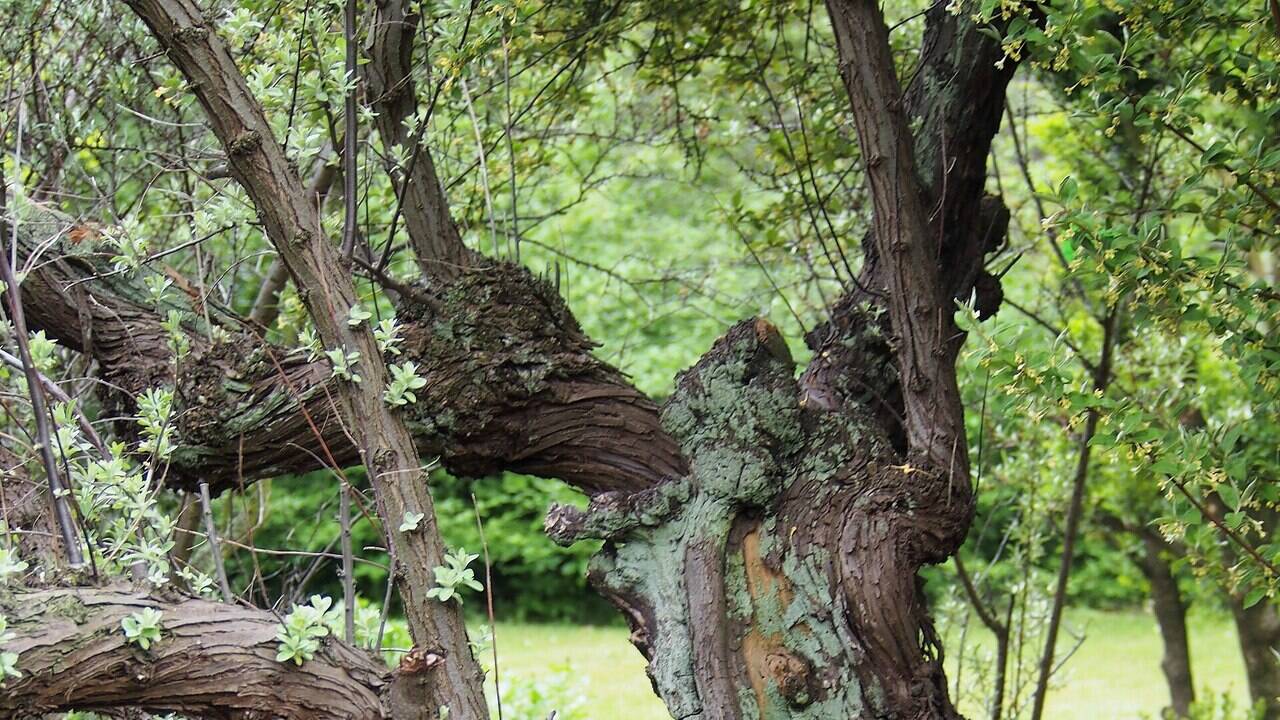
Russian olive trees were planted to protect western farms from harsh winds and soil erosion. This hardy Eurasian species spread rapidly beyond its intended agricultural boundaries. The invasive trees now outcompete native plants and alter local riverbank forest structures. This ecological change negatively impacts bird communities and the entire food web. Modern efforts focus on removing these trees and restoring native vegetation.