Researchers made flying harder for Alaskan seabirds by clipping some wing and tail feathers; only 67% returned the next year, but the survivors were more likely to breed successfully
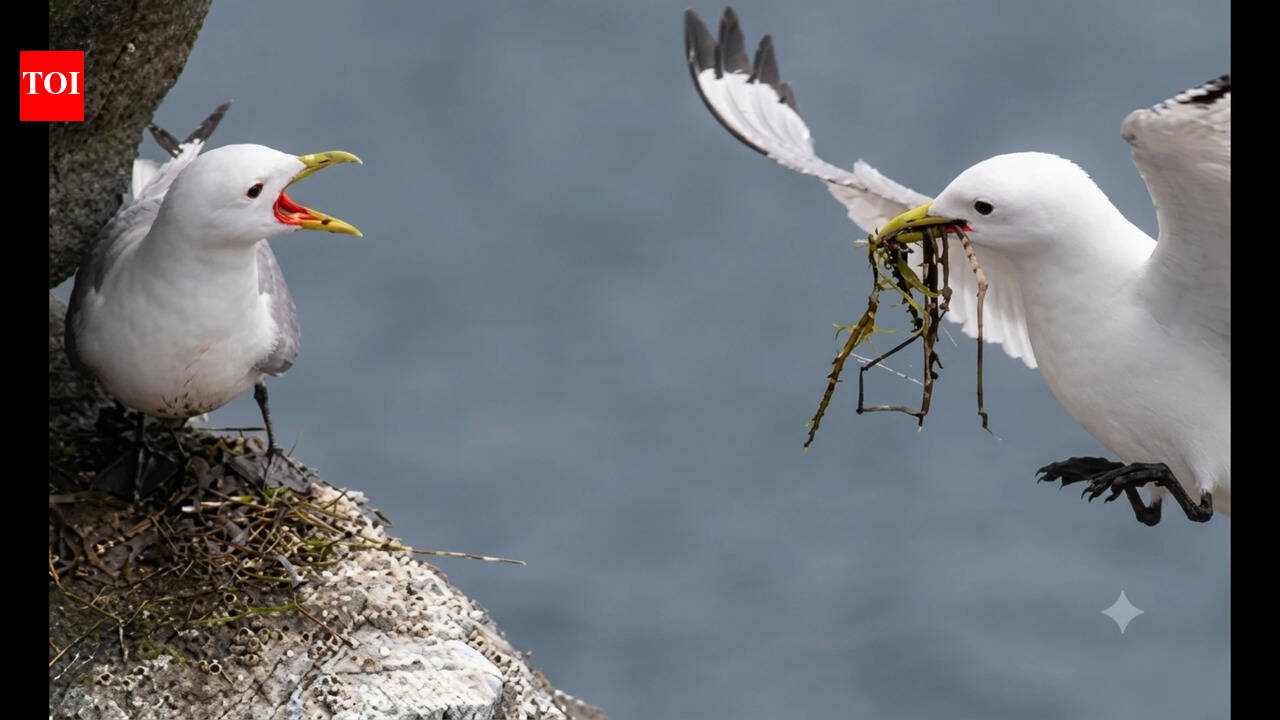
Researchers clipped a few wing and tail feathers of wild black-legged kittiwakes in Alaska to make flying more energy-intensive and tracked them for several years. The birds struggled to raise chicks during that breeding season, and fewer survived to return the next year. However, those that did return migrated farther and were more likely to breed successfully, showing how energy spent in one season can affect the next.
Researchers clipped a few wing and tail feathers of wild black-legged kittiwakes in Alaska to make flying more energy-intensive and tracked them for several years. The birds struggled to raise chicks during that breeding season, and fewer survived to return the next year. However, those that did return migrated farther and were more likely to breed successfully, showing how energy spent in one season can affect the next.