‘Isko batana hai… anjaam kya hota hai’: Bombay HC denies bail to Yusuf Khan, accused in Umesh Kolhe’s murder, says killing was ‘meant to strike terror’
On 20th January, the Bombay High Court denied bail to Yusuf Khan, the veterinary doctor accused of killing Amravati-based chemist Umesh Kolhe in 2022. Kolhe was killed for posting a message on WhatsApp in support of former Bharatiya Janata Party (BJP) spokesperson Nupur Sharma. While denying bail, the court stated that prima facie the accused had formed a terrorist gang to avenge what they perceived as dishonour to their faith, following the statement of Nupur Sharma, and to instil fear among the general public. A division bench comprising Justice A S Gadkari and Justice Shyam C Chandak held that the materials placed by the National Investigation Agency (NIA) demonstrated more than a mere criminal conspiracy or an isolated act of violence. The court observed that the nature of the offence, the manner in which it was planned, and the intent behind the murder go to the very core of social order and collective conscience. Thus, the continued detention of the accused was legally justified under the Unlawful Activities Prevention Act (UAPA). Khan’s advocate argued that his actions were limited to a business dispute. However, the court rejected the argument and noted that the alleged conduct, when read in its entirety, showed deliberate instigation, calculated exposure of the victim, and participation in a chain of events that resulted in a brutal murder designed to send a wider message of fear. The murder of Umesh Kolhe and the context of the social media post Umesh Kolhe was a veterinary medical shop owner in Amravati, Maharashtra. He was murdered on the night of 21st June 2022 while returning home after closing his shop. Kolhe was killed in the backdrop of violence led by Islamists over Sharma’s remarks during a debate on New Channel, which she made in response to derogatory remarks by Muslim panellist Tasleem Rehmani against Hindu Gods. According to the prosecution, Kolhe had shared a photograph of Sharma along with a message supporting her remarks in a WhatsApp group on 14th June 2022. He was among a small group of individuals who publicly expressed support for Sharma. Others were threatened and pressured to issue an apology. The court noted that several individuals who had posted similar messages were coerced into apologising. Kolhe, however, was not asked to retract or apologise. Instead, the court found that he was specifically selected as a target. This was a factor that weighed heavily in assessing the motive and intent behind the crime. The prosecution argued that the murder was not a spontaneous act, but the outcome of an escalating reaction to Kolhe’s social media activity in an already volatile environment. Yusuf Khan’s role and why the court rejected the ‘business rivalry’ defence The court did not treat Yusuf Khan as a peripheral or accidental link in the chain of events that led to Kolhe’s murder. Khan, who is a veterinary doctor, was personally acquainted with Kolhe and regularly purchased medicines from his shop. Both were members of a WhatsApp group named Black Freedom that included veterinary chemists and medical representatives. Khan was the only Muslim member in that group. The court noted that Khan claimed to have been offended by Kolhe’s post, which he published in favour of Nupur Sharma. His defence was that he merely intended to persuade others to stop doing business with Kolhe so that his earnings would be affected. However, after examining the material that was placed on record, the High Court rejected the claim as implausible and inconsistent with Khan’s conduct. The court noted that if the intention was just to boycott his business, the message would have been drafted and circulated only among Kolhe’s customers. However, Khan circulated the post widely, including in other WhatsApp groups and to individuals who had no business relationship with the deceased. The court held that his actions demonstrated that the objective was not limited to economic pressure but to provocation and exposure, designed to trigger anger and retaliation against Kolhe. The court also noted that Khan was a literate and professionally qualified individual who was fully capable of understanding the fragile social atmosphere that was prevailing in the country at that time. Despite this, Khan chose to circulate an instigating message rather than deescalating the situation. It was Khan’s conscious choice, which weighed heavily against him at the stage of bail. The WhatsApp message, altered phone number, and how intent was inferred One of the most critical aspects of the judgment relates to the WhatsApp messages circulated by Khan after Kolhe shared the post. The court noted that before taking the screenshot of the message that Kolhe posted, Khan deliberately altered the second last digit of Kolhe’s mobile number in his contact list and then resaved it. This ensured that Kolhe’s identity and contact details were exposed to a wider audience. Khan then added an instigati
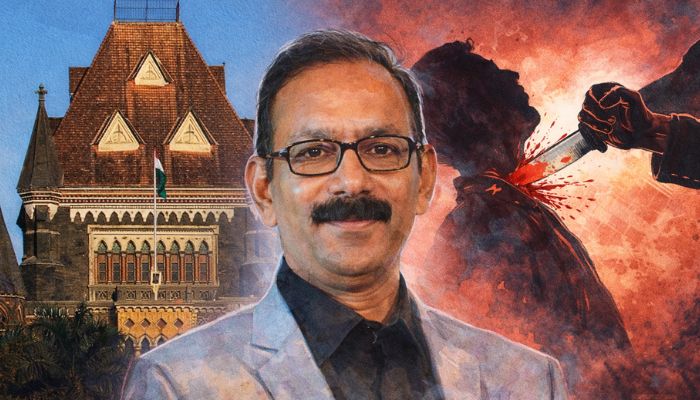

On 20th January, the Bombay High Court denied bail to Yusuf Khan, the veterinary doctor accused of killing Amravati-based chemist Umesh Kolhe in 2022. Kolhe was killed for posting a message on WhatsApp in support of former Bharatiya Janata Party (BJP) spokesperson Nupur Sharma. While denying bail, the court stated that prima facie the accused had formed a terrorist gang to avenge what they perceived as dishonour to their faith, following the statement of Nupur Sharma, and to instil fear among the general public.
A division bench comprising Justice A S Gadkari and Justice Shyam C Chandak held that the materials placed by the National Investigation Agency (NIA) demonstrated more than a mere criminal conspiracy or an isolated act of violence. The court observed that the nature of the offence, the manner in which it was planned, and the intent behind the murder go to the very core of social order and collective conscience. Thus, the continued detention of the accused was legally justified under the Unlawful Activities Prevention Act (UAPA).
Khan’s advocate argued that his actions were limited to a business dispute. However, the court rejected the argument and noted that the alleged conduct, when read in its entirety, showed deliberate instigation, calculated exposure of the victim, and participation in a chain of events that resulted in a brutal murder designed to send a wider message of fear.
The murder of Umesh Kolhe and the context of the social media post
Umesh Kolhe was a veterinary medical shop owner in Amravati, Maharashtra. He was murdered on the night of 21st June 2022 while returning home after closing his shop. Kolhe was killed in the backdrop of violence led by Islamists over Sharma’s remarks during a debate on New Channel, which she made in response to derogatory remarks by Muslim panellist Tasleem Rehmani against Hindu Gods.
According to the prosecution, Kolhe had shared a photograph of Sharma along with a message supporting her remarks in a WhatsApp group on 14th June 2022. He was among a small group of individuals who publicly expressed support for Sharma. Others were threatened and pressured to issue an apology.
The court noted that several individuals who had posted similar messages were coerced into apologising. Kolhe, however, was not asked to retract or apologise. Instead, the court found that he was specifically selected as a target. This was a factor that weighed heavily in assessing the motive and intent behind the crime.
The prosecution argued that the murder was not a spontaneous act, but the outcome of an escalating reaction to Kolhe’s social media activity in an already volatile environment.
Yusuf Khan’s role and why the court rejected the ‘business rivalry’ defence
The court did not treat Yusuf Khan as a peripheral or accidental link in the chain of events that led to Kolhe’s murder. Khan, who is a veterinary doctor, was personally acquainted with Kolhe and regularly purchased medicines from his shop. Both were members of a WhatsApp group named Black Freedom that included veterinary chemists and medical representatives. Khan was the only Muslim member in that group.
The court noted that Khan claimed to have been offended by Kolhe’s post, which he published in favour of Nupur Sharma. His defence was that he merely intended to persuade others to stop doing business with Kolhe so that his earnings would be affected. However, after examining the material that was placed on record, the High Court rejected the claim as implausible and inconsistent with Khan’s conduct.
The court noted that if the intention was just to boycott his business, the message would have been drafted and circulated only among Kolhe’s customers. However, Khan circulated the post widely, including in other WhatsApp groups and to individuals who had no business relationship with the deceased. The court held that his actions demonstrated that the objective was not limited to economic pressure but to provocation and exposure, designed to trigger anger and retaliation against Kolhe.
The court also noted that Khan was a literate and professionally qualified individual who was fully capable of understanding the fragile social atmosphere that was prevailing in the country at that time. Despite this, Khan chose to circulate an instigating message rather than deescalating the situation. It was Khan’s conscious choice, which weighed heavily against him at the stage of bail.
The WhatsApp message, altered phone number, and how intent was inferred
One of the most critical aspects of the judgment relates to the WhatsApp messages circulated by Khan after Kolhe shared the post. The court noted that before taking the screenshot of the message that Kolhe posted, Khan deliberately altered the second last digit of Kolhe’s mobile number in his contact list and then resaved it. This ensured that Kolhe’s identity and contact details were exposed to a wider audience.
Khan then added an instigating message in Hindi urging recipients to show Kolhe the consequences of “betraying those who gave him business” and to forward the message as widely as possible across groups. The message read, “Amit Medical Prabhat Takiz Tehsil ke Samane isko batana hain ke jin logon ke bharose kamai ki unse hi dushmani ka anjam kya hota hai, is message ko zyada se zyada group or gore walo ko send kare.”
The court stated that the wording of the message was crafted to provoke anger and immediate action. The court rejected the argument that the phraseology merely indicated a boycott and observed that references to groups and wide circulation pointed towards an intent to incite retaliation rather than commercial pressure.
The court further noted that Khan did not merely forward the message once. He circulated it across platforms and followed it up by meeting another accused shortly thereafter. According to the court, this sequence showed a clear progression from instigation to conspiracy, rather than an isolated emotional reaction.
The judgment further records that Khan did not merely forward the message once. He circulated it across platforms and followed it up by meeting another accused, identified as Accused No 5, shortly thereafter. This sequence, according to the court, showed a clear progression from instigation to conspiracy, rather than an isolated emotional reaction.
Phone records, meetings, and the court’s finding of covert participation
A decisive factor in the court’s refusal to grant bail was the pattern of communication between Yusuf Khan and Accused No 5. The court noted that they exchanged 25 phone calls before and after Kolhe’s murder. These calls, when read alongside witness statements and location data, were treated as strong circumstantial evidence that Khan was involved in the conspiracy to kill Kolhe.
The prosecution argued that Accused No 5 acted as a conduit between Khan and the other accused. While Khan was not physically present at every meeting where the murder was planned, such absence does not absolve a conspirator of liability. The bench observed that direct participation at every stage is neither necessary nor expected.
The court further noted that Khan’s mobile location placed him near Roshan Hall on 9th June 2022. A meeting was held at that location to discuss filing an FIR against Sharma’s remarks. This, coupled with the timing of his communications and subsequent meetings involving co-accused, reinforced the inference that Khan was part of the larger plan from its early stages.
The bench remarked that Khan appeared to have deliberately distanced himself from the execution phase of the crime after igniting the anger through his message. The court said his actions suggested that he remained “quietly active behind the curtain” and ensured that the conspiracy progressed while attempting to insulate himself from direct involvement in the murder.
How the conspiracy was judicially reconstructed
The conspiracy was reconstructed through a sequence of events rather than isolated incidents. According to the prosecution, prima facie Khan’s instigating message marked the starting point. Soon after, he met Accused No 5, who was equally offended by Kolhe’s post.
After the meeting, Accused No 5 met other accused persons at Gausiya Hall. At that meeting, the issue of Umesh Kolhe’s social media post was discussed in detail. The court noted that on 19th June 2022, a meeting involving Accused Nos 4, 5, 7, and 11 led to a decision that Kolhe should be killed as punishment for allegedly dishonouring their faith. The manner of the murder, by targeting the neck with a sharp weapon, was also discussed.
An initial attempt to carry out the murder on 20th June failed because Kolhe’s shop was closed. The following night, after a recce was conducted by other accused, Kolhe was intercepted while returning home and stabbed in the neck, resulting in his death.
The High Court emphasised that conspiracy need not be proved through direct evidence. What is required is a meeting of minds, which can be inferred from conduct, communication patterns, and surrounding circumstances. In Khan’s case, the court held that the cumulative material on record was sufficient to establish such a meeting of minds at the prima facie stage.
‘Terrorist gang’ and why UAPA was upheld
The High Court’s characterisation of the accused group as a terrorist gang is one of the most consequential findings. The bench held that the murder of Kolhe was not confined to personal revenge or a localised dispute. It was intended to strike terror in the hearts and minds of the general public, irrespective of whether they supported Sharma’s remarks or not.
The court said, “Considering the material on record, prima facie it appears that a terrorist gang was formed by the accused persons under the leadership of A-7 to avenge the alleged dishonour of their faith by the deceased, by brutally killing him and to strike terror into the hearts and minds of general public irrespective of whether they supported the spokesperson’s comment or not.”
The court observed that the killing was designed to send a message that public support for certain views would invite violent retribution. This wider objective, it held, brought the offence squarely within the ambit of Sections 16, 18, and 20 of UAPA.
While rejecting the defence argument that UAPA was being misapplied, the court reiterated that at the stage of bail, the court is required to examine whether the accusations are prima facie true, not whether they will ultimately result in conviction. The court held that the materials placed by the NIA established reasonable grounds to believe that Khan was involved in a terrorist conspiracy. The court said that the seriousness of the offence and its impact on societal security outweighed arguments relating to prolonged incarceration or delay in trial.
Why the court refused to extend Article 21 relief at the bail stage
Khan’s counsel argued that his continued incarceration for over 3.5 years amounted to pre-trial punishment, which violates Article 21 of the Constitution of India. Though the court acknowledged the general principle that prolonged detention can justify bail, it held that this safeguard cannot be mechanically applied in cases involving terror offences supported by strong prima facie material.
The court distinguished cases where bail was granted due to weak probative value of evidence and held that the present case was supported by consistent, corroborative material independent of extra judicial confessions. The court concluded that releasing Khan at this stage would be contrary to the statutory mandate under UAPA and the broader interest of public safety.
Conclusion
In its order dismissing Yusuf Khan’s bail, the Bombay High Court sent a strong message on how ideologically motivated violence, even when triggered through digital instigation, will be judicially assessed. The court made it clear that targeted killings carried out to punish speech and to intimidate society at large cannot be diluted into claims of personal grievance or business rivalry.
The court held that conspiracies need not be loud or visible at every stage. Participation, the bench held, can be covert, calculated, and deliberately distanced from the final act, without losing criminal liability.
Furthermore, the judgment reinforced that when violence is intended to create fear beyond the immediate victim and to silence others through terror, the threshold of the UAPA is crossed. The refusal of Khan’s bail was not punitive but a necessary consequence of the gravity of the offence and the prima facie material on record.