In 1979, a Wisconsin farmer saved a giant bone that led archaeologists to a butchered mammoth
John Hebior's decision to preserve an unusual bone found on his farm in 1979 led to significant archaeological excavations. Recognized in the 1990s as mammoth-like, the site revealed stone tools and butchering evidence, suggesting human activity around 14,500 years ago. This discovery provided crucial evidence for early human presence in North America, predating the traditional Clovis reference point.
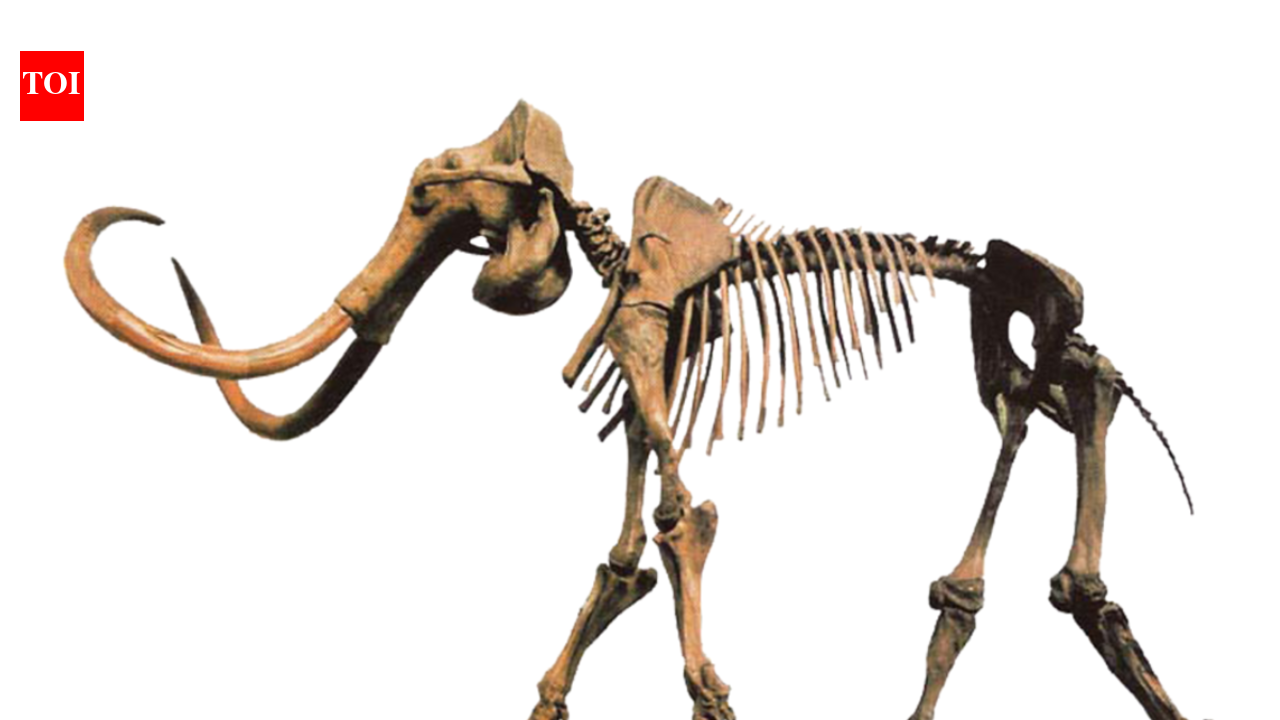
John Hebior's decision to preserve an unusual bone found on his farm in 1979 led to significant archaeological excavations. Recognized in the 1990s as mammoth-like, the site revealed stone tools and butchering evidence, suggesting human activity around 14,500 years ago. This discovery provided crucial evidence for early human presence in North America, predating the traditional Clovis reference point.