In 1876, a thorny tree was introduced to India to fight drought, more than a century later, Prosopis Juliflora still divides conservationists
Introduced in 1876, Prosopis juliflora aimed to combat colonial famines and droughts across India. This thorny tree species thrived in arid soils, providing fuelwood and fodder for many. However, it has become invasive, degrading groundwater and hindering grazing lands. Research indicates it replaced native plants, contributing to desertification control initially. The species remains a contentious issue for conservationists and local communities today.
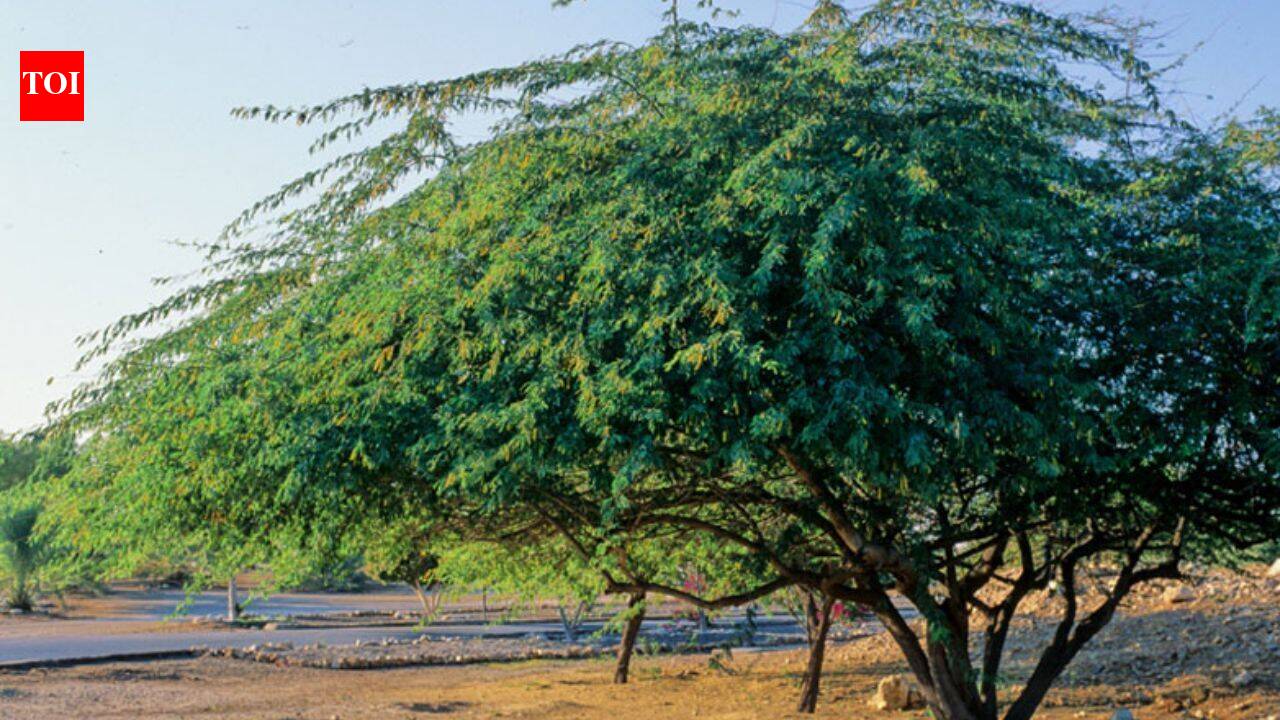
Introduced in 1876, Prosopis juliflora aimed to combat colonial famines and droughts across India. This thorny tree species thrived in arid soils, providing fuelwood and fodder for many. However, it has become invasive, degrading groundwater and hindering grazing lands. Research indicates it replaced native plants, contributing to desertification control initially. The species remains a contentious issue for conservationists and local communities today.