From BrahMos and Astra Mk1 deals to Sabang Port cooperation: How PM Modi’s Indonesia visit advances India’s strategic and defence interests
Prime Minister Narendra Modi is in Indonesia on an official visit. PM Modi’s visit is advancing major defence deals, continuing the momentum gained by Indian defence exports since Operation Sindoor. Indonesia is set to sign an agreement with India for phased procurement of BrahMos supersonic cruise missiles. Indonesia will become the first country to import India’s indigenous Astra Mk1 beyond-visual-range air-to-air missile (BVRAAM). India and Indonesia have given a nod for an air-to-air missile (AAM) procurement agreement between Bharat Dynamics Limited (BDL) and Republikorp. India signs MoU with Indonesia on Brahmos and Astra missileIndonesia will purchase India's Astra Missile which is air to air missile which showed the world its capabilities during Operation Sindoor. pic.twitter.com/7wWUpyBAAB— Ankur Singh (@AnkurSingh) July 7, 2026 DRDO-developed Astra Mk1 goes international as India and Indonesia bolster defence ties The Astra Mk1 has been indigenously designed and developed by the Defence Research and Development Organisation (DRDO), catering for both Beyond Visual Range and Close Combat Engagement. With the Astra Mk1, Indonesia gets a modern, active-radar-guided BVRAAM for air superiority, compatible with its fighter jets. The Indian BVRAAM offers a cost-effective, reliable, and battle-tested alternative to expensive Western suppliers. BIG BREAKING Indonesia to be first foreign customer of India’s Astra Mk1 air-to-air missile. Deal to be discussed during PM @NarendraModi’s ongoing visit. pic.twitter.com/a73eD63gpX— Shiv Aroor (@ShivAroor) July 7, 2026 Astra Mk1 has been integrated with platforms like Su-30MKI and Tejas; the fully indigenously developed BVRAAM is combat-proven. It has a range of 110 km in head-on mode, with post-Operation Sindoor optimisation pushing effective range toward around 160 km in certain conditions. Astra Mk1 has a speed of up to Mach 4.5, with a 15kg high-explosive pre-fragmented wita h laser proximity fuse. The BVRAAM comes with mid-course inertial navigation and terminal active radar homing, making it fire-and-forget capable and resistant to electronic countermeasures. The Indian BVRAAM’s other features include a solid-fuel motor, high off-boresight launch capability, operating up to 20 km altitude, handling high-g manoeuvres, and smokeless propellant. Indonesia will also be buying the BrahMos supersonic missile, jointly developed by India and Russia. BrahMos is a long-range supersonic cruise missile. It is an unmanned payload rocket that has a warhead, precision-guided weaponry, an aerodynamic frame, a propulsion system and a guidance system. It is renowned for its exceptional accuracy. BrahMos has a solid propellant booster engine and is a two-stage missile. Its initial phase accelerates the missile over the speed of sound, or supersonic speed, before it separates. The BrahMos missile was utilised in strikes against Pakistan during Operation Sindoor. While India is securing a massive boost for export of its indigenous weaponry and “Make in India” credibility, Indonesia gets a reliable and non-aligned partner in India for modernisation of its forces, and advanced weaponry to secure sea lanes and sovereignty amidst a volatile global geopolitical scenario. India is bolstering the Comprehensive Strategic Partnership with Indonesia, a key ASEAN and Indo-Pacific ally. New Delhi’s deepening partnership with Indonesia advances India’s Act East policy, forming a de facto BrahMos belt, and a direct counter to Chinese assertiveness. Besides exporting weaponry, India will also cooperate with Indonesia for the development of Sabang Port. This port’s strategic location holds immense significance as Sabang Port is located near the Strait of Malacca and around 100 miles from India’s Great Nicobar port project. India-Indonesia cooperation in this direction would enhance regional security and maritime connectivity. India’s defence exports skyrocket after Operation Sindoor In response to the Pakistan-backed Islamic terror attack in Pahalgam, India launched Operation Sindoor, involving targeted missile and drone strikes of Pakistani terror infrastructure linked to Jaish-e-Mohammed and Lashkar-e-Taiba in Pakistan and PoK. A combination of BrahMos, Astra Mk1, Akashteer ADS, and other indigenous missiles and air defence systems proved successful in both launching attacks against Pakistan and in defending India from the hostile neighbour’s retaliation. India’s victory over Pakistan significantly boosted global confidence in Indian weaponry. For FY 2024-25, India’s defence export figures stood at ₹23,622 crore; however, FY 2025-26 registered a 62% jump, with the numbers skyrocketing to ₹38,424 crore. India has now expanded its defence exports network to over 80 to 100 countries. In addition to Indonesia, India is also in talks with Vietnam and the Philippines for the sale of BrahMos missiles. The BrahMos package for Vietnam is estimated
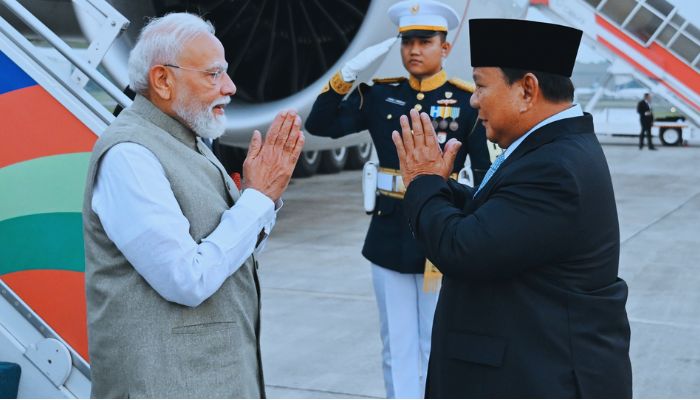
Prime Minister Narendra Modi is in Indonesia on an official visit. PM Modi’s visit is advancing major defence deals, continuing the momentum gained by Indian defence exports since Operation Sindoor. Indonesia is set to sign an agreement with India for phased procurement of BrahMos supersonic cruise missiles. Indonesia will become the first country to import India’s indigenous Astra Mk1 beyond-visual-range air-to-air missile (BVRAAM). India and Indonesia have given a nod for an air-to-air missile (AAM) procurement agreement between Bharat Dynamics Limited (BDL) and Republikorp.
India signs MoU with Indonesia on Brahmos and Astra missileIndonesia will purchase India's Astra Missile which is air to air missile which showed the world its capabilities during Operation Sindoor. pic.twitter.com/7wWUpyBAAB— Ankur Singh (@AnkurSingh) July 7, 2026
DRDO-developed Astra Mk1 goes international as India and Indonesia bolster defence ties
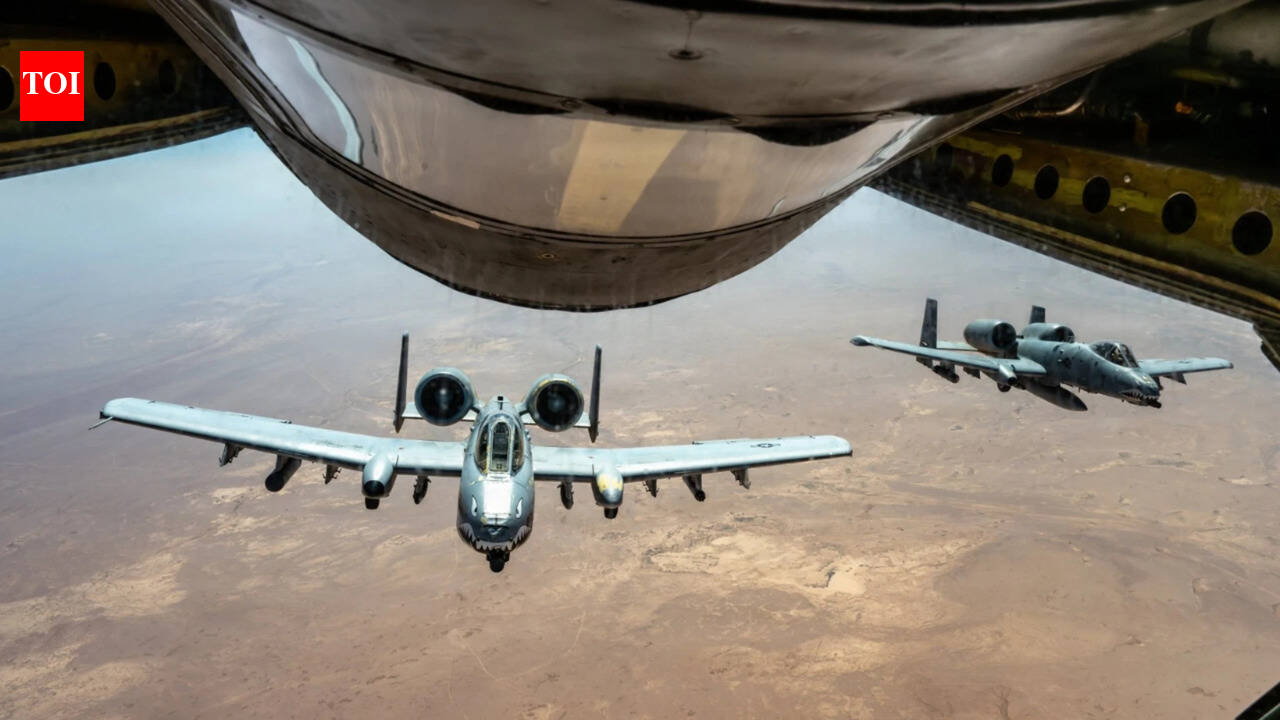
The Astra Mk1 has been indigenously designed and developed by the Defence Research and Development Organisation (DRDO), catering for both Beyond Visual Range and Close Combat Engagement. With the Astra Mk1, Indonesia gets a modern, active-radar-guided BVRAAM for air superiority, compatible with its fighter jets. The Indian BVRAAM offers a cost-effective, reliable, and battle-tested alternative to expensive Western suppliers.
BIG BREAKING Indonesia to be first foreign customer of India’s Astra Mk1 air-to-air missile. Deal to be discussed during PM @NarendraModi’s ongoing visit. pic.twitter.com/a73eD63gpX— Shiv Aroor (@ShivAroor) July 7, 2026
Astra Mk1 has been integrated with platforms like Su-30MKI and Tejas; the fully indigenously developed BVRAAM is combat-proven. It has a range of 110 km in head-on mode, with post-Operation Sindoor optimisation pushing effective range toward around 160 km in certain conditions. Astra Mk1 has a speed of up to Mach 4.5, with a 15kg high-explosive pre-fragmented wita h laser proximity fuse. The BVRAAM comes with mid-course inertial navigation and terminal active radar homing, making it fire-and-forget capable and resistant to electronic countermeasures.
The Indian BVRAAM’s other features include a solid-fuel motor, high off-boresight launch capability, operating up to 20 km altitude, handling high-g manoeuvres, and smokeless propellant.
Indonesia will also be buying the BrahMos supersonic missile, jointly developed by India and Russia. BrahMos is a long-range supersonic cruise missile. It is an unmanned payload rocket that has a warhead, precision-guided weaponry, an aerodynamic frame, a propulsion system and a guidance system. It is renowned for its exceptional accuracy. BrahMos has a solid propellant booster engine and is a two-stage missile. Its initial phase accelerates the missile over the speed of sound, or supersonic speed, before it separates. The BrahMos missile was utilised in strikes against Pakistan during Operation Sindoor.
While India is securing a massive boost for export of its indigenous weaponry and “Make in India” credibility, Indonesia gets a reliable and non-aligned partner in India for modernisation of its forces, and advanced weaponry to secure sea lanes and sovereignty amidst a volatile global geopolitical scenario.
India is bolstering the Comprehensive Strategic Partnership with Indonesia, a key ASEAN and Indo-Pacific ally. New Delhi’s deepening partnership with Indonesia advances India’s Act East policy, forming a de facto BrahMos belt, and a direct counter to Chinese assertiveness.
Besides exporting weaponry, India will also cooperate with Indonesia for the development of Sabang Port. This port’s strategic location holds immense significance as Sabang Port is located near the Strait of Malacca and around 100 miles from India’s Great Nicobar port project. India-Indonesia cooperation in this direction would enhance regional security and maritime connectivity.
India’s defence exports skyrocket after Operation Sindoor
In response to the Pakistan-backed Islamic terror attack in Pahalgam, India launched Operation Sindoor, involving targeted missile and drone strikes of Pakistani terror infrastructure linked to Jaish-e-Mohammed and Lashkar-e-Taiba in Pakistan and PoK. A combination of BrahMos, Astra Mk1, Akashteer ADS, and other indigenous missiles and air defence systems proved successful in both launching attacks against Pakistan and in defending India from the hostile neighbour’s retaliation.
India’s victory over Pakistan significantly boosted global confidence in Indian weaponry. For FY 2024-25, India’s defence export figures stood at ₹23,622 crore; however, FY 2025-26 registered a 62% jump, with the numbers skyrocketing to ₹38,424 crore.
India has now expanded its defence exports network to over 80 to 100 countries.
In addition to Indonesia, India is also in talks with Vietnam and the Philippines for the sale of BrahMos missiles. The BrahMos package for Vietnam is estimated to be worth around Rs 6,000 crore (approximately $629 million) and is expected to include missile systems, training and logistical support.
Before Vietnam, the Philippines became the first foreign customer of the Indo-Russian co-developed BrahMos missile system. Manila received the first batch of missiles in 2024, followed by a second delivery in April 2025, showcasing India’s growing ability to fulfil large-scale defence export commitments.
Meanwhile, the United Arab Emirates (UAE) is also reported to be in talks with India for the purchase of BrahMos missiles and other flagship air defence systems, including Akashteer.
India has supplied Pinaka multi-barrel rocket launchers, 155mm ATAGS towed howitzers, and MArG 155 self-propelled guns, Akash-1S surface-to-air missile systems, anti-tank missiles, surveillance radars and anti-drone systems.
Overall, Prime Minister Modi’s Indonesia visit marks yet another milestone in India’s emergence as a strong and credible defence exporter and top strategic Indo-Pacific player. With its wide range of combat-proven weapons, India is accelerating export deals with partner countries, and is aiming for over ₹50,000 crore in exports by 2029.