Anti-Paper Leak Bill: Opposition demands accountability, reforms, but paralyses Parliament
The political opposition in India has stopped believing in agitating for accountability but causing disruptions merely for the sake of targeting the ruling dispensation. On 27th July 2026, both Houses of Parliament, Lok Sabha and Rajya Sabha, were adjourned till noon shortly after proceedings commenced. The adjournments followed noisy protests and ruckus by Congress and other opposition MPs over the Delhi Police’s response to the Cockroach Janta Party-led ‘student protests’. The opposition MPs demanded a statement from Union Home Minister Amit Shah on the alleged Delhi Police excesses, including the use of pellet guns, shock batons, lathi charges, and tear gas, against the protests during the CJP-led “Sansad Chalo” march on 20th July. While Lok Sabha Speaker Om Birla repeatedly stressed that the government is set to introduce the Public Examinations (Prevention of Unfair Means) Amendment Bill, popularly referred to as the Anti-paper leak bill, and debate is to be on in Parliament, the opposition MPs continued sloganeering, screeching and causing unwarranted disruption. Similar scenes of performative protest were seen in Rajya Sabha as well. Consequently, both proceedings in both the Houses had to be adjourned. #MonsoonSession2026विपक्ष के भारी हंगामे के चलते लोकसभा की कार्यवाही आज दोपहर 2 बजे तक के लिए स्थगित कर दी गई।Both the Houses of Parliament adjourned till 02 PM.#loksabha #ParliamentSession @LokSabhaSectt @loksabhaspeaker #ParliamentMonsoonSession pic.twitter.com/deulxJZpxh— SansadTV (@sansad_tv) July 27, 2026 In the Lok Sabha, the proceedings began at 11: AM. After some time, when the Speaker tried taking up the Question Hour, the opposition MPs began creating a ruckus. The constant sloganeering and shouting by Opposition MPs forced Speaker Om Birla to adjourn the House first till 12:00 pm, then till 2:00 pm, and extend the adjournment as opposition members disrupted the proceedings again. Rajya Sabha was adjourned till 2:00 PM over the same issue. When the House reassembled after the first adjournment at 12 noon, the opposition again started protesting over the alleged police action on students. Consequently, Chairman C P Radhakrishnan adjourned the House till 3:00 PM. Lok Sabha Speaker Om Birla stated that the Central government and Opposition should come to an agreement till 5 pm, so that discussion on the Anti-leak bill can be started. Birla has said that a dedicated six-hour window for a comprehensive discussion on the Public Examinations Bill would be provided. Opposition seeks accountability, without letting its ultimate forum function The MPs from the INDI Alliance parties are audaciously framing their in-House disruptions as a ‘fight’ for accountability and reforms in the Indian education system. The Opposition claims to seek justice for injured ‘students’, a probe into Delhi Police’s conduct during the CJP protests, and a statement from Home Minister Amit Shah. However, despite the Central government taking a step towards bringing the very reforms that the genuine student protestors demanded- stronger laws against paper leaks, accountability mechanisms, and enhanced exam system credibility- the Opposition is causing obstructions. By continuing to disrupt the House and prevent a debate on the Anti-Paper Leak Bill, despite Dharmendra Pradhan’s resignation and the CJP protest withdrawal, the Opposition parties are essentially blocking the legislation that would operationalise the much-needed systemic reforms. This impasse, however, is being manufactured by the Opposition MPs not out of an outpouring of sympathy for injured ‘students’ but for their own political agenda. Although the Modi government is projecting strength, Prime Minister Narendra Modi is leading the narrative game from the front now; Dharmendra Pradhan’s resignation as Education Minister has set a narrative that the Centre capitulated before young ‘cockroaches’. The Opposition does not want momentum to die without yielding maximum political output for them. Even though the Cockroach Janta Party is an unofficial B-Team of the Aam Aadmi Party, the narrative emerged that the apolitical ‘cockroaches’, the youth of India, were doing the job of the Opposition by aggressively demanding Pradhan’s resignation through street protests. In fact, it was only when the Parliament session neared that prominent anti-BJP MPs like Samajwadi Party’s Dimple Yadav, AAP’s Arvind Kejriwal, Azad Samaj Party’s Chandrashekhar Azad, among others, began flocking to Jantar Mantar. Realising that it has been almost absent and irrelevant in the entire anti-Dharmendra Pradhan agitation, the Congress party launched its parallel protest on 20th July, with Rahul Gandhi leading a march to PM Modi’s residence. The move was Congress’s attempt to hijack the issue and make Rahul Gandhi the hero of the fight he didn’t even participate in until the CJP protests reached their peak. Not to forg
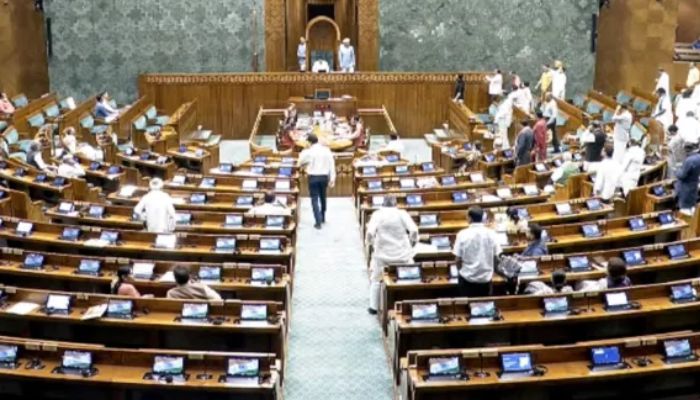
The political opposition in India has stopped believing in agitating for accountability but causing disruptions merely for the sake of targeting the ruling dispensation. On 27th July 2026, both Houses of Parliament, Lok Sabha and Rajya Sabha, were adjourned till noon shortly after proceedings commenced. The adjournments followed noisy protests and ruckus by Congress and other opposition MPs over the Delhi Police’s response to the Cockroach Janta Party-led ‘student protests’.
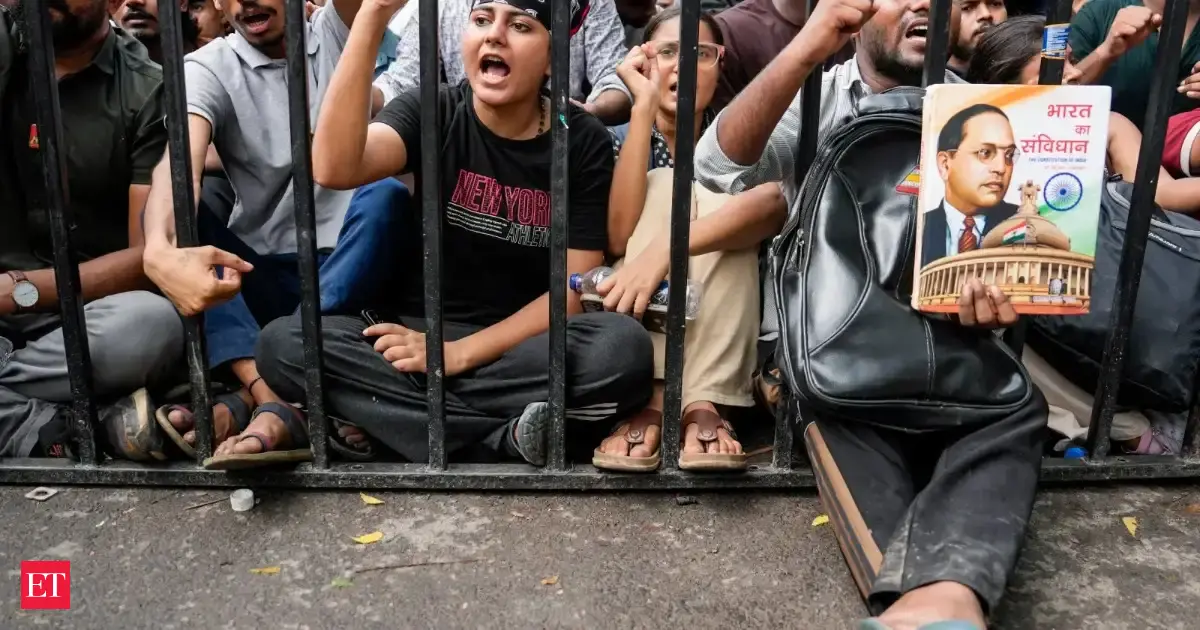
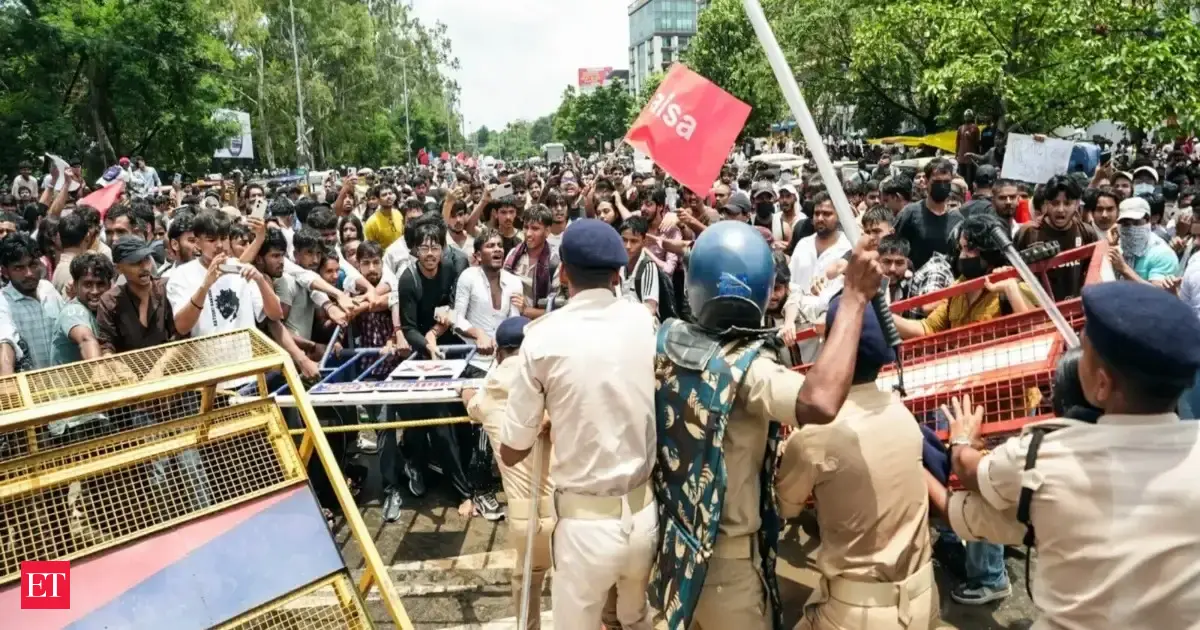
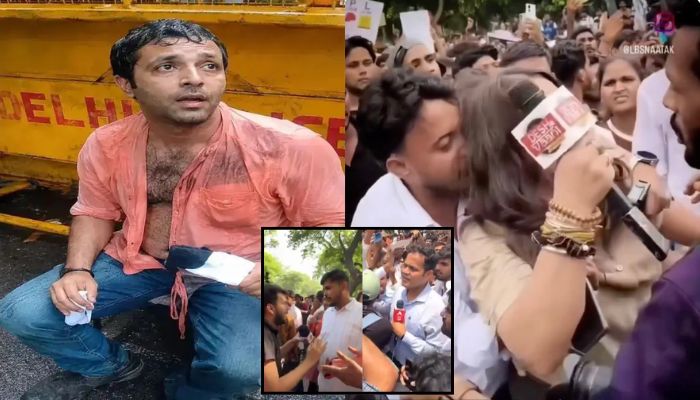
The opposition MPs demanded a statement from Union Home Minister Amit Shah on the alleged Delhi Police excesses, including the use of pellet guns, shock batons, lathi charges, and tear gas, against the protests during the CJP-led “Sansad Chalo” march on 20th July.
While Lok Sabha Speaker Om Birla repeatedly stressed that the government is set to introduce the Public Examinations (Prevention of Unfair Means) Amendment Bill, popularly referred to as the Anti-paper leak bill, and debate is to be on in Parliament, the opposition MPs continued sloganeering, screeching and causing unwarranted disruption.
Similar scenes of performative protest were seen in Rajya Sabha as well.
Consequently, both proceedings in both the Houses had to be adjourned.
#MonsoonSession2026विपक्ष के भारी हंगामे के चलते लोकसभा की कार्यवाही आज दोपहर 2 बजे तक के लिए स्थगित कर दी गई।Both the Houses of Parliament adjourned till 02 PM.#loksabha #ParliamentSession @LokSabhaSectt @loksabhaspeaker #ParliamentMonsoonSession pic.twitter.com/deulxJZpxh— SansadTV (@sansad_tv) July 27, 2026
In the Lok Sabha, the proceedings began at 11: AM. After some time, when the Speaker tried taking up the Question Hour, the opposition MPs began creating a ruckus. The constant sloganeering and shouting by Opposition MPs forced Speaker Om Birla to adjourn the House first till 12:00 pm, then till 2:00 pm, and extend the adjournment as opposition members disrupted the proceedings again.
Rajya Sabha was adjourned till 2:00 PM over the same issue. When the House reassembled after the first adjournment at 12 noon, the opposition again started protesting over the alleged police action on students. Consequently, Chairman C P Radhakrishnan adjourned the House till 3:00 PM.
Lok Sabha Speaker Om Birla stated that the Central government and Opposition should come to an agreement till 5 pm, so that discussion on the Anti-leak bill can be started. Birla has said that a dedicated six-hour window for a comprehensive discussion on the Public Examinations Bill would be provided.
Opposition seeks accountability, without letting its ultimate forum function
The MPs from the INDI Alliance parties are audaciously framing their in-House disruptions as a ‘fight’ for accountability and reforms in the Indian education system. The Opposition claims to seek justice for injured ‘students’, a probe into Delhi Police’s conduct during the CJP protests, and a statement from Home Minister Amit Shah.
However, despite the Central government taking a step towards bringing the very reforms that the genuine student protestors demanded- stronger laws against paper leaks, accountability mechanisms, and enhanced exam system credibility- the Opposition is causing obstructions.
By continuing to disrupt the House and prevent a debate on the Anti-Paper Leak Bill, despite Dharmendra Pradhan’s resignation and the CJP protest withdrawal, the Opposition parties are essentially blocking the legislation that would operationalise the much-needed systemic reforms.
This impasse, however, is being manufactured by the Opposition MPs not out of an outpouring of sympathy for injured ‘students’ but for their own political agenda.
Although the Modi government is projecting strength, Prime Minister Narendra Modi is leading the narrative game from the front now; Dharmendra Pradhan’s resignation as Education Minister has set a narrative that the Centre capitulated before young ‘cockroaches’.
The Opposition does not want momentum to die without yielding maximum political output for them. Even though the Cockroach Janta Party is an unofficial B-Team of the Aam Aadmi Party, the narrative emerged that the apolitical ‘cockroaches’, the youth of India, were doing the job of the Opposition by aggressively demanding Pradhan’s resignation through street protests.
In fact, it was only when the Parliament session neared that prominent anti-BJP MPs like Samajwadi Party’s Dimple Yadav, AAP’s Arvind Kejriwal, Azad Samaj Party’s Chandrashekhar Azad, among others, began flocking to Jantar Mantar.
Realising that it has been almost absent and irrelevant in the entire anti-Dharmendra Pradhan agitation, the Congress party launched its parallel protest on 20th July, with Rahul Gandhi leading a march to PM Modi’s residence. The move was Congress’s attempt to hijack the issue and make Rahul Gandhi the hero of the fight he didn’t even participate in until the CJP protests reached their peak.
Not to forget, Rahul Gandhi had promised to end his agitation if “NEET and related education issues including the ongoing protests” were debated in Parliament. The Centre assured that extensive discussions will be held on the matter in Parliament. However, upon seeing that the wider sentiment is in favour of seeking Dharmendra Pradhan’s resignation, Gandhi also changed tunes accordingly.
The opposition parties, particularly Congress, are now overcompensating for their calculated on-ground absence and restricting themselves to mere social media support by playing the usual performative protest on its political turf, the Parliament.
The opposition wants to keep the ‘Modi government is defeated’ narrative alive for longer to exploit student grievances into a political theatre where they get to pull the strings.
For this, Congress and other anti-BJP parties are engaging in classic parliamentary brinkmanship. The Opposition is claiming the moral high ground of ‘accountability’ while denying the very forum where accountability measures can be debated, amended and implemented.
It is notable that the issue of alleged Delhi Police excesses during the 20th of July protest has reached the Supreme Court, which will hear the matter on 28th July. When the matter is listed for hearing before the Supreme Court, it is illogical to expect the Home Minister Amit Shah to issue a statement in this regard, as a precondition for letting the Parliament function.
In fact, ever since the Monsoon Session of Parliament began on 20th July 2026, the Opposition has not let both Lok Sabha and Rajya Sabha function peacefully even for a single day. The Opposition has wasted 6 of the 19 planned sittings through disruptions which lead to adjournments. Amidst the Opposition’s intransigence and disruptions, the Parliament has witnessed little to no legislative business in this Monsoon Session.
The Opposition knows that the passage of the Public Examinations (Prevention of Unfair Means) Amendment Bill, 2026, which PM Modi has directed to be treated as a priority, might help the Central government turn things around.
The amendment increases punishments for examination-related offences, introduces strict timelines for investigations and trials, creates a framework for Special Fast Track Courts and Special Task Forces, and strengthens accountability for organisations and individuals involved in organised examination fraud.
The Opposition knows that if the Modi government’s bill offering accountability, stricter laws against paper leaks and broader systemic reforms is passed, which it will be given the NDA has the required majority in both the Houses, it will push a “reforms sought, reforms delivered” narrative. The Opposition will lose the little ground it gained. Thus, the Opposition has weaponised disruptions and anarchy to meet its political objectives.
On one hand, the Cockroach Janta Party ‘leaders’ are now issuing warnings to the Central government and BJP-ruled states against any detentions or arrest of violent protestors, even after they themselves publicly called them “not students, but anti-social elements”. On the other hand, the Opposition continues to paralyse the Parliament, refusing to let the House function despite claiming to want accountability.
Clearly, everyone is eager to hold others to account. However, the moment accountability is sought from them, it becomes excess, harassment, and even political vendetta.