Who is Rahul Dewan, the Tech Entrepreneur who moved the Supreme Court against UGC Regulations?
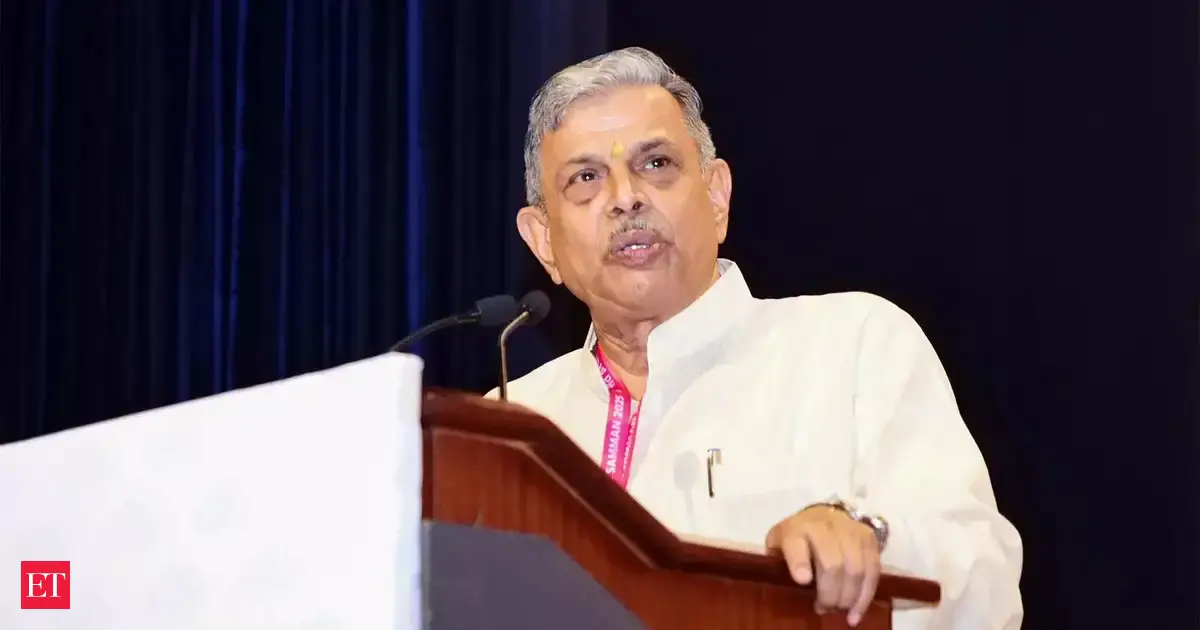
The Supreme Court of India on Thursday, 29th January, stayed the University Grants Commission (Promotion of Equity in Higher Education Institutions) Regulations, 2026 and agreed to consider the urgent listing of a petition challenging the constitutional validity of the UGC Regulations, 2026. The move comes amid growing controversy over the new UGC framework, which critics say introduces a “draconian” and one-sided definition of caste-based discrimination in Indian higher education institutions. Supreme Court stays the University Grants Commission (Promotion of Equity in Higher Education Institutions) Regulations, notified on January 23, 2026 which was challenged by various petitioners as being arbitrary, exclusionary, discriminatory and in violation of the Constitution… pic.twitter.com/KUuXgEMntL— ANI (@ANI) January 29, 2026 The petition was mentioned before Chief Justice of India Surya Kant by advocate Parth Yadav, who appeared on behalf of social activist and entrepreneur Rahul Dewan. Urging the court to take up the matter at the earliest, Yadav argued that, if allowed to operate, the regulations could lead to fresh discrimination rather than preventing it. He submitted that the issue raises serious constitutional concerns and needs immediate judicial scrutiny. Taking note of the submissions, the Supreme Court agreed to consider an urgent listing of the plea, signalling that the concerns raised around the new UGC regulations warrant closer examination by the apex court. The petition challenges specific provisions of the UGC (Promotion of Equity in Higher Education Institutions) Regulations, 2026, notified on 23rd January this year. The plea contends that Regulations 3(1)(c), 8(b), and 8(c) violate Articles 14, 15, and 21 of the Constitution, which guarantee equality before law, protection against discrimination, and the right to life and dignity. Who filed the Petition before the Supreme Court? The plea has been filed by businessman and philanthropist Rahul Dewan, along with retired IAS officer Sanjay Dixit, Anubhav Pandey, and Rubal Padaliya. Among them, Rahul Dewan has emerged as the most vocal face of the challenge, speaking openly about why he believes the UGC regulations are dangerous and divisive. This is the petition – by Rahul Dewan, myself and two others. Adv – Vishnu Shankar Jain. Filed, Mentioned and listed. Wish us good luck. For all of us – you and me. pic.twitter.com/cORKYAlkau— Sanjay Dixit ಸಂಜಯ್ ದೀಕ್ಷಿತ್ संजय दीक्षित (@Sanjay_Dixit) January 28, 2026 Soon after filing the petition, Dewan spoke to OpIndia, explaining his concerns and the reasons for moving to the Supreme Court. According to him, the regulations are not about addressing genuine discrimination but about institutionalising a particular ideological narrative. Rahul Dewan’s criticism of the UGC Regulations Speaking to OpIndia, Rahul Dewan said the underlying intent of the regulations appeared deeply problematic. “The idea seems to be to turn every Hindu caste against the upper castes,” he said, adding that the framework was designed to create friction within Hindu society. EXCLUSIVE'The idea seems to be to turn every Hindu caste against the upper castes. It was designed to create friction among Hindus and perhaps hand some weapons to certain Muslims who have been classified as OBC. Who the oppressor was has not been documented, and what was the… pic.twitter.com/3DCtNRJaZ4— OpIndia.com (@OpIndia_com) January 29, 2026 Dewan questioned the assumptions built into the rules, noting that the regulations label certain groups as oppressors without identifying who the oppressor is or what evidence supports such sweeping claims. He also warned that by selectively defining victims, the rules could end up empowering misuse. Sharing his views on LinkedIn after filing the petition, Dewan described the guidelines as “divisive” and said they punish entire communities for historical wrongs without individual accountability. “Brahmins, and upper castes in general, are the most persecuted class of people in India today,” he wrote. “They’re being punished for what was purportedly done by their communities a thousand years ago. If this is not collective punishment, then what is?” According to Dewan, laws meant to ensure fairness must protect everyone equally, not selectively exclude large sections of society from legal safeguards. Who is Rahul Dewan? Rahul Dewan is an entrepreneur, open source and agile evangelist, blogger, activist, amateur photographer, and a guy who sticks to yoga and meditation like clockwork. He built a software services business from scratch, grew it to almost 600 people over 20 years, and sold it to a US company in 2022. After leaving his company, he became an angel investor, investing in cool stuff like Ayurveda, surgical devices, synthetic biology, clean tech, food tech, and even films and docs. Back in 2006, he started a non-profit called Sarayu Foundation, focusing on
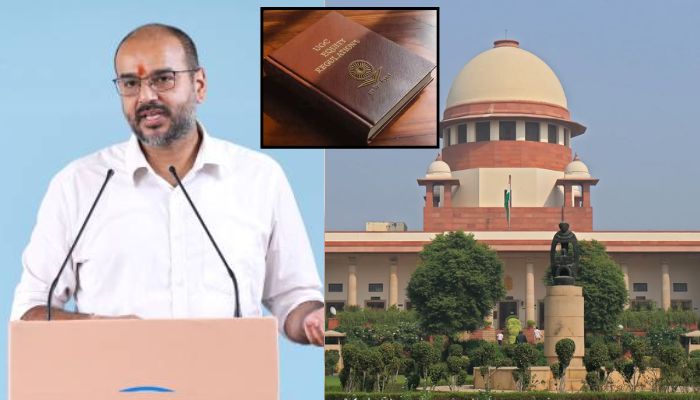

The Supreme Court of India on Thursday, 29th January, stayed the University Grants Commission (Promotion of Equity in Higher Education Institutions) Regulations, 2026 and agreed to consider the urgent listing of a petition challenging the constitutional validity of the UGC Regulations, 2026. The move comes amid growing controversy over the new UGC framework, which critics say introduces a “draconian” and one-sided definition of caste-based discrimination in Indian higher education institutions.
Supreme Court stays the University Grants Commission (Promotion of Equity in Higher Education Institutions) Regulations, notified on January 23, 2026 which was challenged by various petitioners as being arbitrary, exclusionary, discriminatory and in violation of the Constitution… pic.twitter.com/KUuXgEMntL
— ANI (@ANI) January 29, 2026
The petition was mentioned before Chief Justice of India Surya Kant by advocate Parth Yadav, who appeared on behalf of social activist and entrepreneur Rahul Dewan. Urging the court to take up the matter at the earliest, Yadav argued that, if allowed to operate, the regulations could lead to fresh discrimination rather than preventing it. He submitted that the issue raises serious constitutional concerns and needs immediate judicial scrutiny.
Taking note of the submissions, the Supreme Court agreed to consider an urgent listing of the plea, signalling that the concerns raised around the new UGC regulations warrant closer examination by the apex court.
The petition challenges specific provisions of the UGC (Promotion of Equity in Higher Education Institutions) Regulations, 2026, notified on 23rd January this year. The plea contends that Regulations 3(1)(c), 8(b), and 8(c) violate Articles 14, 15, and 21 of the Constitution, which guarantee equality before law, protection against discrimination, and the right to life and dignity.
Who filed the Petition before the Supreme Court?
The plea has been filed by businessman and philanthropist Rahul Dewan, along with retired IAS officer Sanjay Dixit, Anubhav Pandey, and Rubal Padaliya. Among them, Rahul Dewan has emerged as the most vocal face of the challenge, speaking openly about why he believes the UGC regulations are dangerous and divisive.
This is the petition – by Rahul Dewan, myself and two others. Adv – Vishnu Shankar Jain. Filed, Mentioned and listed. Wish us good luck. For all of us – you and me. pic.twitter.com/cORKYAlkau
— Sanjay Dixit ಸಂಜಯ್ ದೀಕ್ಷಿತ್ संजय दीक्षित (@Sanjay_Dixit) January 28, 2026
Soon after filing the petition, Dewan spoke to OpIndia, explaining his concerns and the reasons for moving to the Supreme Court. According to him, the regulations are not about addressing genuine discrimination but about institutionalising a particular ideological narrative.
Rahul Dewan’s criticism of the UGC Regulations
Speaking to OpIndia, Rahul Dewan said the underlying intent of the regulations appeared deeply problematic. “The idea seems to be to turn every Hindu caste against the upper castes,” he said, adding that the framework was designed to create friction within Hindu society.
EXCLUSIVE
— OpIndia.com (@OpIndia_com) January 29, 2026
'The idea seems to be to turn every Hindu caste against the upper castes. It was designed to create friction among Hindus and perhaps hand some weapons to certain Muslims who have been classified as OBC. Who the oppressor was has not been documented, and what was the… pic.twitter.com/3DCtNRJaZ4
Dewan questioned the assumptions built into the rules, noting that the regulations label certain groups as oppressors without identifying who the oppressor is or what evidence supports such sweeping claims. He also warned that by selectively defining victims, the rules could end up empowering misuse.
Sharing his views on LinkedIn after filing the petition, Dewan described the guidelines as “divisive” and said they punish entire communities for historical wrongs without individual accountability. “Brahmins, and upper castes in general, are the most persecuted class of people in India today,” he wrote. “They’re being punished for what was purportedly done by their communities a thousand years ago. If this is not collective punishment, then what is?”
According to Dewan, laws meant to ensure fairness must protect everyone equally, not selectively exclude large sections of society from legal safeguards.
Who is Rahul Dewan?
Rahul Dewan is an entrepreneur, open source and agile evangelist, blogger, activist, amateur photographer, and a guy who sticks to yoga and meditation like clockwork. He built a software services business from scratch, grew it to almost 600 people over 20 years, and sold it to a US company in 2022.
After leaving his company, he became an angel investor, investing in cool stuff like Ayurveda, surgical devices, synthetic biology, clean tech, food tech, and even films and docs. Back in 2006, he started a non-profit called Sarayu Foundation, focusing on non-formal education for kids from tough backgrounds. It’s helped over 1,000 children across Delhi and villages in eastern India through after-school classes in maths, music, English, and yoga, and by building safe spaces for them to learn and gain confidence.
In 2016, he took it further with SangamTalks, a YouTube channel that has exploded into a hub for Indian Knowledge Systems, history, science, maths, economics, arts, culture, environment, and travel. It has nearly 1000 talks from scholars and researchers, over 1600 long videos, and is available in six Indian languages, with English and Hindi leading.
Dewan funds most of this from his own pocket and backs about 50 people or groups pushing to “rebuild the Indian Civilisation.” He has a B.Tech in Computer Science, a cert in ornithology, and some in creative writing. Dewan often describes himself as driven by the motto, “Do the right thing, and right things happen to you,” inspired by his spiritual guide, Sadhguru Jaggi Vasudev.
The Hindu Fund and its long-term vision
One of Rahul Dewan’s primary goals for the next three to four years is to build what he calls the “₹1,000 crore Hindu Fund.” Operating under the Hindu Network Foundation, earlier implemented through Sarayu Foundation, the initiative aims to support individuals and organisations working to preserve and promote Sanatana Dharma and Indian civilisation.
Branded simply as “Hindu Fund,” the platform positions itself as a grant-making movement with minimal bureaucracy. Its guiding principle, “Trust by Default,” reflects Dewan’s belief that dharmic workers should be empowered, not burdened by red tape.
The fund supports initiatives across education, culture, history, civilisational studies, and social work, aligning with Dewan’s larger belief that Hindu society needs to reclaim its historical confidence and civilisational identity.
Background: Why the UGC Regulations triggered a backlash
The controversy around the UGC’s 2026 regulations stems from their narrow definition of caste-based discrimination. The 2026 regulations ruled out the general castes as victims of caste-based violence by restricting the category of victims to SCs, STs, and OBCs. There is no provision for general category students to raise a complaint when subjected to caste-based discrimination.
The 2026 regulations not only assume that caste-based discrimination is only directed towards people from the SC, ST, and OBC communities, but, in a way, promote reverse caste-based discrimination by excluding general castes, which form a large section of the academic community, from protection.
The new framework is blatantly biased against students in general, leaving them with no institutional recourse if the rules are misapplied against them. This is why the 2026 regulations are facing outrage from people, primarily students, whose lives would be directly affected.