What is Somaliland? What does Israel’s recognition of the ‘new country’ in Africa mean? Read why it is less about ‘land’ and more about ‘Sea’
On December 26, Israel became the first United Nations member state to formally recognise the Republic of Somaliland as an independent and sovereign nation, marking a major breakthrough for the seceded region after 34 years of self-declared independence from Somalia. Prime Minister Benjamin Netanyahu, alongside Foreign Minister Gideon Sa’ar, signed a joint declaration with Somaliland President Abdirahman Mohamed Abdullahi during a video call. The agreement between Israel and Somaliland establishes full diplomatic relations, including the exchange of ambassadors and the opening of embassies. After more than three decades of peaceful self-governance, constitutional order, and democratic practice, Somaliland has received its first formal international recognition as a sovereign and independent state.This development affirms an objective reality that has long existed.… pic.twitter.com/Kw0JrhfZKM— Presidency | Republic of Somaliland (@Presidencysl_) December 26, 2025 Netanyahu described the move as “in the spirit of the Abraham Accords,” expressing hopes that Somaliland would join the U.S.-brokered normalisation framework. Israel pledged immediate cooperation in agriculture, health, technology, and economy. The Prime Minister announced today the official recognition of the Republic of Somaliland as an independent and sovereign state.Prime Minister Netanyahu, Foreign Minister Sa'ar, and the President of the Republic of Somaliland signed a joint and mutual declaration. pic.twitter.com/M0AeTs5oxY— Prime Minister of Israel (@IsraeliPM) December 26, 2025 The government of Somaliland has hailed the recognition and celebrations broke out in the country as the agreement was signed. Thousands of people gathered in the capital Hargeisa’s Freedom Square, waving Somaliland flags to celebrate Israel’s formal recognition of the self-declared republic as an independent state. Israel’s formal recognitio has also triggered a massive backlash in Africa and Middle East. The Kingdom of Saudi Arabia condemned the move, so did the African Union, Somalia, Egypt, Turkey, Djibouti, and others. The Kingdom of Saudi Arabia issued a statement, saying, they have “full support for the sovereignty of the brotherly Federal Republic of Somalia, and for its unity and territorial integrity. The Kingdom expresses its rejection of the announcement of mutual recognition between the Israeli occupation authorities and the Somaliland region, considering it an action that entrenches unilateral secessionist measures that violate the international law.” “The Chairperson of the African Union Commission rejects any recognition of Somaliland and reaffirms the African Union’s unwavering commitment to the unity and sovereignty of Somalia”, the African Union posted. What is Somaliland, and how was it born? Somaliland is a former British protectorate that declared independence from Somalia in 1991 amid civil war. Since 1991, Somalilandhas maintained relative stability, its own currency, and democratic institutions. As of now, it is a ‘self-declared’ independent state in the Horn of Africa. It occupies the northwestern region of Somalia, bordering Djibouti to the northwest, Ethiopia to the south and west, and the rest of Somalia to the east. The most important aspect of its location, however, is not the land borders, it is the 850-kilometre-long coastline in the Gulf of Aden, the waterway that connects the Red Sea to the Arabian Sea, and watches over a large chunk of global trade passinge over a sea-route that has been contested, and fought over for centuries. The geopolitical significance of Somaliland is not about the ‘land’, it is about the sea. The former British Somaliland Protectorate gained independence in 1960 and became the State of Somaliland on June 26, 1960. Just days later, on July 1, 1960, it voluntarily joined the former Italian Somaliland to form the Somali Republic, but the union did not last long. The Somalis of the Northern areas were alienated and marginalised under a political dominance of southern groups. After Somalia’s disastrous 1977–1978 Ogaden War with Ethiopia, under the dictatorship of Siad Barre, the tension peaked. Barre bombarded the northern territories, destroyed Hargeisa and killed thousands of people. In response, the Somali National Movement (SNM) launched a guerrilla war against Barre’s regime. During the fall of Barre regime in 1991, the SNM already controlled the northwestern lands. At the Grand Conference of Northern Clans in Burao in 1991, SNM leaders revoked the 1960 union and declared an independent Somaliland, recognising the borders of the former British Protectorate as the new independent nation of Somaliland. How does Somaliland function? Despite having no UN recognition as a country, Somaliland has been a country in terms of governance and jurisprudence. It blends modern democracy with traditional clan-based rule to form a functional, peaceful govern
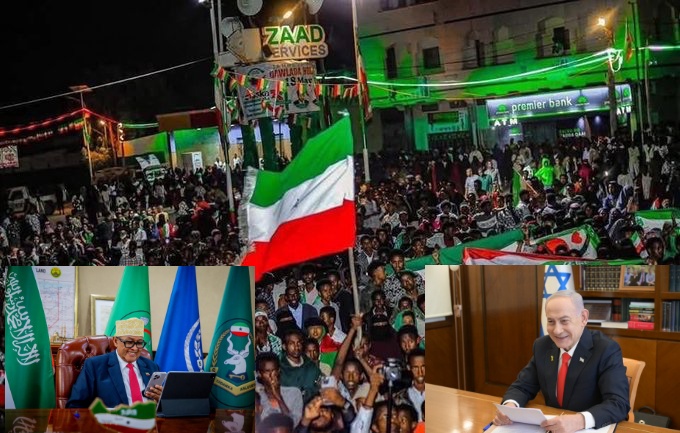

On December 26, Israel became the first United Nations member state to formally recognise the Republic of Somaliland as an independent and sovereign nation, marking a major breakthrough for the seceded region after 34 years of self-declared independence from Somalia.
Prime Minister Benjamin Netanyahu, alongside Foreign Minister Gideon Sa’ar, signed a joint declaration with Somaliland President Abdirahman Mohamed Abdullahi during a video call. The agreement between Israel and Somaliland establishes full diplomatic relations, including the exchange of ambassadors and the opening of embassies.
After more than three decades of peaceful self-governance, constitutional order, and democratic practice, Somaliland has received its first formal international recognition as a sovereign and independent state.
— Presidency | Republic of Somaliland (@Presidencysl_) December 26, 2025
This development affirms an objective reality that has long existed.… pic.twitter.com/Kw0JrhfZKM
Netanyahu described the move as “in the spirit of the Abraham Accords,” expressing hopes that Somaliland would join the U.S.-brokered normalisation framework. Israel pledged immediate cooperation in agriculture, health, technology, and economy.
The Prime Minister announced today the official recognition of the Republic of Somaliland as an independent and sovereign state.
— Prime Minister of Israel (@IsraeliPM) December 26, 2025
Prime Minister Netanyahu, Foreign Minister Sa'ar, and the President of the Republic of Somaliland signed a joint and mutual declaration. pic.twitter.com/M0AeTs5oxY
The government of Somaliland has hailed the recognition and celebrations broke out in the country as the agreement was signed. Thousands of people gathered in the capital Hargeisa’s Freedom Square, waving Somaliland flags to celebrate Israel’s formal recognition of the self-declared republic as an independent state.
Israel’s formal recognitio has also triggered a massive backlash in Africa and Middle East. The Kingdom of Saudi Arabia condemned the move, so did the African Union, Somalia, Egypt, Turkey, Djibouti, and others.
The Kingdom of Saudi Arabia issued a statement, saying, they have “full support for the sovereignty of the brotherly Federal Republic of Somalia, and for its unity and territorial integrity. The Kingdom expresses its rejection of the announcement of mutual recognition between the Israeli occupation authorities and the Somaliland region, considering it an action that entrenches unilateral secessionist measures that violate the international law.”
“The Chairperson of the African Union Commission rejects any recognition of Somaliland and reaffirms the African Union’s unwavering commitment to the unity and sovereignty of Somalia”, the African Union posted.
What is Somaliland, and how was it born?
Somaliland is a former British protectorate that declared independence from Somalia in 1991 amid civil war. Since 1991, Somaliland
has maintained relative stability, its own currency, and democratic institutions. As of now, it is a ‘self-declared’ independent state in the Horn of Africa. It occupies the northwestern region of Somalia, bordering Djibouti to the northwest, Ethiopia to the south and west, and the rest of Somalia to the east.
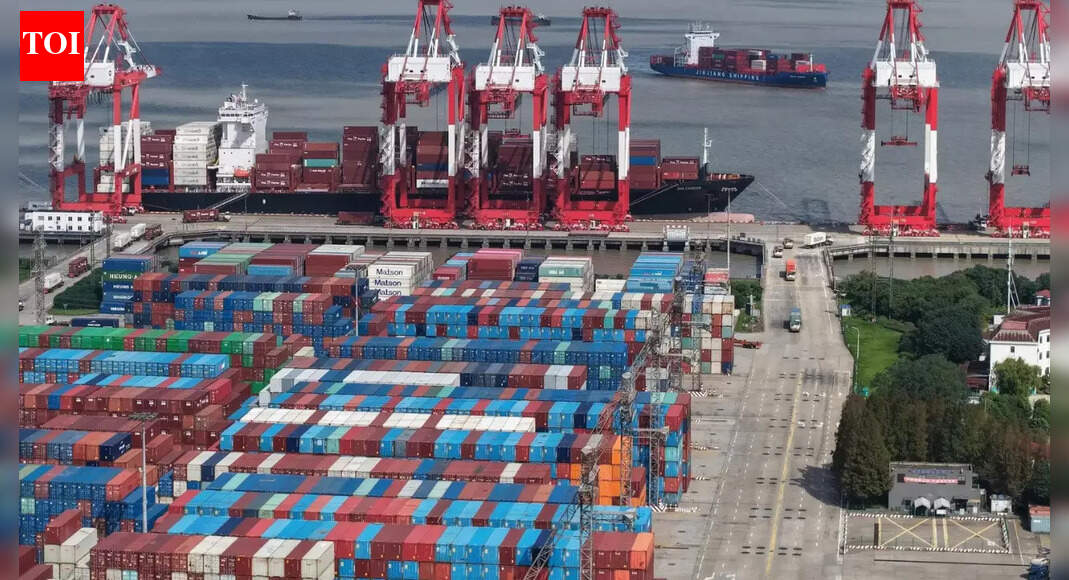
The most important aspect of its location, however, is not the land borders, it is the 850-kilometre-long coastline in the Gulf of Aden, the waterway that connects the Red Sea to the Arabian Sea, and watches over a large chunk of global trade passinge over a sea-route that has been contested, and fought over for centuries.
The geopolitical significance of Somaliland is not about the ‘land’, it is about the sea.

The former British Somaliland Protectorate gained independence in 1960 and became the State of Somaliland on June 26, 1960. Just days later, on July 1, 1960, it voluntarily joined the former Italian Somaliland to form the Somali Republic, but the union did not last long. The Somalis of the Northern areas were alienated and marginalised under a political dominance of southern groups. After Somalia’s disastrous 1977–1978 Ogaden War with Ethiopia, under the dictatorship of Siad Barre, the tension peaked. Barre bombarded the northern territories, destroyed Hargeisa and killed thousands of people.
In response, the Somali National Movement (SNM) launched a guerrilla war against Barre’s regime. During the fall of Barre regime in 1991, the SNM already controlled the northwestern lands. At the Grand Conference of Northern Clans in Burao in 1991, SNM leaders revoked the 1960 union and declared an independent Somaliland, recognising the borders of the former British Protectorate as the new independent nation of Somaliland.
How does Somaliland function?
Despite having no UN recognition as a country, Somaliland has been a country in terms of governance and jurisprudence. It blends modern democracy with traditional clan-based rule to form a functional, peaceful governing system, with peaceful transfers of power, a sharp contrast to Somalia which is a fragile land destroyed by civil wars. Somaliland holds regular multi-party elections and is ranked as ‘partly free’ by Freedom House.
Somaliland has a relatively stable and lawful governance, with low instances of piracy and terrorism. It has its own police and military and maintains territorial integrity in the region.
On the contrary, Somalia, which is recognised as a country by the UN, is riddled with anarchy, civil wars, terrorism and violence. Al Shabaab controls large chunks of its territory and rampant crimes, genocides, and piracy are the everyday reality. Its economy has collapsed, and it survives on aid. Whatever relevance Somalia has a ‘nation’, it comes from the recognition by the African Union and other regional powers.
Basically, Somaliland is a de facto nation with democracy, functional government and relative stability with a developing economy, which is not recognised as a ‘country’ by the UN yet. Somalia is none of the above, but is still a ‘country’ recognised by the UN.
Israel’s recognition of Somaliland: what does it mean and how is it significant?
As stated above, the geopolitical significance of Somaliland is not about the ‘land’, it is about the sea.
Somaliland’s coastline on the Gulf of Aden faces Yemen, where Iran-backed Houthis have been attacking shipping lanes and have used the area to launch missiles at Israel. The Red Sea shipping lanes have been dangerous for Western ships for months now, as Houthis continue to attack them. By having friendly relations with Somaliland, Israel gains support for maritime intelligence and countering Iranian influence in the region. Somaliland’s Berbera port offers a foothold amid growing Chinese presence in nearby Djibouti.
Israel's historic recognition of Somaliland as a sovereign state, just announced today, cracks open a highly strategic region: direct access to Berbera port, enhanced Red Sea security amid lingering Houthi threats, countering Iranian influence, and reliable diversification of… pic.twitter.com/tYPjiSOJQz
— Velina Tchakarova (@vtchakarova) December 26, 2025
The Berbera Port, a deep-water facility overlooking the Bab Al Mandeb strait, was modernised by the UAE’s DP World with over $442 million invested. Ethiopia, which needs an alternative port to reduce its dependence on Djibouti, has maintained friendly relations with Somaliland, too, despite not having declared full official recognition.
The global interest in Africa is escalating. As dominant powers seek footholds to control trade and assert military dominance in the larger Indian Ocean and Atlantic Ocean, Israel’s recognition of Somaliland comes as a significant development.
Somaliland is not recognised by the UN yet. But a country is an idea, more than anything else. The validation of a country’s identity comes from other nations, who are ideas themselves, held by pieces of paper called declarations and agreements. The UN itself is not a “place”, but an idea that is held by pieces of paper. A country is defined by its people, a functional governing body and its own will to assert its power. Somaliland has been that for over three decades now.
If power, economy, democracy, governance and stability define a nation, Somaliland is more of a nation than Somalia, whether the UN likes it or not.