Western Australia burns 200,000 hectares a year for fire safety, but scientists say the policy may be eroding biodiversity in a global hotspot
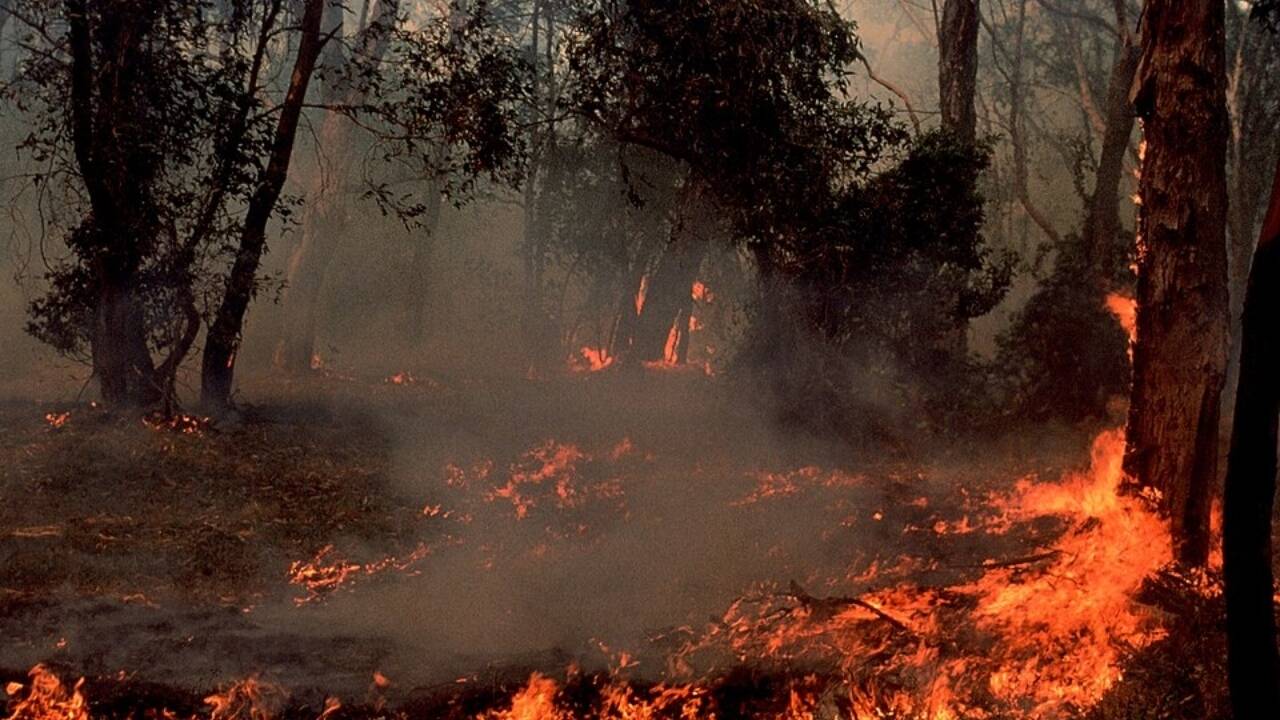
Western Australia's large-scale prescribed burning program is under scientific review for its ecological consequences. Authorities burn vast areas annually to reduce bushfire risks and protect communities. However, scientists question the long-term effects on biodiversity and unique plant species. Frequent burning may simplify habitats and reduce populations of fire-sensitive organisms. A more flexible approach is advocated, balancing fire mitigation with conservation needs.
Western Australia's large-scale prescribed burning program is under scientific review for its ecological consequences. Authorities burn vast areas annually to reduce bushfire risks and protect communities. However, scientists question the long-term effects on biodiversity and unique plant species. Frequent burning may simplify habitats and reduce populations of fire-sensitive organisms. A more flexible approach is advocated, balancing fire mitigation with conservation needs.