UNI office sealed in Delhi: Inside the HC order that triggered the action and how left-liberals gave it an ‘attack on press freedom’ spin
A major controversy has broken out in the national capital after police action at the office of United News of India (UNI), one of India’s oldest news agencies. On Friday evening, 20th March, officials from the Delhi Police, along with paramilitary personnel, reached UNI’s office at Rafi Marg and carried out an eviction process following a court order. According to media reports, around 50 journalists and staff members present at the office were asked to vacate the premises. Reports also claimed that some employees were physically removed from the building during the operation. Deputy Commissioner of Police Sachin Sharma said that the police were present only to assist government authorities. “As per the HC order, we were there to provide security to the L&DO officers and asked all UNI staffers to vacate the premises,” he stated. The action came just hours after the Delhi High Court dismissed UNI’s plea challenging the cancellation of its land allotment. Soon after, the property was sealed by authorities, triggering a wider debate over press freedom and government action. Image via TIE Misleading public by dubbing action against UNI as attack on ‘press freedom’ Following the incident, several left-liberals, activists and so-called journalists took to social media to criticise the government, with many saying that the move reflects shrinking space for free speech in India. A Congress worker, Srinivas, compared the situation to an authoritarian regime and suggested that media freedom in India is under serious threat. He wrote, “Congratulations, North Korea has been born in India…” बधाई हो, भारत में North Korea पैदा हुआ है.. https://t.co/MF72AbkuJQ— Srinivas BV (@srinivasiyc) March 20, 2026 Journalist Mamta Tripathi also expressed concern, alleging that the media industry is being controlled. Sharing a video, she wrote, “Will Lala Ji take control of UNI too?? Today, Delhi Police raided the UNI office!! He has the entire news industry in his fist.” UNI पर भी लाला जी का क़ब्ज़ा होगा क्या?? आज दिल्ली पुलिस ने UNI के दफ़्तर पर छापा मारा है!!पूरी न्यूज़ इंडस्ट्री को मुट्ठी में कर लिया है। pic.twitter.com/aH3kRFFNho— Mamta Tripathi (@MamtaTripathi80) March 20, 2026 Similarly, journalist Harsh Vardhan Tripathi criticised the action and called the visuals disturbing. He wrote, “The Delhi Police has raided #UNI. The Statesman newspaper is also part of the same group. Shameful scene.” Another journalist, Namita Sharma, used strong words to describe the situation, suggesting that the system itself is targeting the media. She wrote, “Some die by bullet, some by hunger… So some will die by the system, all will die, Raid by Delhi Police on UNI News… It’s clear to the media: if you lick, you’ll be cut. Today it’s UNI’s turn, tomorrow it’ll be yours, Sycophantic journalism has made corrupt governments great…” कोई गोली से, कोई भूख से…तो कोई सिस्टम से मरेगा,मरेंगे तो सब—UNI News पर दिल्ली पुलिस का छापा—-मीडिया के लिए स्पष्ट है बटोगे तो कटोगे—आज UNI की बारी तो कल तुम्हारी बारी—चाटुकार पत्रकारिता ने भ्रष्ट सरकारों को महान बना दिया ——#UNI #MEDIA pic.twitter.com/ah86JMfgav— Journalist Namita Sharma (@NamitaSharmaSV) March 20, 2026 Political leaders also joined in. CPI MP P Sandosh Kumar condemned the action and termed it an attack on press freedom. STORY | Sealing of UNI office "assault on press": CPI MPCPI MP P Sandosh Kumar on Friday condemned the sealing of the office of news agency UNI and called it an assault on press freedom.READ: https://t.co/9DkpjnVL3K pic.twitter.com/bASWwe4qJW— Press Trust of India (@PTI_News) March 20, 2026 Meanwhile, another Congress worker from Gujarat, Saral Patel described the move as similar to an “undeclared emergency” and accused authorities of acting harshly. He wrote, “A glimpse of the undeclared emergency of the last 12 years under the Modi BJP government. India’s oldest news agency, UNI’s office, was raided by Delhi Police and sealed as if they were acting against some terror organisation. Employees were not even given time to collect their belongings. A blatant attack on the freedom of the press!” A glimpse of the undeclared emergency of the last 12 years under the Modi BJP government.India’s oldest news agency UNI’s office was raided by Delhi Police and sealed as if they were acting against some terror organisation. Employees were not even given time to collect their… pic.twitter.com/pVUWTAoxbX— Saral Patel (@SaralPatel) March 21, 2026 These reactions have added to the narrative that press freedom is under threat. However, others argue that such statements are creating unnecessary panic and a “fear psychosis,” without fully acknowledging the legal and judicial context behind the action. What led to the crackdown? The legal background At the centre of the controversy is a long-standing land dispute involving UNI and the government’s Land and Development Office (L&DO) under the Ministry of Housing and Urban Affairs. The propert
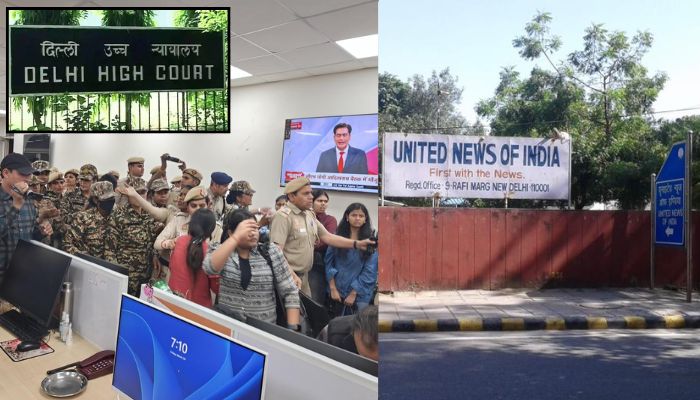
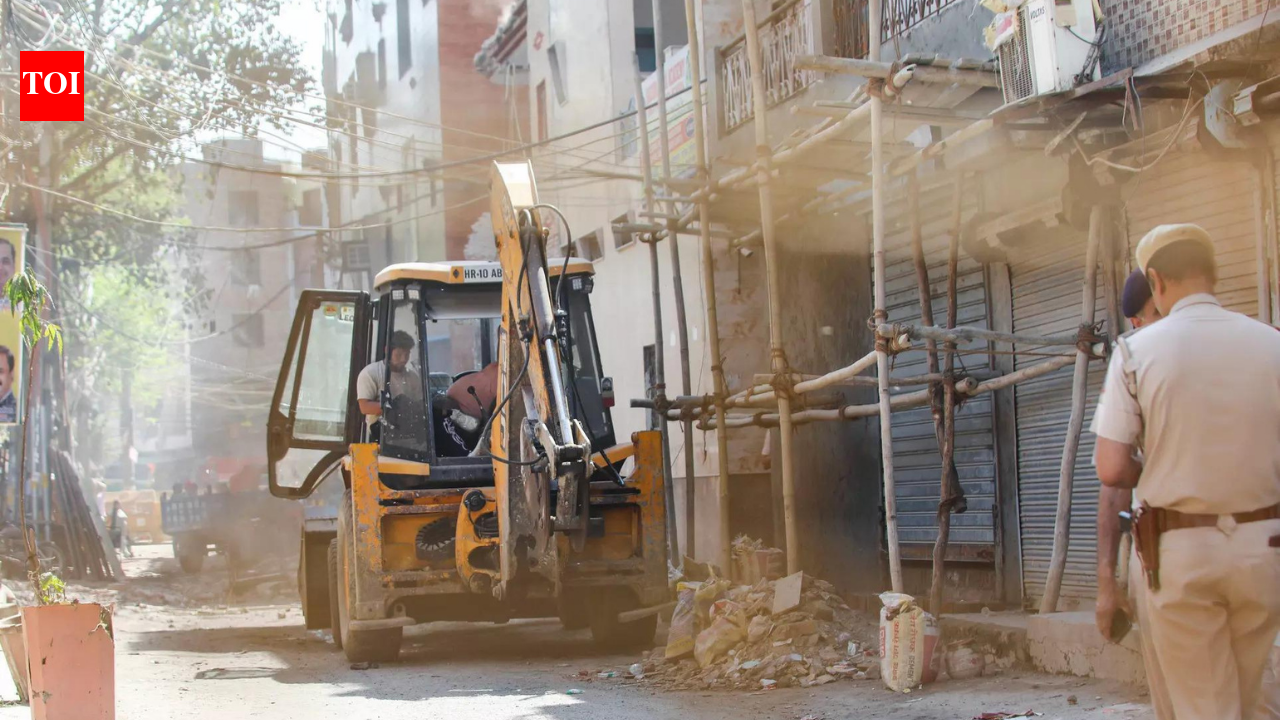
A major controversy has broken out in the national capital after police action at the office of United News of India (UNI), one of India’s oldest news agencies. On Friday evening, 20th March, officials from the Delhi Police, along with paramilitary personnel, reached UNI’s office at Rafi Marg and carried out an eviction process following a court order.
According to media reports, around 50 journalists and staff members present at the office were asked to vacate the premises. Reports also claimed that some employees were physically removed from the building during the operation. Deputy Commissioner of Police Sachin Sharma said that the police were present only to assist government authorities. “As per the HC order, we were there to provide security to the L&DO officers and asked all UNI staffers to vacate the premises,” he stated.
The action came just hours after the Delhi High Court dismissed UNI’s plea challenging the cancellation of its land allotment. Soon after, the property was sealed by authorities, triggering a wider debate over press freedom and government action.
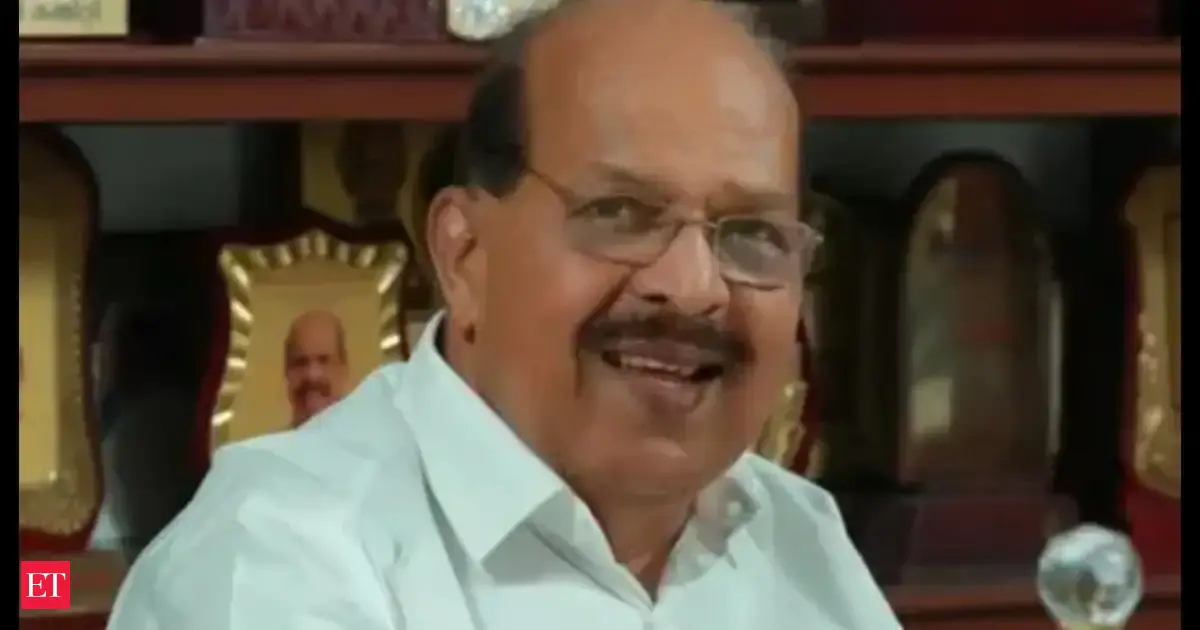
Image via TIE
Misleading public by dubbing action against UNI as attack on ‘press freedom’
Following the incident, several left-liberals, activists and so-called journalists took to social media to criticise the government, with many saying that the move reflects shrinking space for free speech in India.
A Congress worker, Srinivas, compared the situation to an authoritarian regime and suggested that media freedom in India is under serious threat. He wrote, “Congratulations, North Korea has been born in India…”
बधाई हो, भारत में North Korea पैदा हुआ है.. https://t.co/MF72AbkuJQ— Srinivas BV (@srinivasiyc) March 20, 2026
Journalist Mamta Tripathi also expressed concern, alleging that the media industry is being controlled. Sharing a video, she wrote, “Will Lala Ji take control of UNI too?? Today, Delhi Police raided the UNI office!! He has the entire news industry in his fist.”
UNI पर भी लाला जी का क़ब्ज़ा होगा क्या?? आज दिल्ली पुलिस ने UNI के दफ़्तर पर छापा मारा है!!पूरी न्यूज़ इंडस्ट्री को मुट्ठी में कर लिया है। pic.twitter.com/aH3kRFFNho— Mamta Tripathi (@MamtaTripathi80) March 20, 2026
Similarly, journalist Harsh Vardhan Tripathi criticised the action and called the visuals disturbing. He wrote, “The Delhi Police has raided #UNI. The Statesman newspaper is also part of the same group. Shameful scene.”
Another journalist, Namita Sharma, used strong words to describe the situation, suggesting that the system itself is targeting the media. She wrote, “Some die by bullet, some by hunger… So some will die by the system, all will die, Raid by Delhi Police on UNI News… It’s clear to the media: if you lick, you’ll be cut. Today it’s UNI’s turn, tomorrow it’ll be yours, Sycophantic journalism has made corrupt governments great…”
कोई गोली से, कोई भूख से…तो कोई सिस्टम से मरेगा,मरेंगे तो सब—UNI News पर दिल्ली पुलिस का छापा—-मीडिया के लिए स्पष्ट है बटोगे तो कटोगे—आज UNI की बारी तो कल तुम्हारी बारी—चाटुकार पत्रकारिता ने भ्रष्ट सरकारों को महान बना दिया ——#UNI #MEDIA pic.twitter.com/ah86JMfgav— Journalist Namita Sharma (@NamitaSharmaSV) March 20, 2026
Political leaders also joined in. CPI MP P Sandosh Kumar condemned the action and termed it an attack on press freedom.
STORY | Sealing of UNI office "assault on press": CPI MPCPI MP P Sandosh Kumar on Friday condemned the sealing of the office of news agency UNI and called it an assault on press freedom.READ: https://t.co/9DkpjnVL3K pic.twitter.com/bASWwe4qJW— Press Trust of India (@PTI_News) March 20, 2026
Meanwhile, another Congress worker from Gujarat, Saral Patel described the move as similar to an “undeclared emergency” and accused authorities of acting harshly. He wrote, “A glimpse of the undeclared emergency of the last 12 years under the Modi BJP government. India’s oldest news agency, UNI’s office, was raided by Delhi Police and sealed as if they were acting against some terror organisation. Employees were not even given time to collect their belongings. A blatant attack on the freedom of the press!”
A glimpse of the undeclared emergency of the last 12 years under the Modi BJP government.India’s oldest news agency UNI’s office was raided by Delhi Police and sealed as if they were acting against some terror organisation. Employees were not even given time to collect their… pic.twitter.com/pVUWTAoxbX— Saral Patel (@SaralPatel) March 21, 2026
These reactions have added to the narrative that press freedom is under threat. However, others argue that such statements are creating unnecessary panic and a “fear psychosis,” without fully acknowledging the legal and judicial context behind the action.
What led to the crackdown? The legal background
At the centre of the controversy is a long-standing land dispute involving UNI and the government’s Land and Development Office (L&DO) under the Ministry of Housing and Urban Affairs.
The property in question, located at 9 Rafi Marg in central Delhi, is considered prime public land. UNI was originally allotted this land decades ago with a clear condition that it would construct a composite office building along with the Press Council of India (PCI) within a specified time frame.
However, according to the government and court records, this condition was never fulfilled.
In its recent order, the Delhi High Court made strong observations against UNI. Justice Sachin Datta noted that the organisation had continued to occupy valuable public land despite failing to meet its obligations for years.
“The facts of the present case reveal a situation where valuable public land has effectively been held hostage by a licensee who has failed to perform its obligations for decades,” the court observed.
The court further added that such conduct “strikes at the very foundation of the allotment framework governing public land,” and concluded that “the cancellation of the allotment was, therefore, fully justified and legally inevitable.”
Decades of non-compliance and missed deadlines
The issue is not recent but goes back more than 45 years. UNI was first allotted land at the Rafi Marg location in 1979, with plans to build a shared office complex for multiple media organisations. However, the project never took off.
Over the years, multiple revised allotment letters were issued, in 1986, 1999, and 2000, each time reiterating the requirement to construct the building. Despite this, little to no progress was made. Even when construction approval was granted in 2012, the project remained stalled.
By 2023, after issuing a show-cause notice and receiving unsatisfactory responses, the L&DO cancelled the allotment, citing violation of lease conditions. UNI challenged this decision in court, but its plea was ultimately dismissed.
The High Court also pointed out that “more than 45 years of persistent non-performance” could not be excused simply because the organisation was now willing to act.
UNI’s financial troubles further complicated the situation. The agency underwent insolvency proceedings and was taken over by The Statesman Ltd in 2025. The government argued that this change in ownership altered the nature of the allottee, as the land was originally granted to a not-for-profit entity, not a private commercial organisation.
Court emphasises public interest
Another key point highlighted by the court was the importance of protecting public assets. The land in question is estimated to be worth around ₹409 crore, making it a highly valuable public resource.
The court stressed that public land cannot be treated as private property. “Public land cannot be allowed to be held hostage by a defaulting licensee who has failed to fulfil the very object for which the licence was granted,” it said.
It also directed authorities to ensure stricter enforcement of conditions in future allotments to prevent such long delays and misuse.
Government’s role: Implementing the High Court’s order
One of the central debates in this controversy is whether the government acted independently or was simply following judicial directions.
A closer look at the sequence of events suggests that the action was taken after the Delhi High Court’s order, which clearly directed authorities to “immediately take possession of the land.”
Police officials have also maintained that their role was limited to providing security during the eviction process. The operation was carried out in support of the L&DO, which is responsible for managing government land.
In that sense, the government’s actions appear to be in line with the court’s directive rather than an arbitrary decision.
Conclusion: A case of legal action, not press freedom
The UNI controversy has once again brought the debate on press freedom into the spotlight. While some activists and journalists have portrayed the incident as an attack on media independence, the legal record tells a more complex story.
The eviction was not a sudden move but the result of a long-standing dispute over land use, stretching back decades. The Delhi High Court’s detailed observations point to consistent non-compliance by UNI in fulfilling its obligations.
At the same time, the government, as an implementing authority, is bound to act on court orders. Ignoring such directives would raise serious questions about governance and the rule of law.
While concerns about press freedom are important in any democracy, it is equally important to separate legal enforcement from political narratives. In this case, the available facts suggest that the action against UNI was rooted in a judicial decision rather than an independent crackdown on the media.
The situation, however, has clearly struck a nerve, and the larger debate around media freedom, government action, and accountability is likely to continue in the coming days.