Smartphone makers directed to pre-install Sanchar Saathi: Here’s why the govt want it to be a must-have app on every phone
In a move that could reshape India’s mobile security landscape, the Ministry of Communications has directed major smartphone manufacturers, including Apple, Samsung, Xiaomi, Vivo and Oppo, to pre-install the government-owned cybersecurity app Sanchar Saathi on all new devices sold in the country. According to a Reuters report, companies have been given 90 days to comply, and the app must come with a mandatory provision that users cannot disable it. The order, which was sent privately to phone makers rather than issued publicly, also requires manufacturers to roll out software updates to install the app on devices already in the supply chain. The directive has sparked immediate concern within the industry, particularly from Apple, which traditionally resists pre-installation of non-Apple apps and has previously clashed with Indian regulators over similar demands. While the decision is expected to trigger debates around privacy, compliance and user rights, the government argues that the mandate is necessary to counter rising cyber threats, mobile fraud and misuse of telecom infrastructure. To understand the significance of this move, it is essential to examine what Sanchar Saathi does, how it works and why India considers it a core component of its telecom security strategy. What is Sanchar Saathi? Sanchar Saathi began as a web portal launched by the Department of Telecommunications (DoT) in May 2023. In January 2024, the government expanded its reach by introducing the Sanchar Saathi mobile app for Android and iOS, transforming it into a comprehensive public tool against mobile-related crimes. At its heart, the app is designed to help users protect themselves from mobile theft, fraud and identity misuse. Screenshot of Santhar Saathi app One of the app’s primary capabilities is enabling users to block lost or stolen mobile phones. When a device is reported through Sanchar Saathi, telecom operators across India are instructed to block its IMEI number, which disables the phone on all networks. If someone attempts to use the blocked phone anywhere in the country, law enforcement agencies can trace its location. This mechanism severely restricts the resale of stolen devices and helps police crack theft networks. Sanchar Saathi also includes a fraud-reporting feature called Chakshu. This facility allows users to report suspicious calls, phishing SMS, scam WhatsApp messages and fraudulent links. The reports help authorities identify high-risk numbers and patterns of criminal activity, enabling proactive blocking or investigation by telecom and law enforcement agencies. Another valuable function of the app is the ability to verify all mobile numbers registered under an individual’s identity. Many users remain unaware of how many SIM cards have been issued in their name, often leading to cases of impersonation, SIM misuse or financial fraud. Sanchar Saathi displays these linked numbers and allows users to raise complaints against those they do not recognise, helping prevent identity theft or illicit use of their documents. The app also assists users in verifying the authenticity of their mobile devices through the Know Your Mobile (KYM) feature. KYM enables users to check whether their handset’s IMEI is genuine, whether the device was reported stolen earlier or if it might be a counterfeit or cloned phone. This protects consumers from unknowingly purchasing blacklisted or illegally altered devices, especially from the grey market. Why the government wants Sanchar Saathi pre-installed The government’s mandate for pre-installing Sanchar Saathi stems from concerns over the growing threat posed by duplicate and spoofed IMEI numbers. The confidential order describes this as a “serious endangerment” to telecom cybersecurity. Criminal networks often clone or spoof IMEIs to evade tracking, commit fraud or resell stolen phones. This manipulation of a device’s identity undermines law enforcement efforts and enables large-scale telecom scams. By ensuring Sanchar Saathi is present on every smartphone and cannot be disabled, the government aims to create a universal detection layer against IMEI tampering. A non-removable app guarantees that the system’s fraud-reporting and verification features remain active across all devices, strengthening India’s ability to monitor misuse and intervene quickly when needed. The government’s confidence in mandating the app also stems from its track record. Since its launch, Sanchar Saathi has helped block more than 3.7 million stolen or lost phones and recover over 700,000 devices. October alone accounted for 50,000 recoveries. Additionally, the app has led to the termination of more than 30 million fraudulent mobile connections, demonstrating its impact on curbing widespread telecom misuse. With more than 5 million downloads already, the app has proven effective as a public-security tool in a country with over 1.2 billion mobile subscribers. The pu
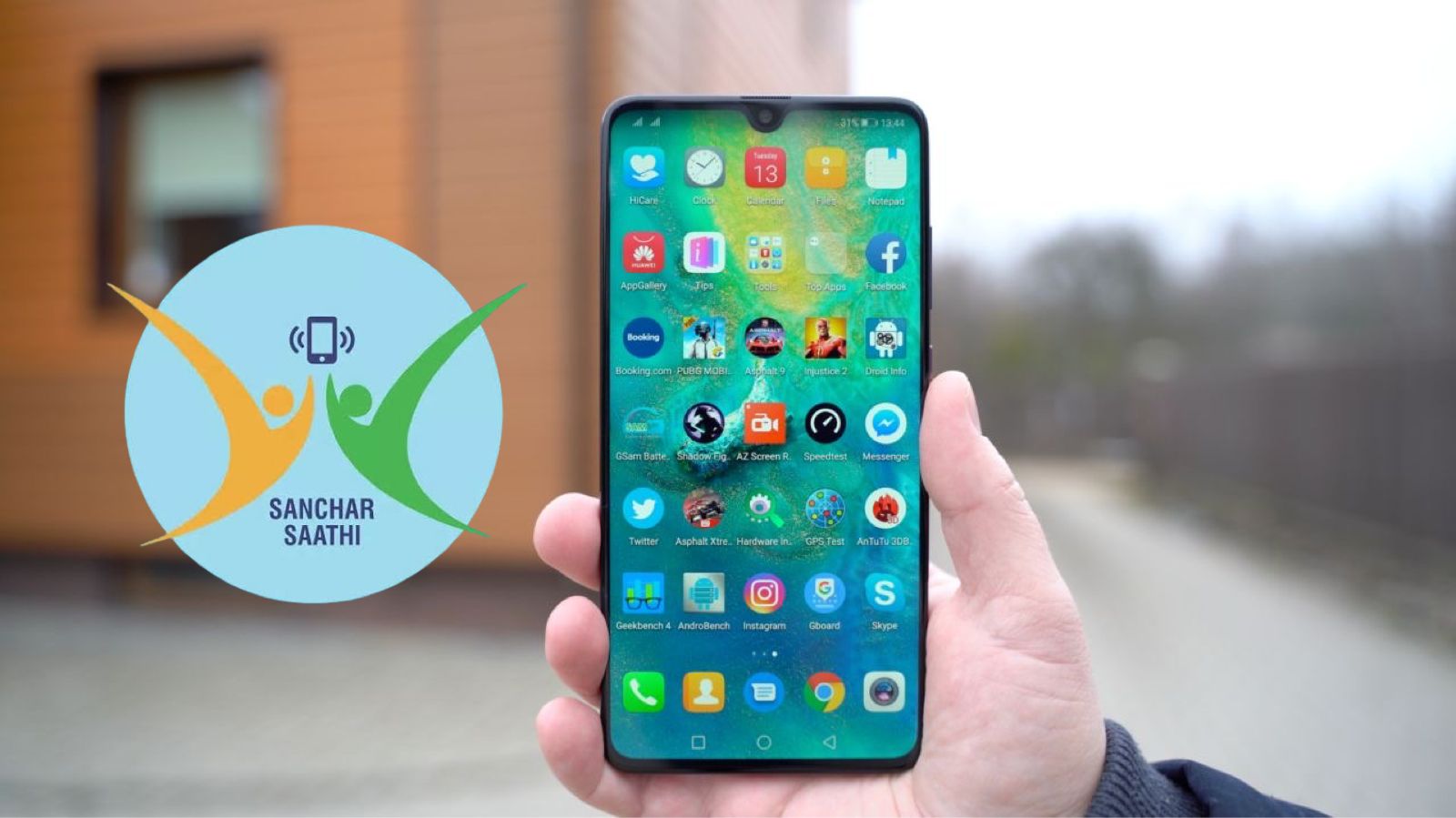

In a move that could reshape India’s mobile security landscape, the Ministry of Communications has directed major smartphone manufacturers, including Apple, Samsung, Xiaomi, Vivo and Oppo, to pre-install the government-owned cybersecurity app Sanchar Saathi on all new devices sold in the country.
According to a Reuters report, companies have been given 90 days to comply, and the app must come with a mandatory provision that users cannot disable it. The order, which was sent privately to phone makers rather than issued publicly, also requires manufacturers to roll out software updates to install the app on devices already in the supply chain.
The directive has sparked immediate concern within the industry, particularly from Apple, which traditionally resists pre-installation of non-Apple apps and has previously clashed with Indian regulators over similar demands.
While the decision is expected to trigger debates around privacy, compliance and user rights, the government argues that the mandate is necessary to counter rising cyber threats, mobile fraud and misuse of telecom infrastructure. To understand the significance of this move, it is essential to examine what Sanchar Saathi does, how it works and why India considers it a core component of its telecom security strategy.
What is Sanchar Saathi?
Sanchar Saathi began as a web portal launched by the Department of Telecommunications (DoT) in May 2023. In January 2024, the government expanded its reach by introducing the Sanchar Saathi mobile app for Android and iOS, transforming it into a comprehensive public tool against mobile-related crimes. At its heart, the app is designed to help users protect themselves from mobile theft, fraud and identity misuse.

One of the app’s primary capabilities is enabling users to block lost or stolen mobile phones. When a device is reported through Sanchar Saathi, telecom operators across India are instructed to block its IMEI number, which disables the phone on all networks. If someone attempts to use the blocked phone anywhere in the country, law enforcement agencies can trace its location. This mechanism severely restricts the resale of stolen devices and helps police crack theft networks.
Sanchar Saathi also includes a fraud-reporting feature called Chakshu. This facility allows users to report suspicious calls, phishing SMS, scam WhatsApp messages and fraudulent links. The reports help authorities identify high-risk numbers and patterns of criminal activity, enabling proactive blocking or investigation by telecom and law enforcement agencies.
Another valuable function of the app is the ability to verify all mobile numbers registered under an individual’s identity. Many users remain unaware of how many SIM cards have been issued in their name, often leading to cases of impersonation, SIM misuse or financial fraud. Sanchar Saathi displays these linked numbers and allows users to raise complaints against those they do not recognise, helping prevent identity theft or illicit use of their documents.
The app also assists users in verifying the authenticity of their mobile devices through the Know Your Mobile (KYM) feature. KYM enables users to check whether their handset’s IMEI is genuine, whether the device was reported stolen earlier or if it might be a counterfeit or cloned phone. This protects consumers from unknowingly purchasing blacklisted or illegally altered devices, especially from the grey market.
Why the government wants Sanchar Saathi pre-installed
The government’s mandate for pre-installing Sanchar Saathi stems from concerns over the growing threat posed by duplicate and spoofed IMEI numbers. The confidential order describes this as a “serious endangerment” to telecom cybersecurity. Criminal networks often clone or spoof IMEIs to evade tracking, commit fraud or resell stolen phones. This manipulation of a device’s identity undermines law enforcement efforts and enables large-scale telecom scams.
By ensuring Sanchar Saathi is present on every smartphone and cannot be disabled, the government aims to create a universal detection layer against IMEI tampering. A non-removable app guarantees that the system’s fraud-reporting and verification features remain active across all devices, strengthening India’s ability to monitor misuse and intervene quickly when needed.
The government’s confidence in mandating the app also stems from its track record. Since its launch, Sanchar Saathi has helped block more than 3.7 million stolen or lost phones and recover over 700,000 devices. October alone accounted for 50,000 recoveries. Additionally, the app has led to the termination of more than 30 million fraudulent mobile connections, demonstrating its impact on curbing widespread telecom misuse. With more than 5 million downloads already, the app has proven effective as a public-security tool in a country with over 1.2 billion mobile subscribers.
The push for pre-installation is also driven by the need to bolster national security and counter cybercrime. India has witnessed a sharp increase in online financial fraud, SIM-based scams, WhatsApp impersonation cases and international criminal syndicates operating via Indian telecom infrastructure. By integrating IMEI blocking, fraud reporting, number verification and device authenticity checks into a single ecosystem, the government hopes to create a centralised cyber-security grid capable of detecting suspicious patterns across networks in real time.
Another advantage of universal installation is improved coordination among telecom companies, law enforcement agencies and cybercrime units. Sanchar Saathi allows immediate sharing of device and fraud-related information, enabling faster investigation and quicker recovery of stolen phones. With the app present on all devices, authorities expect a more seamless and standardised reporting process.
Why smartphone companies are concerned
Despite its security potential, the directive has raised industry concerns. Apple, in particular, faces a direct policy conflict. The company’s global rules prohibit pre-installing third-party or government apps before sale, setting the stage for a possible standoff similar to its earlier clash with Indian regulators over the TRAI anti-spam app.
Privacy advocates have also flagged potential issues, arguing that a mandatory government app could raise fears of excessive data access, surveillance or overreach. Although the government asserts that Sanchar Saathi only collects essential information related to device identity, fraud reporting and IMEI verification, the challenge will be to maintain transparency and reassure users about data protection.
Sanchar Saathi represents one of India’s most ambitious efforts to secure its sprawling telecom ecosystem. Its success in reducing fraud and phone theft has convinced the government that universal deployment is necessary.
How smartphone companies respond in the coming months, and how the government balances security with user autonomy, will determine whether Sanchar Saathi becomes a widely accepted safeguard or a point of contention in India’s evolving digital landscape.