Scientists just created a Black Hole-like energy system in a lab without moving anything, recreating a 50-year-old theory that could transform future communication and quantum technology
In a groundbreaking experiment, scientists have successfully replicated the extreme conditions found around black holes in a controlled laboratory environment. This remarkable feat validates theories regarding energy harnessing from rotating black holes. By artificially inducing rotation in a fixed apparatus, they effectively simulated cosmic energy mechanisms. This pivotal advancement holds promise for innovations in communication technologies and quantum computing, bridging the gap between intricate astrophysical theories and tangible scientific application.
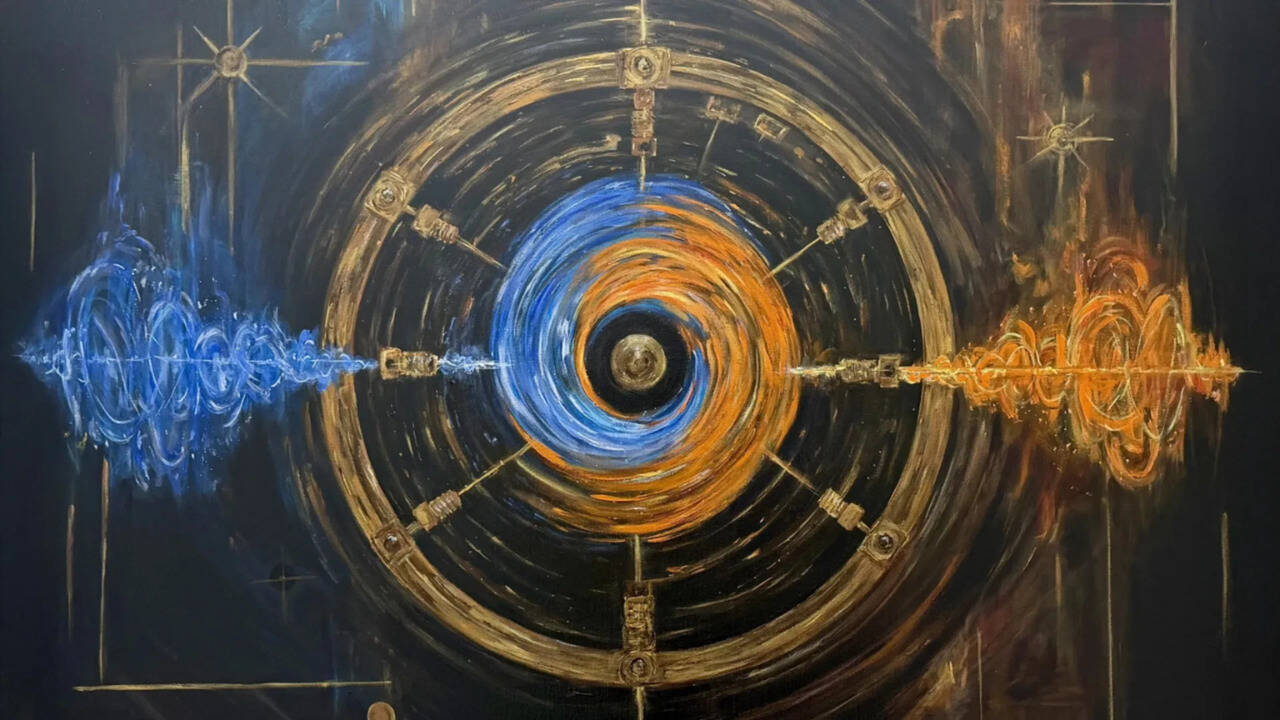
In a groundbreaking experiment, scientists have successfully replicated the extreme conditions found around black holes in a controlled laboratory environment. This remarkable feat validates theories regarding energy harnessing from rotating black holes. By artificially inducing rotation in a fixed apparatus, they effectively simulated cosmic energy mechanisms. This pivotal advancement holds promise for innovations in communication technologies and quantum computing, bridging the gap between intricate astrophysical theories and tangible scientific application.