People may not need to touch Florida’s toxic algae blooms to be exposed; scientists found their toxins travelling through the air
Recent research reveals the presence of cyanobacterial toxins in the air of Southwest Florida, matching those found in dolphins displaying Alzheimer's characteristics. This airborne contamination indicates that inhabitants may be exposed to lower concentrations of these toxins, which are believed to heighten the chances of ALS and various ailments. Unlike food-related toxins, mitigating exposure through breath poses a significant and complex challenge.
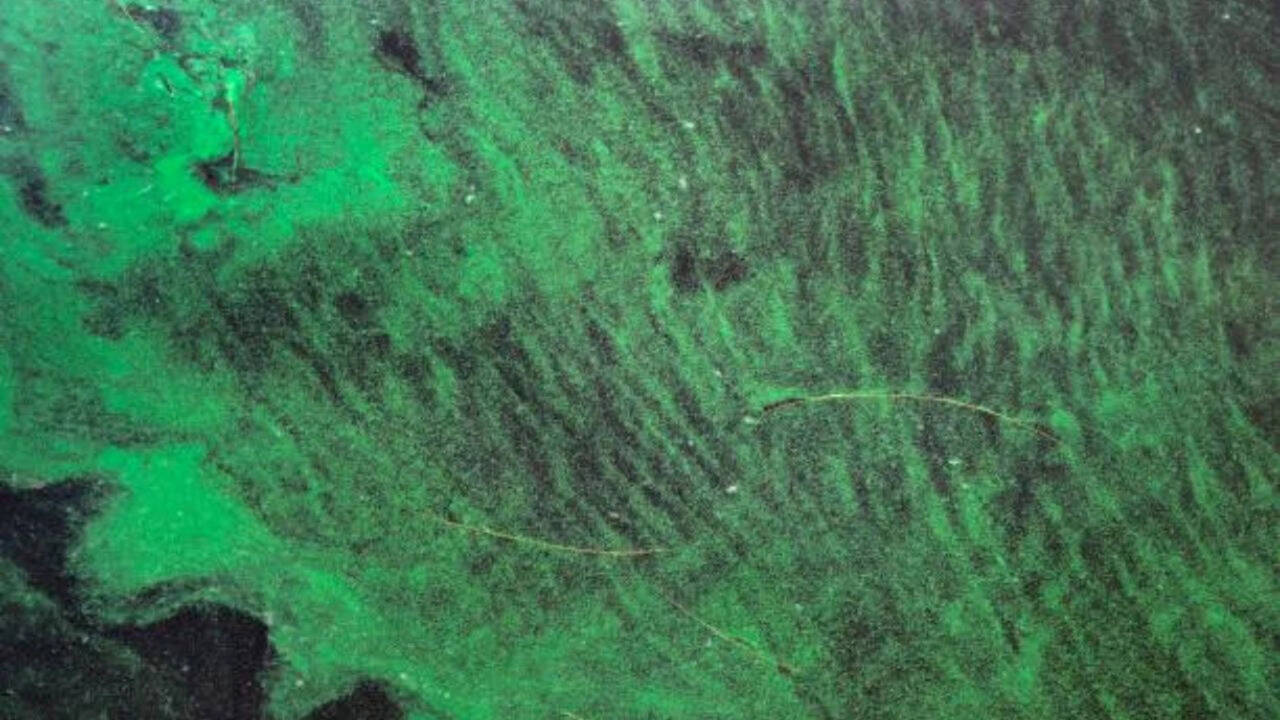
Recent research reveals the presence of cyanobacterial toxins in the air of Southwest Florida, matching those found in dolphins displaying Alzheimer's characteristics. This airborne contamination indicates that inhabitants may be exposed to lower concentrations of these toxins, which are believed to heighten the chances of ALS and various ailments. Unlike food-related toxins, mitigating exposure through breath poses a significant and complex challenge.