‘Our Tahir Hussain is innocent, Allah knows’: Neighbours rally behind Ankit Sharma’s killer as OpIndia visits Chand Bagh after conviction
Nearly six years after the anti-Hindu riots in Delhi, the court has convicted five people, including former Aam Aadmi Party (AAP) councillor Tahir Hussain, in the murder case of IB officer Ankit Sharma. Following the verdict, OpIndia once again reached in front of Tahir Hussain’s multi-storey building, from where the rioters had not only selectively targeted Hindus but had also dragged IB officer Ankit Sharma into the house and stabbed him to death. After this, Ankit Sharma’s body was thrown into a nearby drain. Nearly six years after the incident, OpIndia’s team visited Chand Bagh, the same area affected by the anti-Hindu riots in Delhi, where Tahir Hussain, convicted of killing Ankit Sharma, lives. We found that 60 Feet Road was bustling with traffic as usual, and the market was fully open. Drain construction was underway on both sides of the road. On 13th July, the court recently found Tahir Hussain and four others guilty in the murder case, while acquitting six of the 12 accused. The sentencing is yet to be announced. During the visit, OpIndia spoke to several residents of the area, many of whom had differing views about the court’s decision and the events that unfolded during the riots. One Muslim shopkeeper, who said he had witnessed the violence firsthand, recalled the atmosphere in the locality during those days. “I saw the scene with my own eyes. There was a huge crowd outside, and people were pelting stones at each other,” he said, adding that he runs a shop in one of the lanes nearby. When asked about Tahir Hussain being convicted, he responded cautiously, saying, “It is the court’s decision, and I cannot say anything about it.” Muslim residents react to the court’s verdict Hafiz, standing at a shop across the street from Tahir Hussain’s, said when we asked, “I wasn’t here at the time of the incident, but I’ve heard he’s innocent. Tahir Hussain has been framed for political reasons. Perhaps if he weren’t a councillor, this wouldn’t have happened.” Another man standing near a mosque close to the drain where Sharma’s body was recovered also questioned the interpretation of evidence in the case. “If the decision has been taken according to the law, then it is right,” he said before adding, “But nobody here is accepting the evidence. Here, if something is black today, it can become white tomorrow, and if something is white, it can become red later.” Mohammad Hanif, an elderly tailor who runs his shop in a predominantly Hindu neighbourhood nearby, said he was not present in the area during the violence, but his own shop had suffered damage. “I cannot comment on the court’s decision because I was not here at that time, but my shop was also set on fire,” he said. Hanif also claimed that Tahir Hussain had left his house under police supervision during the riots. “Tahir Hussain is not responsible for Ankit Sharma’s murder. It was the crowd that did whatever happened,” he said. What did the OpIndia team see in Tahir Hussain’s house? OpIndia’s team also visited Tahir Hussain’s four-storey building, the roof of which hundreds of Muslim rioters had climbed to target Hindus. Two signboards bearing the name “Show Effect Advertising Work” were visible on the large iron gate outside the building. Upon inquiry, we learned that the building houses several small factories and is also home to numerous tenants. After entering the gate, we attempted to ascend to the roof. On the same rooftop where the police had recovered a large slingshot, petrol bombs, and a large quantity of bricks and stones, a watchman named Islam stopped us before we could climb the stairs and refused to let us go up. When we asked about the court’s decision, he told us that the court had wrongly convicted Tahir Hussain. He strongly defended Tahir Hussain and questioned the investigation. “He does not do wrong things. He used to work with wood,” Islam said. “The police administration collected false evidence to trap Tahir. The present government is targeting him. Even Arvind Kejriwal did not support him and instead allowed him to be framed.” Islam further alleged that the materials recovered from the building had been planted. “Bricks, stones, catapults and bombs were all placed here as part of a conspiracy to frame him. There was nothing here. The crowd forcibly entered the house and climbed to the roof,” he claimed. During the visit, OpIndia also spoke to a man named Munna, who was coming downstairs from the terrace with his wife. He identified himself as Tahir Hussain’s uncle. “Our Tahir is innocent. Allah knows everything. He is being trapped. He has never even slapped anyone in his life,” he said. Munna’s wife echoed his remarks and became emotional while speaking about the court’s decision. “He has never even killed a mouse,” she said. “We have raised him since childhood. He has always helped poor girls get married.” Speaking about the conviction, she added, “Since yesterday,
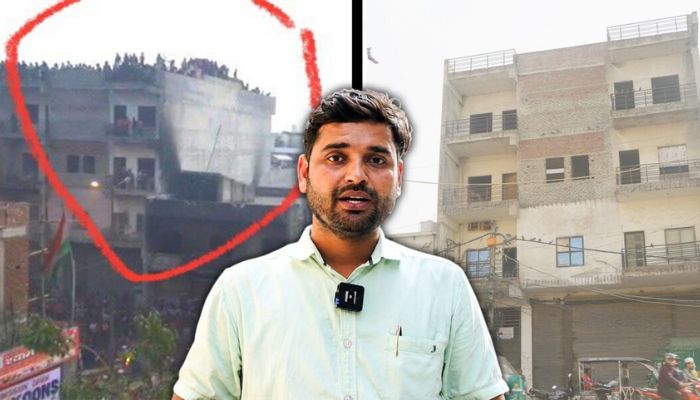
Nearly six years after the anti-Hindu riots in Delhi, the court has convicted five people, including former Aam Aadmi Party (AAP) councillor Tahir Hussain, in the murder case of IB officer Ankit Sharma. Following the verdict, OpIndia once again reached in front of Tahir Hussain’s multi-storey building, from where the rioters had not only selectively targeted Hindus but had also dragged IB officer Ankit Sharma into the house and stabbed him to death. After this, Ankit Sharma’s body was thrown into a nearby drain.
Nearly six years after the incident, OpIndia’s team visited Chand Bagh, the same area affected by the anti-Hindu riots in Delhi, where Tahir Hussain, convicted of killing Ankit Sharma, lives. We found that 60 Feet Road was bustling with traffic as usual, and the market was fully open. Drain construction was underway on both sides of the road.
On 13th July, the court recently found Tahir Hussain and four others guilty in the murder case, while acquitting six of the 12 accused. The sentencing is yet to be announced.
During the visit, OpIndia spoke to several residents of the area, many of whom had differing views about the court’s decision and the events that unfolded during the riots.
One Muslim shopkeeper, who said he had witnessed the violence firsthand, recalled the atmosphere in the locality during those days. “I saw the scene with my own eyes. There was a huge crowd outside, and people were pelting stones at each other,” he said, adding that he runs a shop in one of the lanes nearby. When asked about Tahir Hussain being convicted, he responded cautiously, saying, “It is the court’s decision, and I cannot say anything about it.”
Muslim residents react to the court’s verdict
Hafiz, standing at a shop across the street from Tahir Hussain’s, said when we asked, “I wasn’t here at the time of the incident, but I’ve heard he’s innocent. Tahir Hussain has been framed for political reasons. Perhaps if he weren’t a councillor, this wouldn’t have happened.”
Another man standing near a mosque close to the drain where Sharma’s body was recovered also questioned the interpretation of evidence in the case.
“If the decision has been taken according to the law, then it is right,” he said before adding, “But nobody here is accepting the evidence. Here, if something is black today, it can become white tomorrow, and if something is white, it can become red later.”
Mohammad Hanif, an elderly tailor who runs his shop in a predominantly Hindu neighbourhood nearby, said he was not present in the area during the violence, but his own shop had suffered damage.
“I cannot comment on the court’s decision because I was not here at that time, but my shop was also set on fire,” he said.
Hanif also claimed that Tahir Hussain had left his house under police supervision during the riots. “Tahir Hussain is not responsible for Ankit Sharma’s murder. It was the crowd that did whatever happened,” he said.
What did the OpIndia team see in Tahir Hussain’s house?
OpIndia’s team also visited Tahir Hussain’s four-storey building, the roof of which hundreds of Muslim rioters had climbed to target Hindus. Two signboards bearing the name “Show Effect Advertising Work” were visible on the large iron gate outside the building. Upon inquiry, we learned that the building houses several small factories and is also home to numerous tenants. After entering the gate, we attempted to ascend to the roof.
On the same rooftop where the police had recovered a large slingshot, petrol bombs, and a large quantity of bricks and stones, a watchman named Islam stopped us before we could climb the stairs and refused to let us go up. When we asked about the court’s decision, he told us that the court had wrongly convicted Tahir Hussain.
He strongly defended Tahir Hussain and questioned the investigation. “He does not do wrong things. He used to work with wood,” Islam said.
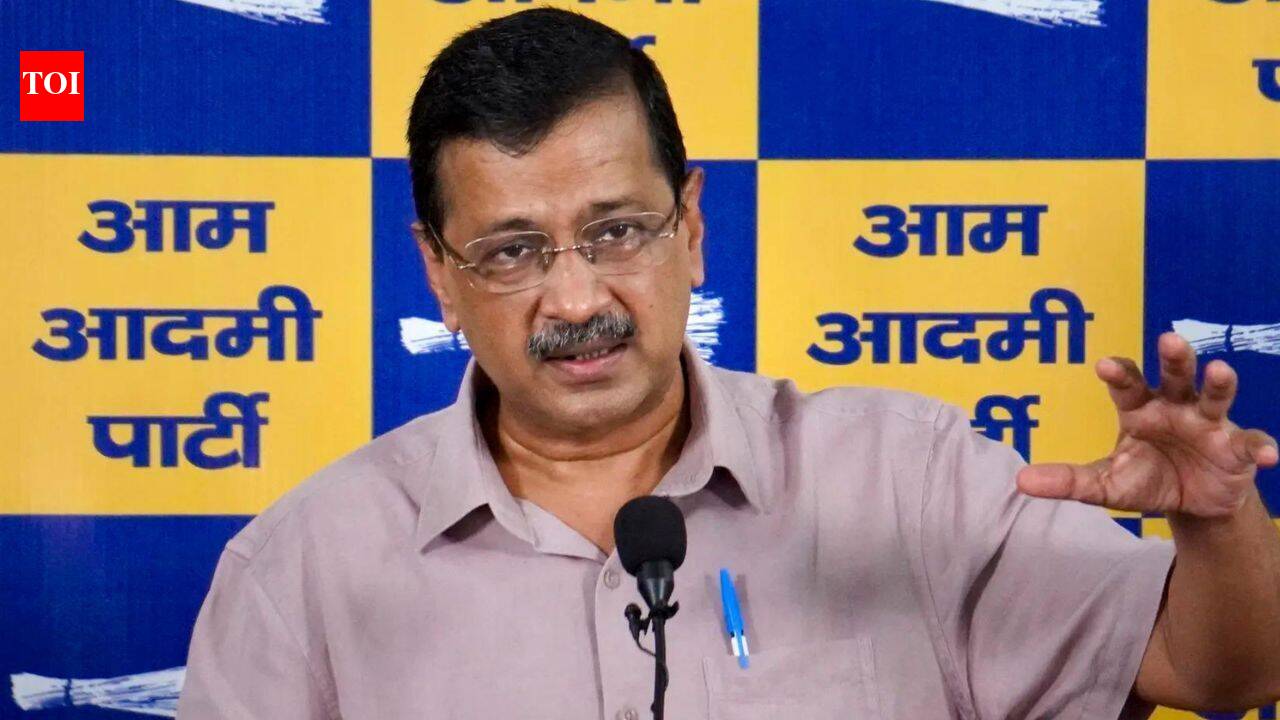
“The police administration collected false evidence to trap Tahir. The present government is targeting him. Even Arvind Kejriwal did not support him and instead allowed him to be framed.” Islam further alleged that the materials recovered from the building had been planted.
“Bricks, stones, catapults and bombs were all placed here as part of a conspiracy to frame him. There was nothing here. The crowd forcibly entered the house and climbed to the roof,” he claimed.
During the visit, OpIndia also spoke to a man named Munna, who was coming downstairs from the terrace with his wife. He identified himself as Tahir Hussain’s uncle.
“Our Tahir is innocent. Allah knows everything. He is being trapped. He has never even slapped anyone in his life,” he said. Munna’s wife echoed his remarks and became emotional while speaking about the court’s decision.
“He has never even killed a mouse,” she said. “We have raised him since childhood. He has always helped poor girls get married.”
Speaking about the conviction, she added, “Since yesterday, after the court order came, the whole family has been shattered. We cannot even say anything to anyone. We just want justice for our Tahir.” She also said that the family did not know who had killed Ankit Sharma.
The case that continues to shape memories of the anti-Hindu Delhi riots
The anti-Hindu riots in North-East Delhi broke out in February 2020 during protests and counter-protests linked to the Citizenship Amendment Act (CAA) and the proposed National Register of Citizens (NRC). The violence spread across several areas, including Mustafabad, Shiv Vihar, Jaffrabad, Seelampur and Chand Bagh.
More than 50 people lost their lives in the clashes, while homes, shops and vehicles were damaged or destroyed.
Among the incidents that drew national attention was the killing of IB staffer Ankit Sharma, whose body was later recovered from a drain near Chand Bagh.
With the conviction of Tahir Hussain and four others nearly six years later, the case has once again brought attention back to one of the most debated episodes of the 2020 Delhi riots. While the court has delivered its verdict on guilt, the final sentencing in the case is still awaited.
(This article is a translation of the original article published on OpIndia Hindi.)