Operation Roaring Lion: Why the US and Israel chose this moment to strike Iran and how it signals a strategic shift in West Asia’s power balance
The United States and Israel began military action against Iran’s Islamic regime on 28 February 2026. As a response, Iran started attacking Israel, the United States and moderate Arab countries in the region. Iran has tried to target the global economy by closing the Strait of Hormuz. I understand that the Gulf countries are extremely important for India. We are also concerned about the safety of nearly 10 million Indians living in these countries, about Indian farmers who depend on fertilisers coming from the Gulf, about the markets in that region, and about India’s energy security. Since India is a very close friend of Israel, if India is affected by this war, Israel cannot remain untouched by its consequences. To understand why “Operation Roaring Lion” was necessary and why it was launched now, one must look at the past and present behaviour of Iran’s ruling regime. It is also important to consider what might happen in the future if it is not contained. Forty-seven years ago, in 1979, an Islamic revolution in Iran brought fundamentalists to power. From the very beginning, this theocratic regime oppressed its citizens and denied them basic human rights. Internationally as well, it has used terrorism as a tool to pursue its objectives. After taking American diplomats hostage in 1979 and orchestrating suicide attacks through Hezbollah against hundreds of American, French, and Israeli citizens in Lebanon during the 1980s, Iran became the world’s largest state sponsor of terrorism. This destructive terrorist network operates not only in the Middle East but across the globe. Iran has provided money, weapons, training, and strategic guidance to its proxy terrorist groups—Hezbollah, Hamas, militias in Iraq and Syria, and the Houthis in Yemen. In addition, its terrorist networks have spread to South America, Asia, and Africa. The clerics who rule Iran follow an ideology so extreme that it is difficult to comprehend. This extremism is evident even in their treatment of their own citizens. The regime has imprisoned countless women for not wearing the hijab “properly.” People who protested peacefully against the regime have been shot dead or executed. In Iran, burning the flags of the United States and Israel and chanting slogans calling for their destruction is a routine occurrence at public events. In recent years, Iran’s economic situation has deteriorated severely. Ordinary citizens struggle to meet their basic needs. Even in the capital, Tehran, water and electricity supply are limited. Yet the country’s leadership has spent billions of dollars supporting terrorist organisations and wasting resources. These actions have only resulted in tougher international sanctions against Iran. Instead of stabilising the economy, Iran’s rulers accelerated their nuclear weapons program and increased the production of long-range ballistic missiles. These two reasons are why “Operation Roaring Lion” was launched at this time. Last June, Israel and the United States carried out airstrikes on Iran’s nuclear development facilities in an attempt to reduce the threat. We believed that this action would cause Iran to halt its efforts. Instead, Iran’s leadership pretended to negotiate with the United States while simultaneously beginning to construct its military nuclear facilities and ballistic missile production sites deep underground so that they would become impossible to neutralise. Therefore, it became necessary to eliminate these urgent threats to Israel’s very existence before their plans could be completed. Although Iran’s Islamic regime openly seeks the destruction of Israel, its threat is not limited to Israel alone. Iran has also created dangers for other countries in the Gulf. Evidence of this can be seen in its missile attacks on its Arab neighbours. At the same time, Iran has demonstrated the capability to strike targets in Europe with long-range missiles and continues to develop technologies that could reach the United States. Allowing such destructive weapons to fall into the hands of a regime that has worked for 47 years toward our destruction would be like inviting disaster. An unchecked theocracy that encourages terrorist organisations, fuels conflicts in neighbouring countries, and exports its Islamic revolution will only increase instability in West Asia and beyond. Such a regime could threaten any country that comes within the expanding range of its ballistic missiles. Moreover, Iran’s hardline rulers could establish permanent control over crucial global maritime routes used for transporting oil and gas, something that would be devastating for the global economy in the long run. Today, Iran’s attempt to punish the entire world by trying to close the Strait of Hormuz has shown that our concerns were justified. If Iran’s rulers succeed in their ambitions of nuclear weapons and ballistic missiles, it would become a nightmare for the world. Israel and the United States are determined
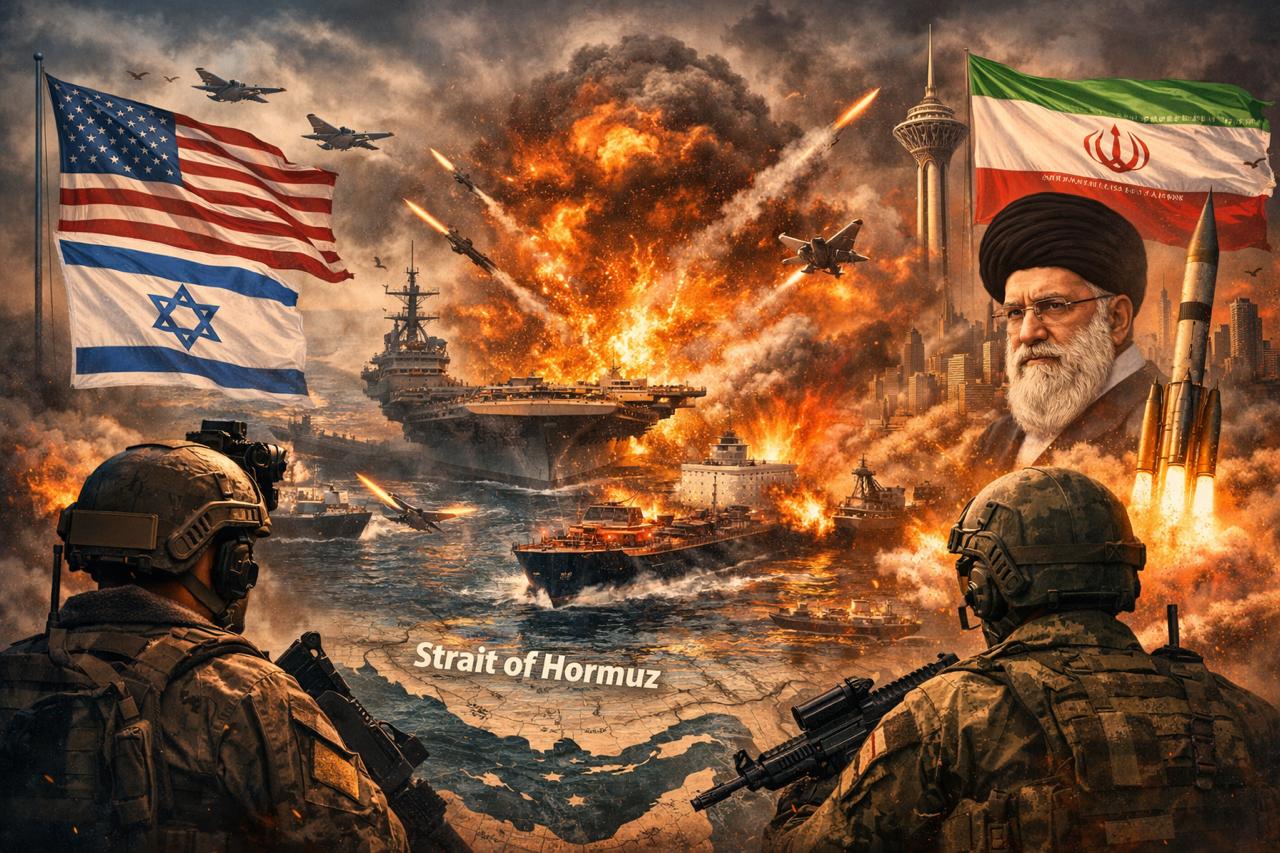
The United States and Israel began military action against Iran’s Islamic regime on 28 February 2026. As a response, Iran started attacking Israel, the United States and moderate Arab countries in the region. Iran has tried to target the global economy by closing the Strait of Hormuz. I understand that the Gulf countries are extremely important for India. We are also concerned about the safety of nearly 10 million Indians living in these countries, about Indian farmers who depend on fertilisers coming from the Gulf, about the markets in that region, and about India’s energy security. Since India is a very close friend of Israel, if India is affected by this war, Israel cannot remain untouched by its consequences.
To understand why “Operation Roaring Lion” was necessary and why it was launched now, one must look at the past and present behaviour of Iran’s ruling regime. It is also important to consider what might happen in the future if it is not contained.
Forty-seven years ago, in 1979, an Islamic revolution in Iran brought fundamentalists to power. From the very beginning, this theocratic regime oppressed its citizens and denied them basic human rights. Internationally as well, it has used terrorism as a tool to pursue its objectives. After taking American diplomats hostage in 1979 and orchestrating suicide attacks through Hezbollah against hundreds of American, French, and Israeli citizens in Lebanon during the 1980s, Iran became the world’s largest state sponsor of terrorism.
This destructive terrorist network operates not only in the Middle East but across the globe. Iran has provided money, weapons, training, and strategic guidance to its proxy terrorist groups—Hezbollah, Hamas, militias in Iraq and Syria, and the Houthis in Yemen. In addition, its terrorist networks have spread to South America, Asia, and Africa.
The clerics who rule Iran follow an ideology so extreme that it is difficult to comprehend. This extremism is evident even in their treatment of their own citizens. The regime has imprisoned countless women for not wearing the hijab “properly.” People who protested peacefully against the regime have been shot dead or executed. In Iran, burning the flags of the United States and Israel and chanting slogans calling for their destruction is a routine occurrence at public events.
In recent years, Iran’s economic situation has deteriorated severely. Ordinary citizens struggle to meet their basic needs. Even in the capital, Tehran, water and electricity supply are limited. Yet the country’s leadership has spent billions of dollars supporting terrorist organisations and wasting resources. These actions have only resulted in tougher international sanctions against Iran.
Instead of stabilising the economy, Iran’s rulers accelerated their nuclear weapons program and increased the production of long-range ballistic missiles. These two reasons are why “Operation Roaring Lion” was launched at this time. Last June, Israel and the United States carried out airstrikes on Iran’s nuclear development facilities in an attempt to reduce the threat. We believed that this action would cause Iran to halt its efforts. Instead, Iran’s leadership pretended to negotiate with the United States while simultaneously beginning to construct its military nuclear facilities and ballistic missile production sites deep underground so that they would become impossible to neutralise. Therefore, it became necessary to eliminate these urgent threats to Israel’s very existence before their plans could be completed.
Although Iran’s Islamic regime openly seeks the destruction of Israel, its threat is not limited to Israel alone. Iran has also created dangers for other countries in the Gulf. Evidence of this can be seen in its missile attacks on its Arab neighbours. At the same time, Iran has demonstrated the capability to strike targets in Europe with long-range missiles and continues to develop technologies that could reach the United States.
Allowing such destructive weapons to fall into the hands of a regime that has worked for 47 years toward our destruction would be like inviting disaster.
An unchecked theocracy that encourages terrorist organisations, fuels conflicts in neighbouring countries, and exports its Islamic revolution will only increase instability in West Asia and beyond. Such a regime could threaten any country that comes within the expanding range of its ballistic missiles. Moreover, Iran’s hardline rulers could establish permanent control over crucial global maritime routes used for transporting oil and gas, something that would be devastating for the global economy in the long run.
Today, Iran’s attempt to punish the entire world by trying to close the Strait of Hormuz has shown that our concerns were justified. If Iran’s rulers succeed in their ambitions of nuclear weapons and ballistic missiles, it would become a nightmare for the world. Israel and the United States are determined not to allow this nightmare to become reality. That is why our leaders have taken this difficult decision.
For both India and Israel, the IMEC (India–Middle East–Europe Corridor) and the I2U2 group (India, Israel, the UAE, and the United States) are extremely important. The biggest threat to these projects comes from Iran and the terrorist networks it has created in the Gulf region. Attacking countries that are not involved in the war, stopping the transport of crude oil, natural gas, and fertilisers from the Gulf to hold the global economy hostage, and then blaming the United States and Israel for it, this is like a thief crying foul. I am confident that the United States, India, Israel, and the Gulf countries will work together to overcome this crisis and transform the Gulf into a global centre of peace, stability, prosperity, and progress.