Madhu lynching case: Kerala HC acquits first accused Hussain for the mob killing of a tribal man, upholds convictions of 12 others. Read how the Attappady case exposed cracks in the ‘Dalit-Muslim unity’ narrative
In a major development in the 2018 Attappady mob lynching case that sparked outrage across the country, the Kerala High Court on Monday acquitted Hussain, the first accused in the killing of Madhu, a mentally challenged tribal youth who was brutally assaulted by a mob over suspicion of theft of food items. The verdict was delivered by a Division Bench comprising Justice Raja Vijayaraghavan V. and Justice K.V. Jayakumarwhile hearing appeals filed by the convicts, the State government and Madhu’s mother Malli. The High Court refused to interfere with the acquittals of accused numbers 4 and 11, Aneesh and Abdul Kareem respectively. However, it upheld the convictions of Marakkar, Shamsudheen, Radhakrishnan, Aboobacker, Sidhique, Ubaid, Najeeb, Jaijumon, Sajeev, Satheesh, Hareesh and Biju. The court also expanded the scope of criminal liability by holding the convicted persons guilty under Sections 3(2)(v) and 3(2)(va) of the Scheduled Castes and Scheduled Tribes (Prevention of Atrocities) Act, in addition to IPC provisions including Sections 304 Part II, 326, 367, 323, 324, 342, 143, 147 and 149. Accused number 16, Muneer, who was earlier convicted only under Section 352 IPC, was also found guilty under Section 3(2)(va) of the SC/ST Act read with Section 323 IPC. A detailed judgment is awaited. The matter was later listed for hearing on modified sentences. Hussain’s challenge before the Kerala HC Hussain had challenged his conviction on the grounds that he was not part of the group that initially entered the forest area and brought Madhu to Mukkali, where he was assaulted. According to the prosecution, Hussain later joined the crowd and stamped on Madhu’s chest, causing his head to strike a wall. Medical evidence had suggested that the injuries contributed to the victim’s death. His legal team, however, argued that there was no evidence showing any prior hostility toward Madhu or any reason for him to be associated with the unlawful assembly. The defence had also highlighted that the trial court had not found him guilty under provisions of the SC/ST Act. The High Court accepted his appeal and acquitted him. Background of the case The case dates back to February 22, 2018, when Madhu, a 27-year-old tribal youth from Attappady in Kerala’s Palakkad district, was lynched by an Islamist mob over suspicion of stealing food items, including rice, from a local shop. Madhu, who was mentally challenged and maintained limited contact with his family, was living in and around forest regions in Attappady. According to investigators, he was found hiding near the forest area by a group of local residents who detained him and subjected him to severe assault before handing him over to police. The prosecution stated that Madhu sustained serious injuries, including head trauma, fractured ribs and internal bleeding. He later collapsed while being taken to hospital and succumbed to his injuries. The incident triggered widespread outrage after photographs from the scene surfaced online. Among the images that drew sharp public criticism was one showing Madhu visibly injured and distressed while a man, identified as Ubaid, stood beside him taking a selfie. Police later arrested Mukkali Thodiyil Ubaid Ummar and named him among the accused in the case. He was booked under provisions of the IPC, the SC/ST Act and Information Technology laws related to circulation of pictures and videos of the incident. Reports at the time had also raised questions over alleged political links of some accused persons. Allegations emerged that Ubaid had connections with the Indian Union Muslim League. However, then-MLA N. Samsudheen denied any formal association and stated that Ubaid had only participated in election-related activities. Trial delays and allegations surrounding prosecution The case later witnessed repeated delays during trial proceedings, leading to criticism from the victim’s family and activists. In January 2022, the Mannarkkad Special Court under the SC/ST Act reportedly questioned the repeated absence of the Special Public Prosecutor appointed to represent Madhu. The court had earlier postponed hearings after the prosecutor failed to appear on multiple occasions. Advocate V.T. Raghunath, who had been appointed as the special prosecutor in August 2019, reportedly did not appear before the court during the proceedings and later resigned citing medical reasons. The repeated absence of prosecutors contributed to delays in trial proceedings. Madhu’s family alleged that justice was being slowed down intentionally. Madhu’s mother Malli had publicly expressed frustration over the delay, stating that several years had passed since her son’s death while the trial itself struggled to move forward. The Special Investigation Team constituted after the incident had prepared a nearly 3,500-page chargesheet in May 2018 naming 16 accused individuals. Despite facing charges under murder provi
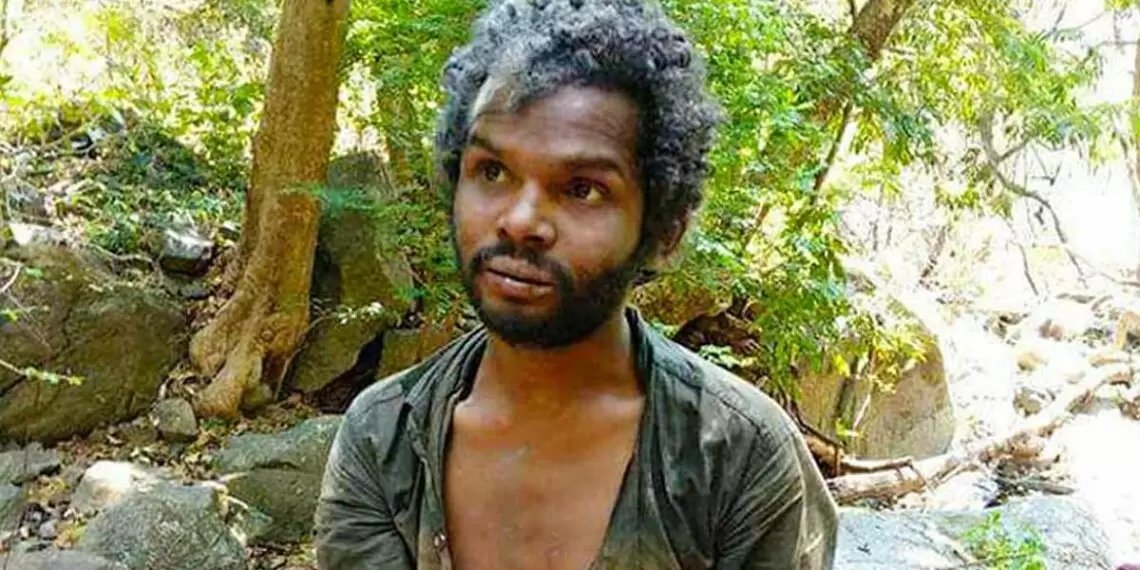
In a major development in the 2018 Attappady mob lynching case that sparked outrage across the country, the Kerala High Court on Monday acquitted Hussain, the first accused in the killing of Madhu, a mentally challenged tribal youth who was brutally assaulted by a mob over suspicion of theft of food items.
The verdict was delivered by a Division Bench comprising Justice Raja Vijayaraghavan V. and Justice K.V. Jayakumarwhile hearing appeals filed by the convicts, the State government and Madhu’s mother Malli.
The High Court refused to interfere with the acquittals of accused numbers 4 and 11, Aneesh and Abdul Kareem respectively. However, it upheld the convictions of Marakkar, Shamsudheen, Radhakrishnan, Aboobacker, Sidhique, Ubaid, Najeeb, Jaijumon, Sajeev, Satheesh, Hareesh and Biju.
The court also expanded the scope of criminal liability by holding the convicted persons guilty under Sections 3(2)(v) and 3(2)(va) of the Scheduled Castes and Scheduled Tribes (Prevention of Atrocities) Act, in addition to IPC provisions including Sections 304 Part II, 326, 367, 323, 324, 342, 143, 147 and 149. Accused number 16, Muneer, who was earlier convicted only under Section 352 IPC, was also found guilty under Section 3(2)(va) of the SC/ST Act read with Section 323 IPC.
A detailed judgment is awaited. The matter was later listed for hearing on modified sentences.
Hussain’s challenge before the Kerala HC
Hussain had challenged his conviction on the grounds that he was not part of the group that initially entered the forest area and brought Madhu to Mukkali, where he was assaulted.
According to the prosecution, Hussain later joined the crowd and stamped on Madhu’s chest, causing his head to strike a wall. Medical evidence had suggested that the injuries contributed to the victim’s death.
His legal team, however, argued that there was no evidence showing any prior hostility toward Madhu or any reason for him to be associated with the unlawful assembly. The defence had also highlighted that the trial court had not found him guilty under provisions of the SC/ST Act.
The High Court accepted his appeal and acquitted him.
Background of the case
The case dates back to February 22, 2018, when Madhu, a 27-year-old tribal youth from Attappady in Kerala’s Palakkad district, was lynched by an Islamist mob over suspicion of stealing food items, including rice, from a local shop.
Madhu, who was mentally challenged and maintained limited contact with his family, was living in and around forest regions in Attappady. According to investigators, he was found hiding near the forest area by a group of local residents who detained him and subjected him to severe assault before handing him over to police.
The prosecution stated that Madhu sustained serious injuries, including head trauma, fractured ribs and internal bleeding. He later collapsed while being taken to hospital and succumbed to his injuries.
The incident triggered widespread outrage after photographs from the scene surfaced online. Among the images that drew sharp public criticism was one showing Madhu visibly injured and distressed while a man, identified as Ubaid, stood beside him taking a selfie. Police later arrested Mukkali Thodiyil Ubaid Ummar and named him among the accused in the case. He was booked under provisions of the IPC, the SC/ST Act and Information Technology laws related to circulation of pictures and videos of the incident.
Reports at the time had also raised questions over alleged political links of some accused persons. Allegations emerged that Ubaid had connections with the Indian Union Muslim League. However, then-MLA N. Samsudheen denied any formal association and stated that Ubaid had only participated in election-related activities.
Trial delays and allegations surrounding prosecution
The case later witnessed repeated delays during trial proceedings, leading to criticism from the victim’s family and activists.
In January 2022, the Mannarkkad Special Court under the SC/ST Act reportedly questioned the repeated absence of the Special Public Prosecutor appointed to represent Madhu. The court had earlier postponed hearings after the prosecutor failed to appear on multiple occasions.
Advocate V.T. Raghunath, who had been appointed as the special prosecutor in August 2019, reportedly did not appear before the court during the proceedings and later resigned citing medical reasons.
The repeated absence of prosecutors contributed to delays in trial proceedings. Madhu’s family alleged that justice was being slowed down intentionally. Madhu’s mother Malli had publicly expressed frustration over the delay, stating that several years had passed since her son’s death while the trial itself struggled to move forward.
The Special Investigation Team constituted after the incident had prepared a nearly 3,500-page chargesheet in May 2018 naming 16 accused individuals. Despite facing charges under murder provisions and the SC/ST (Prevention of Atrocities) Act, all accused had secured bail during the course of proceedings.
Questions were also raised by critics over delays in appointing a permanent prosecutor in the case. Political controversy surfaced after reports that one of the accused, Shamsuddin, had been elected as a branch secretary of the ruling Communist Party of India (Marxist) in September 2021, though the decision was later reportedly withdrawn following opposition.
Sections of Indian laws slapped on the accused
The accused were charged under multiple provisions of the Indian Penal Code dealing with offences ranging from unlawful assembly to homicide. These included Section 143 (unlawful assembly), Section 147 (rioting), Section 148 (rioting while armed with deadly weapons), Section 323 (voluntarily causing hurt), Section 324 (causing hurt through dangerous weapons), Section 326 (grievous hurt), Section 342 (wrongful confinement), Section 352 (assault), Section 364 (kidnapping or abduction with intent to murder), Section 367 (kidnapping to cause grievous hurt), Section 368 (wrongful confinement of a kidnapped person), and Section 302 read with Section 149 relating to murder committed by an unlawful assembly with a common objective.
The accused were also booked under provisions of the Scheduled Castes and Scheduled Tribes (Prevention of Atrocities) Act including Sections 3(1)(d), 3(1)(r), 3(1)(s), 3(2)(v), and 3(2)(va), which deal with offences committed against members of Scheduled Castes and Scheduled Tribes, including humiliation, discrimination and aggravated punishment for crimes committed on the basis of social identity.
The fragility of the ‘Dalit-Muslim unity’ construct
The Madhu lynching case has once again exposed the fragility of the much-publicised “Jai Bhim–Jai Meem” construct that sections of the left-liberal ecosystem have projected as a natural social and political alliance. For years, this framework has been marketed as an organic partnership between Dalits and Muslims, often with the larger political objective of creating a consolidated counterweight to Hindu electoral mobilisation. However, events on the ground frequently appear more complicated than the idealised narrative crafted in television studios and social media platforms.
The brutal killing of Madhu, a vulnerable tribal youth accused merely of stealing food items, raises uncomfortable questions for those who have championed such formulations. If solidarity is presented as a lived social reality rather than a political strategy, incidents like these become difficult to explain away. The issue is not merely the identity of the accused individuals; rather, it is whether political slogans can genuinely overcome entrenched social realities and local tensions.
The criticism becomes sharper because Madhu’s case does not exist in isolation. Several incidents in the past involving Dalit victims and Islamist perpetrators highlight the notion of “Dalit-Muslim unity” functions more as a political slogan amplified within left-wing echo chambers than as a reflection of social realities on the ground.