IndiGo in turmoil: What is behind India’s busiest airline’s nationwide operational breakdown? Explained
India’s busiest airline, IndiGo, has been hit by a wave of mass flight delays and cancellations this week, leaving thousands of passengers stranded across the country and forcing emergency interventions from aviation authorities. The disruption, one of the worst in recent years, has exposed how regulatory change and operational decisions collided to create a nationwide aviation crisis. What triggered the crisis? The chaos stems largely from the enforcement of updated Flight Duty Time Limitations (FDTL), stricter DGCA regulations designed to make air travel safer by reducing pilot fatigue. The rules mandate longer rest periods, tighter limits on flight duty hours, and significantly fewer night landings. Airlines must now rework crew rosters to remain compliant, and IndiGo, which runs the largest flight network in India, found itself scrambling to meet the new norms. Complicating matters further, the airline was already battling technology glitches and seasonal congestion, which combined with the rule changes to form a perfect operational storm. The result: widespread cancellations, heavily delayed departures, and terminal chaos across metros and regional hubs alike. Why IndiGo was hit the hardest IndiGo’s vast network, operating over 2,300 flights every single day, including a high volume of late-night and early-morning sectors, has long depended on squeezing maximum flying hours out of every aircraft. To sustain that pace, the airline built its roster around quick turnarounds and long operational windows, with pilots often handling multiple night landings and functioning on shorter rest intervals. But the new fatigue-management regulations have fundamentally disrupted this model. With stricter limits on duty hours and mandatory longer rest periods now in force, IndiGo’s tightly packed scheduling strategy has come under severe strain, exposing a shortage of deployable crew and triggering the spate of nationwide delays and cancellations. A Reuters report quoted sources as saying that IndiGo was already running short on crew, making its network extremely vulnerable the moment the new restrictions kicked in. Worse, scheduling software faults reportedly further disrupted roster management last weekend, compounding the operational chaos. Scale of the meltdown Over the past two days, more than 300 flights have been cancelled, while many others suffered delays running into several hours. The impact has been severe at airports in Bengaluru, Hyderabad, Mumbai, and Kolkata, where long queues, packed terminal halls and angry passengers became the norm. As of December 4, 2025, IndiGo flights are facing disruption across the country as the new rules kick in, forcing the airlines company to comply with them, which has invariably caused delays and chaos. Social media, meanwhile, has exploded with complaints, from lack of information and last-minute cancellations to passengers being stranded overnight without accommodation or meal support. Some flights showed “on-time” status on boards, only to be cancelled at the last minute. Others were delayed by 6–10 hours before being scrapped. The uncertainty has eroded trust in a carrier many had long considered reliable. X is replete with complaints about the delays passengers are facing at the airport. “Flights getting cancelled one after another, chaos at the gates, passengers arguing with crew, zero communication,” grumbled a social media user on X. IndiGo is in a terrible state right now.Flights getting cancelled one after another, chaos at the gates, passengers arguing with crew, zero communication.My own flight has been delayed with no clarity, we’ve been at the airport for 2 hours just waiting for any update.If… pic.twitter.com/X2K8Q5Hpyg— Arun Prabhudesai (@8ap) December 4, 2025 DGCA steps In Alarmed by the worsening situation, the DGCA has summoned IndiGo’s senior leadership to justify the scale of disruptions and lay out a credible recovery plan. The regulator noted a steep drop in the airline’s punctuality performance over recent weeks and is scrutinising whether IndiGo sufficiently planned for the new FDTL mandate. What IndiGo says The airline has publicly apologised, acknowledging “significant disruption” to operations and promising to normalise schedules within 48 hours through “calibrated adjustments.” It has said that customer support teams are assisting affected passengers with rebooking or refunds, though the situation on the ground suggests this response remains uneven. But even as these emergency measures get rolled out, the core structural issues remain: to comply with FDTL, IndiGo (and any large airline) must rebuilt roster-planning, hiring and crew pipelines, not just for short-term patching, but for long-term sustainability. What the crisis highlights The crisis highlights a deeper tension in India’s booming aviation market: airlines aggressively expanding operations without proportio
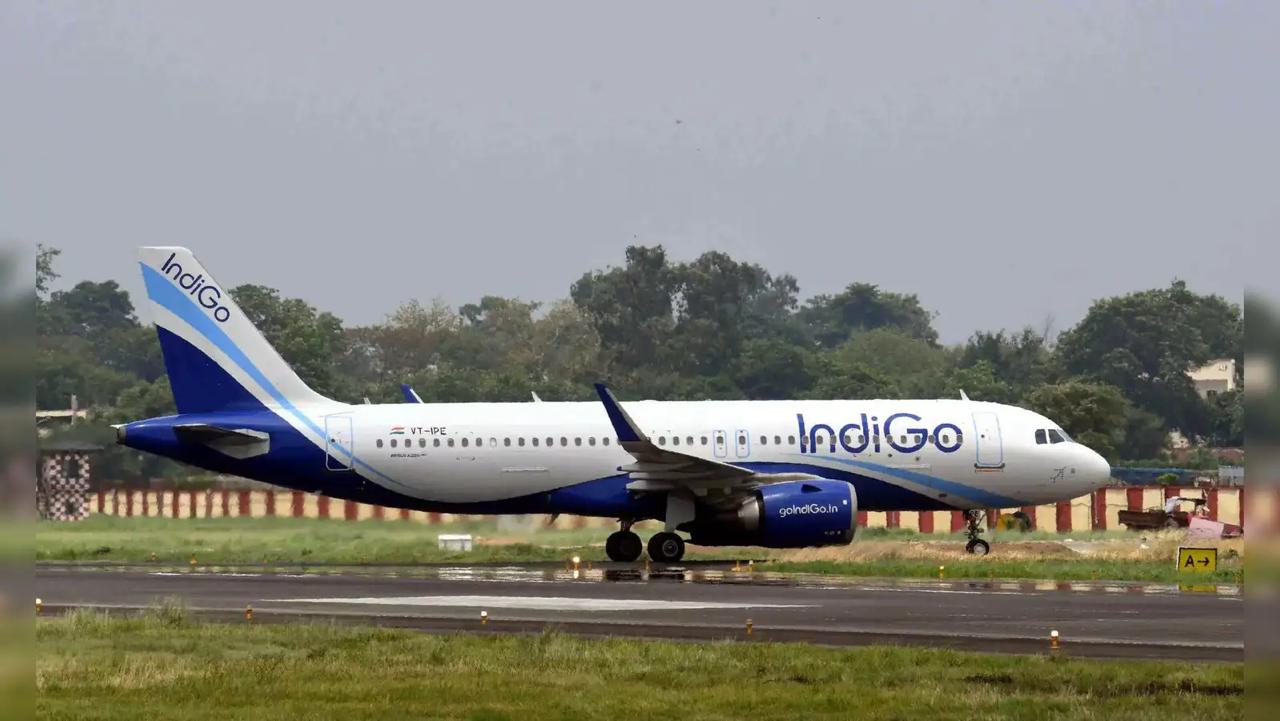

India’s busiest airline, IndiGo, has been hit by a wave of mass flight delays and cancellations this week, leaving thousands of passengers stranded across the country and forcing emergency interventions from aviation authorities.
The disruption, one of the worst in recent years, has exposed how regulatory change and operational decisions collided to create a nationwide aviation crisis.
What triggered the crisis?
The chaos stems largely from the enforcement of updated Flight Duty Time Limitations (FDTL), stricter DGCA regulations designed to make air travel safer by reducing pilot fatigue. The rules mandate longer rest periods, tighter limits on flight duty hours, and significantly fewer night landings.
Airlines must now rework crew rosters to remain compliant, and IndiGo, which runs the largest flight network in India, found itself scrambling to meet the new norms.
Complicating matters further, the airline was already battling technology glitches and seasonal congestion, which combined with the rule changes to form a perfect operational storm. The result: widespread cancellations, heavily delayed departures, and terminal chaos across metros and regional hubs alike.
Why IndiGo was hit the hardest
IndiGo’s vast network, operating over 2,300 flights every single day, including a high volume of late-night and early-morning sectors, has long depended on squeezing maximum flying hours out of every aircraft. To sustain that pace, the airline built its roster around quick turnarounds and long operational windows, with pilots often handling multiple night landings and functioning on shorter rest intervals.
But the new fatigue-management regulations have fundamentally disrupted this model. With stricter limits on duty hours and mandatory longer rest periods now in force, IndiGo’s tightly packed scheduling strategy has come under severe strain, exposing a shortage of deployable crew and triggering the spate of nationwide delays and cancellations.
A Reuters report quoted sources as saying that IndiGo was already running short on crew, making its network extremely vulnerable the moment the new restrictions kicked in. Worse, scheduling software faults reportedly further disrupted roster management last weekend, compounding the operational chaos.
Scale of the meltdown
Over the past two days, more than 300 flights have been cancelled, while many others suffered delays running into several hours. The impact has been severe at airports in Bengaluru, Hyderabad, Mumbai, and Kolkata, where long queues, packed terminal halls and angry passengers became the norm.
As of December 4, 2025, IndiGo flights are facing disruption across the country as the new rules kick in, forcing the airlines company to comply with them, which has invariably caused delays and chaos.
Social media, meanwhile, has exploded with complaints, from lack of information and last-minute cancellations to passengers being stranded overnight without accommodation or meal support.
Some flights showed “on-time” status on boards, only to be cancelled at the last minute. Others were delayed by 6–10 hours before being scrapped. The uncertainty has eroded trust in a carrier many had long considered reliable.
X is replete with complaints about the delays passengers are facing at the airport. “Flights getting cancelled one after another, chaos at the gates, passengers arguing with crew, zero communication,” grumbled a social media user on X.
IndiGo is in a terrible state right now.
— Arun Prabhudesai (@8ap) December 4, 2025
Flights getting cancelled one after another, chaos at the gates, passengers arguing with crew, zero communication.
My own flight has been delayed with no clarity, we’ve been at the airport for 2 hours just waiting for any update.
If… pic.twitter.com/X2K8Q5Hpyg
DGCA steps In
Alarmed by the worsening situation, the DGCA has summoned IndiGo’s senior leadership to justify the scale of disruptions and lay out a credible recovery plan. The regulator noted a steep drop in the airline’s punctuality performance over recent weeks and is scrutinising whether IndiGo sufficiently planned for the new FDTL mandate.
What IndiGo says
The airline has publicly apologised, acknowledging “significant disruption” to operations and promising to normalise schedules within 48 hours through “calibrated adjustments.” It has said that customer support teams are assisting affected passengers with rebooking or refunds, though the situation on the ground suggests this response remains uneven.
But even as these emergency measures get rolled out, the core structural issues remain: to comply with FDTL, IndiGo (and any large airline) must rebuilt roster-planning, hiring and crew pipelines, not just for short-term patching, but for long-term sustainability.
What the crisis highlights
The crisis highlights a deeper tension in India’s booming aviation market: airlines aggressively expanding operations without proportionately expanding crew capacity may now find themselves unable to comply with safety-driven norms without severe service disruptions.
Aviation experts warn that pilots flying beyond safe fatigue limits is not an option, and the current experience could push airlines to rethink lean staffing as a strategy.
What it means for passengers
IndiGo’s operational culture, focused on ultra-tight turnaround efficiency, has hit a regulatory wall. The airline must now prove that it can rebuild resilience into its network without compromising safety, cost-efficiency, or passenger trust.
For the moment, travellers are advised to check flight status before leaving home, keep essential supplies handy, and prepare for unpredictable delays until the issue settles.