In the early 1900s, fishermen at the edge of the Sahara saw a desert lake start to die back; by 2000, Lake Chad had shrunk by 90%, and a series of NASA studies traced the cause to a deadly combination of irrigation and a drying climate
Lake Chad, once vast, has dramatically shrunk due to a combination of drier climate and increased irrigation. A landmark study reveals that while early declines were primarily climate-driven, after 1980, human water use for agriculture became equally responsible. This feedback loop, where adaptation to drought worsened the crisis, offers a stark warning about treating water as an unlimited resource, with parallels to challenges faced in the American West.
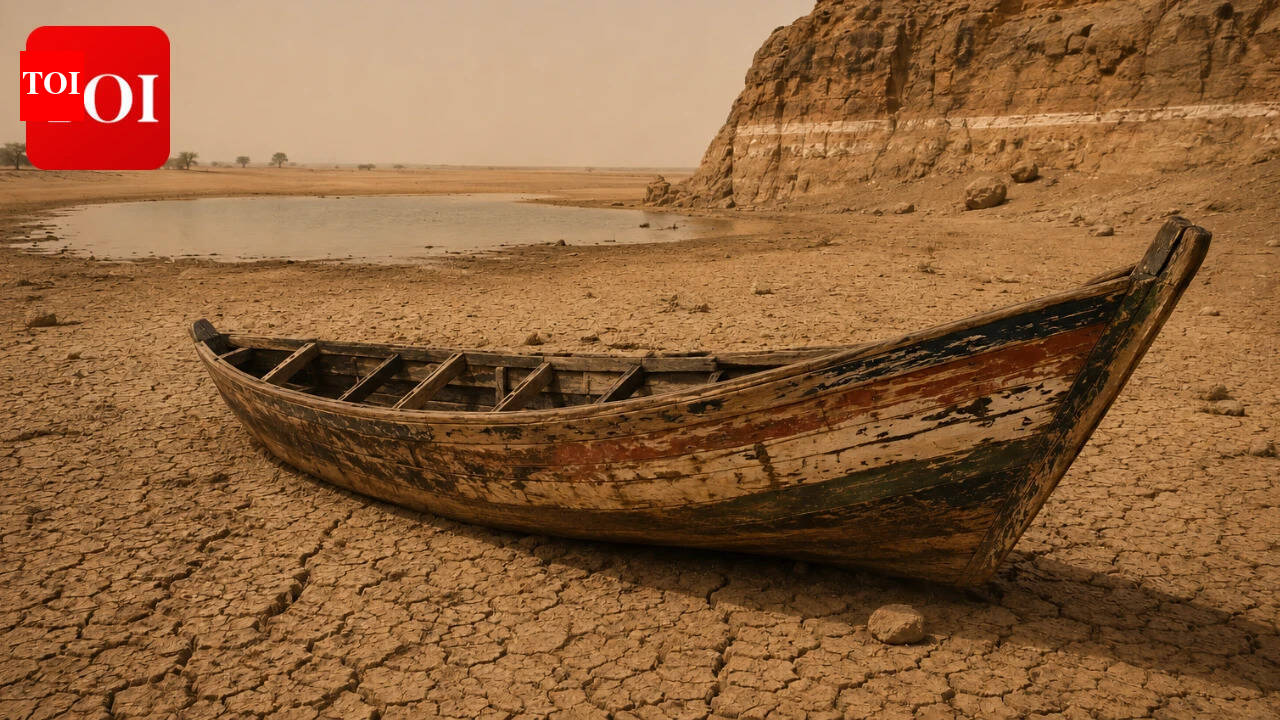
Lake Chad, once vast, has dramatically shrunk due to a combination of drier climate and increased irrigation. A landmark study reveals that while early declines were primarily climate-driven, after 1980, human water use for agriculture became equally responsible. This feedback loop, where adaptation to drought worsened the crisis, offers a stark warning about treating water as an unlimited resource, with parallels to challenges faced in the American West.