In the early 1800s, North America planted European buckthorn as an ornamental hedge and windbreak, but scientists now say cutting it down isn't enough; native wildflowers must be planted immediately to stop it from returning
European buckthorn, once planted for protection, became an invasive species across North America. Manual removal proved insufficient, often leading to rapid reinvasion by the aggressive shrub. A recent study highlights the importance of canopy openness and restoration methods for forest recovery. Immediate revegetation with native plants is recommended to control buckthorn's long-term dominance. This proactive approach helps restore invaded woodlands to stable ecosystems.
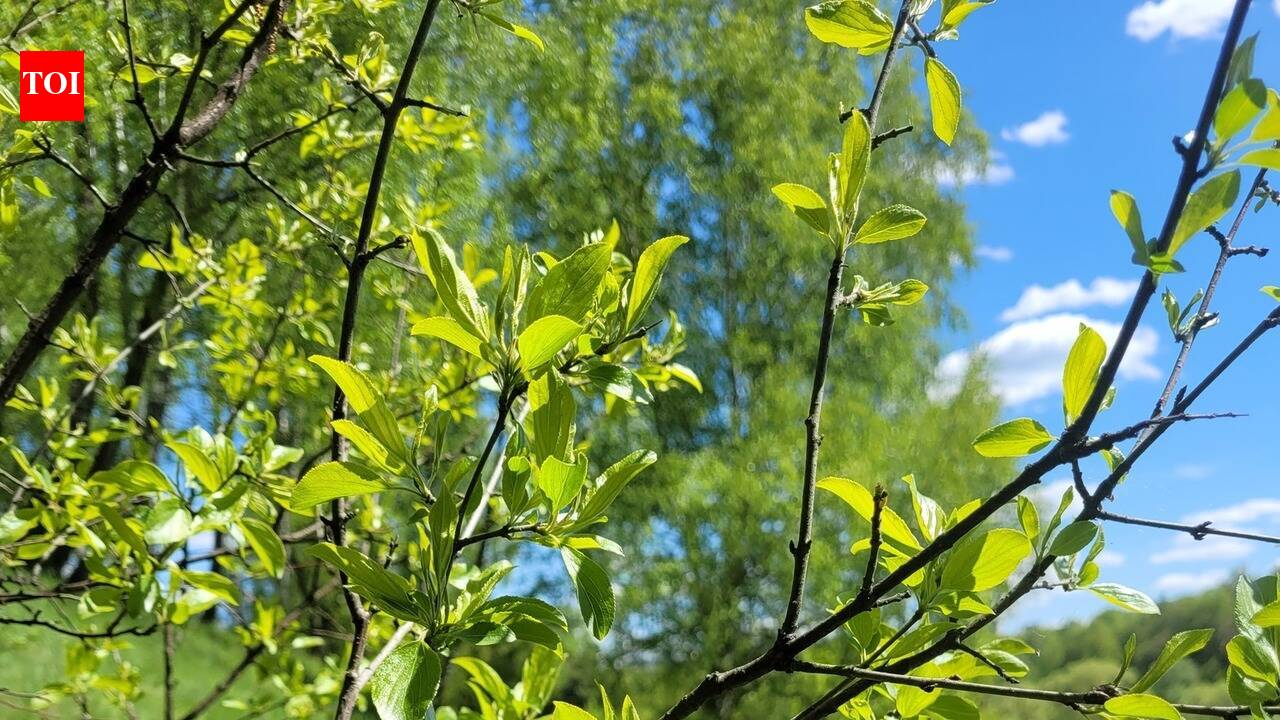
European buckthorn, once planted for protection, became an invasive species across North America. Manual removal proved insufficient, often leading to rapid reinvasion by the aggressive shrub. A recent study highlights the importance of canopy openness and restoration methods for forest recovery. Immediate revegetation with native plants is recommended to control buckthorn's long-term dominance. This proactive approach helps restore invaded woodlands to stable ecosystems.