In the 1930s, Louisiana imported nutria for fur farming; their population later exploded and damaged thousands of acres of coastal wetlands
Nutria, introduced for fur farming in the 1930s, now devastate Louisiana's coastal wetlands. These rodents consume plant roots, preventing regrowth and causing significant erosion. Before control programs, nutria damaged over 100,000 acres of vital marshland. Louisiana's control program pays bounties for nutria tails, reducing damage by ninety percent. This situation highlights how introduced species can reshape ecosystems for economic reasons.
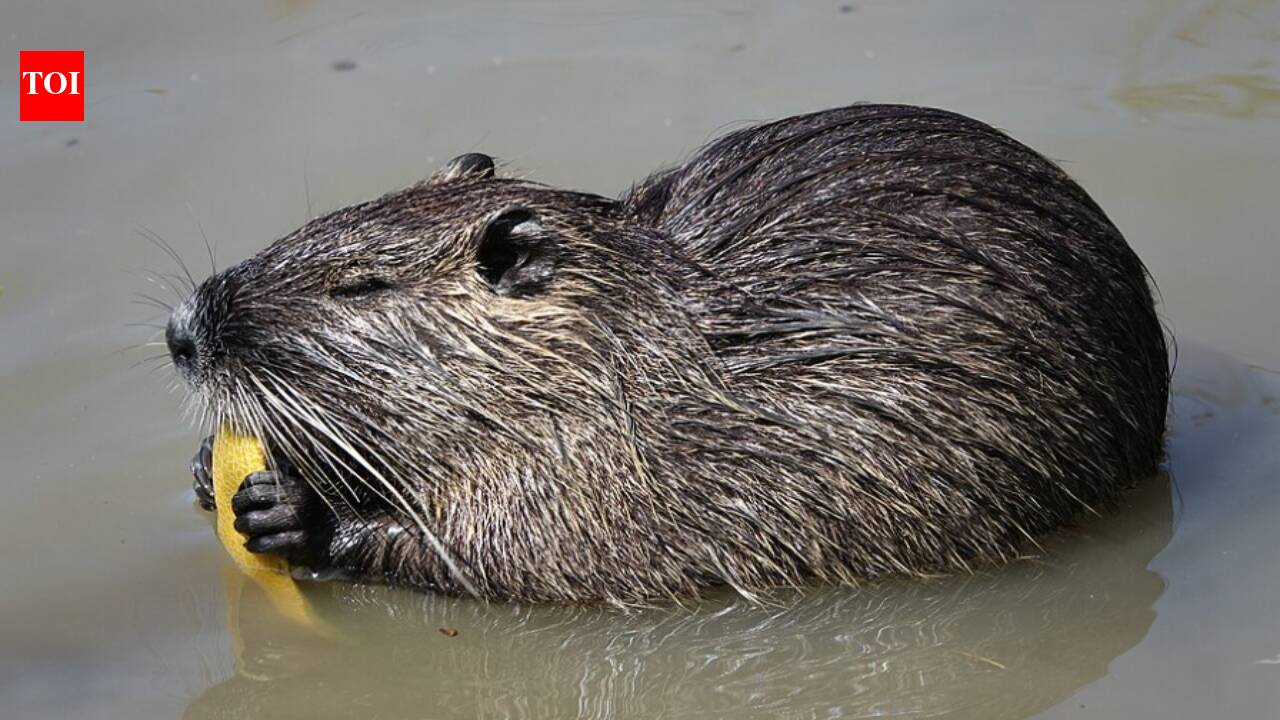
Nutria, introduced for fur farming in the 1930s, now devastate Louisiana's coastal wetlands. These rodents consume plant roots, preventing regrowth and causing significant erosion. Before control programs, nutria damaged over 100,000 acres of vital marshland. Louisiana's control program pays bounties for nutria tails, reducing damage by ninety percent. This situation highlights how introduced species can reshape ecosystems for economic reasons.