In 2017, New Zealand recognised the 290km Whanganui River as a legal person, ending a 160-year Māori legal fight and giving guardians power to act for it in court
New Zealand legally recognized the Whanganui River as a person in 2017. This landmark decision acknowledged the river's deep cultural significance for Māori communities. The Te Awa Tupua Act 2017 established guardians to represent the river's interests. This legal recognition followed over 160 years of disputes and negotiations. The Whanganui model now influences global discussions on environmental personhood.
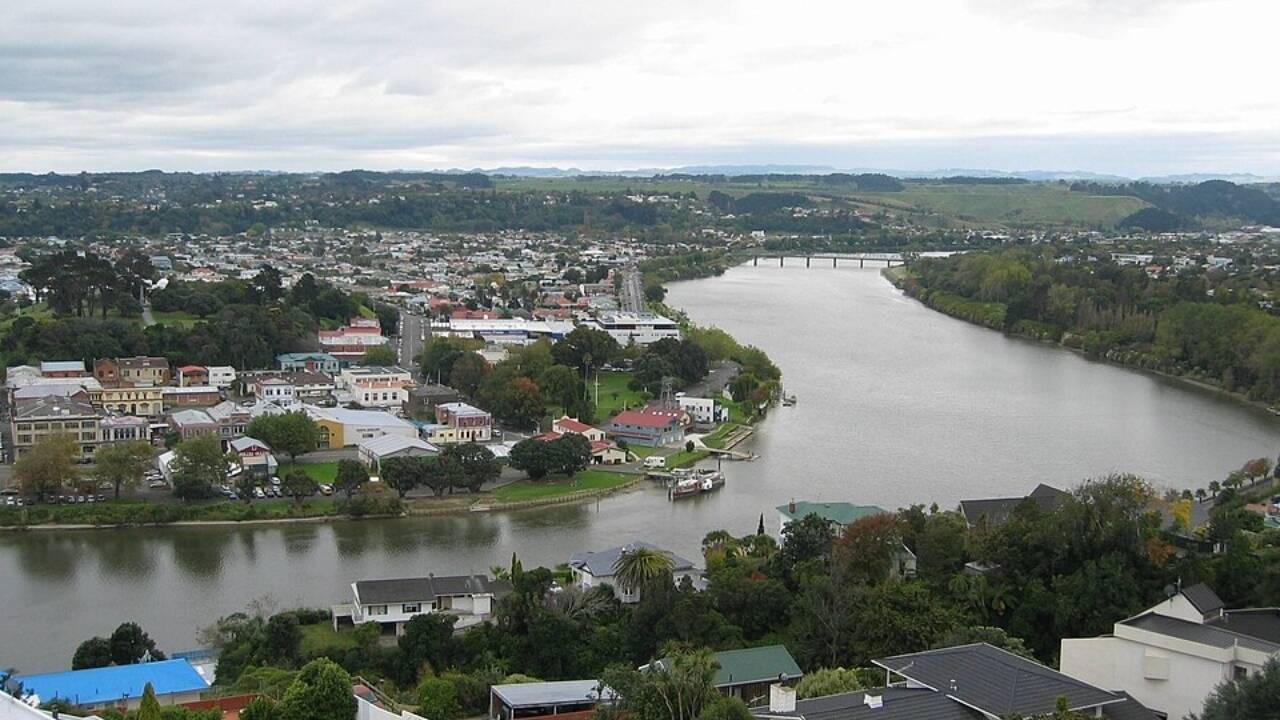
New Zealand legally recognized the Whanganui River as a person in 2017. This landmark decision acknowledged the river's deep cultural significance for Māori communities. The Te Awa Tupua Act 2017 established guardians to represent the river's interests. This legal recognition followed over 160 years of disputes and negotiations. The Whanganui model now influences global discussions on environmental personhood.