In 1941, only 21 whooping cranes were left worldwide; protection of their last wild breeding grounds helped the species rebound to more than 800 birds
Whooping cranes faced extinction, with only twenty-one birds remaining in 1941. Intensive conservation efforts have increased their numbers to over 800 individuals. However, genomic studies reveal significant loss of genetic diversity and increased inbreeding. This genetic erosion poses long-term risks to the species' health and resilience. Future conservation must integrate genetic management alongside habitat protection.
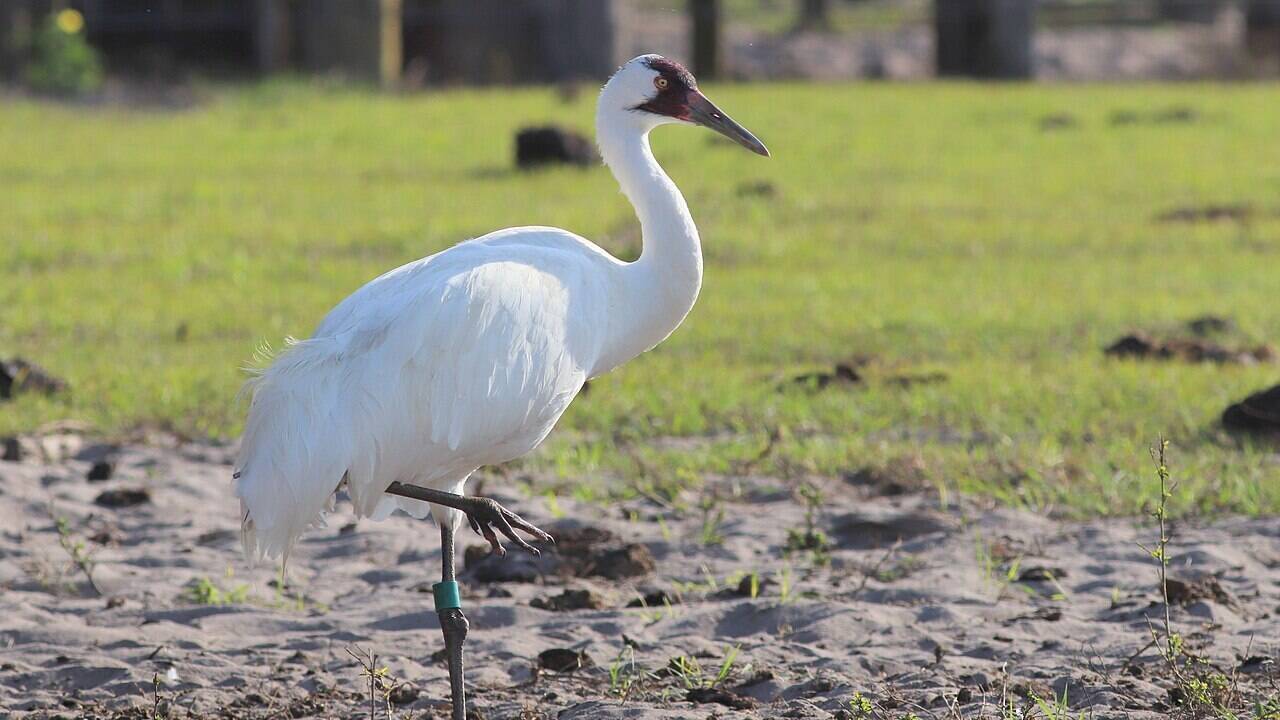
Whooping cranes faced extinction, with only twenty-one birds remaining in 1941. Intensive conservation efforts have increased their numbers to over 800 individuals. However, genomic studies reveal significant loss of genetic diversity and increased inbreeding. This genetic erosion poses long-term risks to the species' health and resilience. Future conservation must integrate genetic management alongside habitat protection.