In 1929, Hawaii introduced Japanese white-eyes to control insects; they became its most abundant land bird and began competing with native birds for food
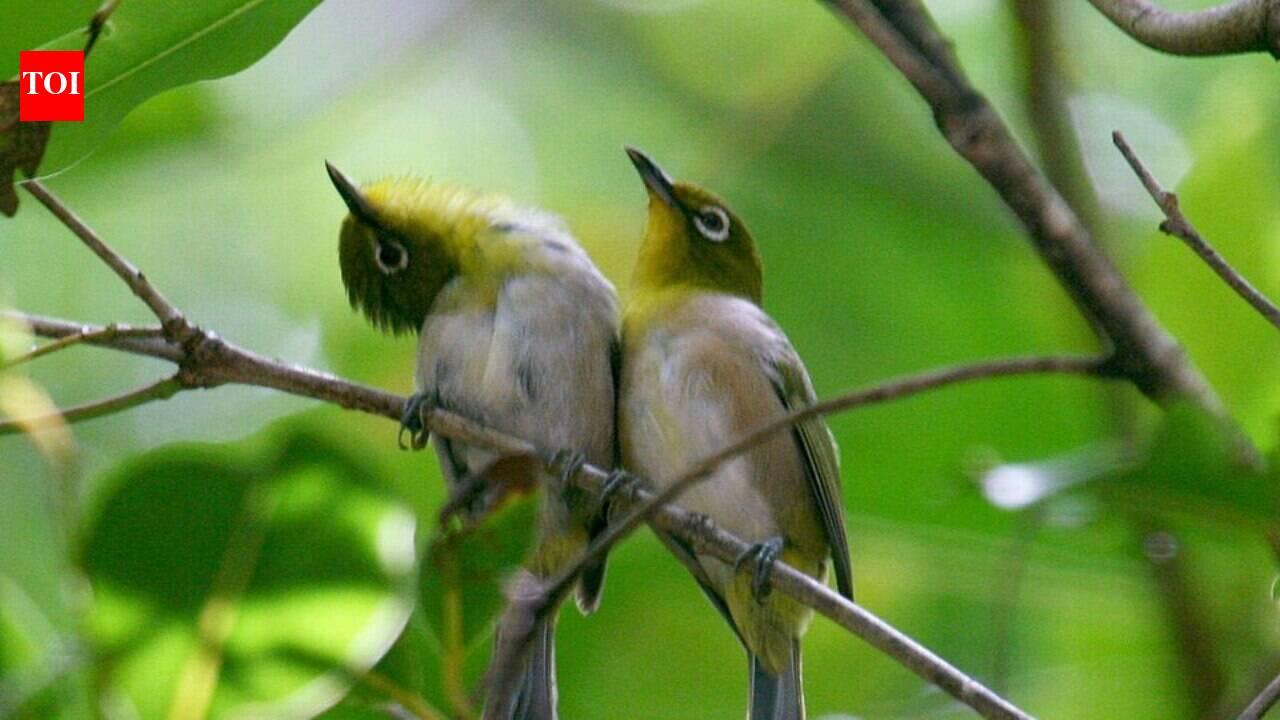
Hawaii introduced the Japanese white-eye bird in 1929 to control insect pests. This bird spread rapidly and became abundant across the Hawaiian Islands. The introduced species began competing with native birds for food resources. Research indicated negative impacts on native species due to this competition. The white-eye's introduction highlights challenges in biological control efforts.
Hawaii introduced the Japanese white-eye bird in 1929 to control insect pests. This bird spread rapidly and became abundant across the Hawaiian Islands. The introduced species began competing with native birds for food resources. Research indicated negative impacts on native species due to this competition. The white-eye's introduction highlights challenges in biological control efforts.