In 1904, chestnut blight was first reported at a New York zoo: By 1950, it had killed 4 billion American chestnut trees across the East
Once a dominant force in Eastern American forests, the majestic American chestnut faced near extinction due to a devastating fungal blight introduced in 1904. This Asian fungus, to which native trees had no immunity, rapidly decimated billions of trees within decades. The loss profoundly impacted ecosystems and economies. While efforts to revive the species through crossbreeding continue, the chestnut's story remains a stark warning about ecological vulnerability.
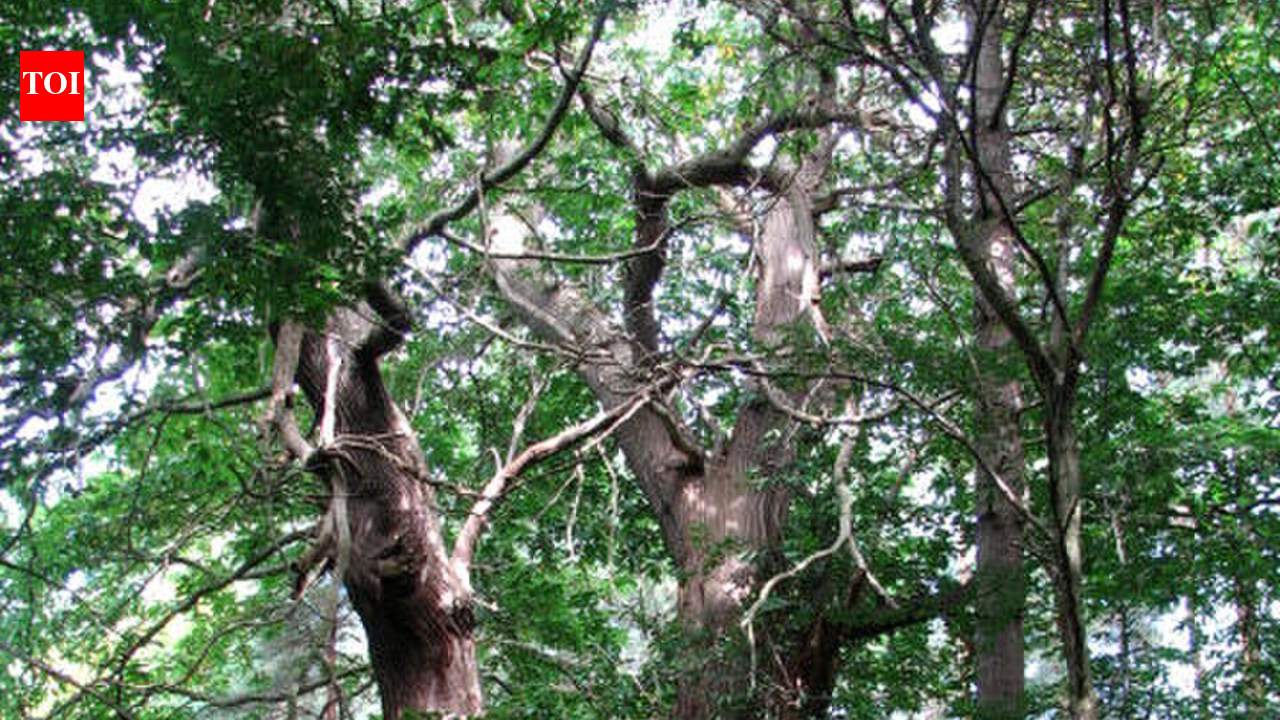
Once a dominant force in Eastern American forests, the majestic American chestnut faced near extinction due to a devastating fungal blight introduced in 1904. This Asian fungus, to which native trees had no immunity, rapidly decimated billions of trees within decades. The loss profoundly impacted ecosystems and economies. While efforts to revive the species through crossbreeding continue, the chestnut's story remains a stark warning about ecological vulnerability.