In 1869, a scientist brought moths to Massachusetts to breed silk: They escaped, and their caterpillars still strip millions of acres of forest bare
In a notable 1869 experiment, artists inadvertently introduced spongy moths that escaped into the wild, leading to severe damage as they evolved into a significant forest pest. Their rapid spread across millions of acres continues to weaken trees through ongoing defoliation, exacerbated by human activities moving equipment. While natural outbreaks vary, efforts to eradicate this established species are now seen as impractical, influencing contemporary international policies on species management.
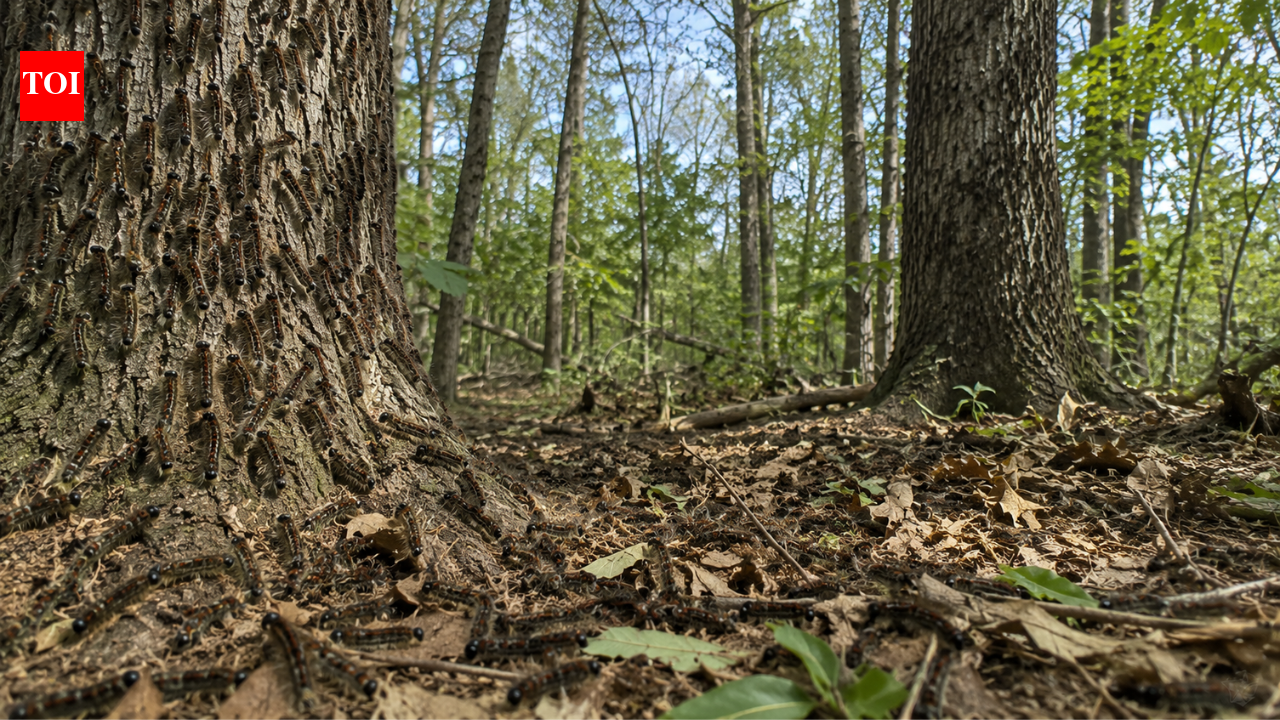
In a notable 1869 experiment, artists inadvertently introduced spongy moths that escaped into the wild, leading to severe damage as they evolved into a significant forest pest. Their rapid spread across millions of acres continues to weaken trees through ongoing defoliation, exacerbated by human activities moving equipment. While natural outbreaks vary, efforts to eradicate this established species are now seen as impractical, influencing contemporary international policies on species management.