IIM Udaipur introduces flexible BBA programme with bilingual learning support and multiple exit pathways for certificate, diploma, degree, and honours
The Indian Institute of Management Udaipur has announced a new undergraduate management programme that introduces a flexible academic structure, allowing students to earn different qualifications depending on how long they remain enrolled. Applications for the institute’s new Bachelor of Business Administration (BBA) programme will open on 4 March 2026. Unlike traditional undergraduate courses that require students to complete a fixed three- or four-year period, the programme is designed with multiple exit points. Students who choose to leave after the first year will receive a certificate, those completing two years will obtain a diploma, those completing three years will receive a degree, while students completing the full four-year track will graduate with an honours degree. The model allows learners to pause or exit their studies without losing academic recognition for the time already spent in the programme. The institute says the programme is built as a digital-first offering intended to expand access to management education beyond students who can relocate to a full-time residential campus. Teaching will combine recorded lectures, live interactive tutorials, faculty masterclasses and discussion-based sessions conducted online. At the same time, examinations will be conducted in supervised centres to maintain credibility and academic standards. Another distinctive feature of the programme is its bilingual learning framework. While the course design allows learners to begin their studies with Hindi-friendly learning support, the structure also includes English pathways so that students comfortable in either language can participate. The approach is intended to make management education more accessible to students from smaller towns and non-English-medium schooling backgrounds while still retaining professional relevance. The modular structure of the course also reflects the realities faced by many Indian students, who often balance higher education with financial constraints, family responsibilities or employment. By allowing learners to progress through milestone credentials rather than forcing them into a single all-or-nothing degree pathway, the programme attempts to reduce the risk of students dropping out without any formal qualification. The institute has also indicated that the programme will include scholarship support and financial aid options to improve affordability for students from different economic backgrounds. According to the institute, keeping entry costs manageable is an important part of ensuring that the programme can reach a wider section of aspiring learners. Observers note that such flexible and digitally delivered programmes are increasingly being explored as India looks to expand access to higher education while maintaining academic rigour. If the model succeeds in attracting serious learners and maintaining employer confidence in the credential, it could encourage other institutions to experiment with similar structures in the future. The launch of the programme, therefore, represents not just another course addition, but also a test of whether flexible, technology-enabled undergraduate education from premier institutions can scale while preserving the credibility traditionally associated with them
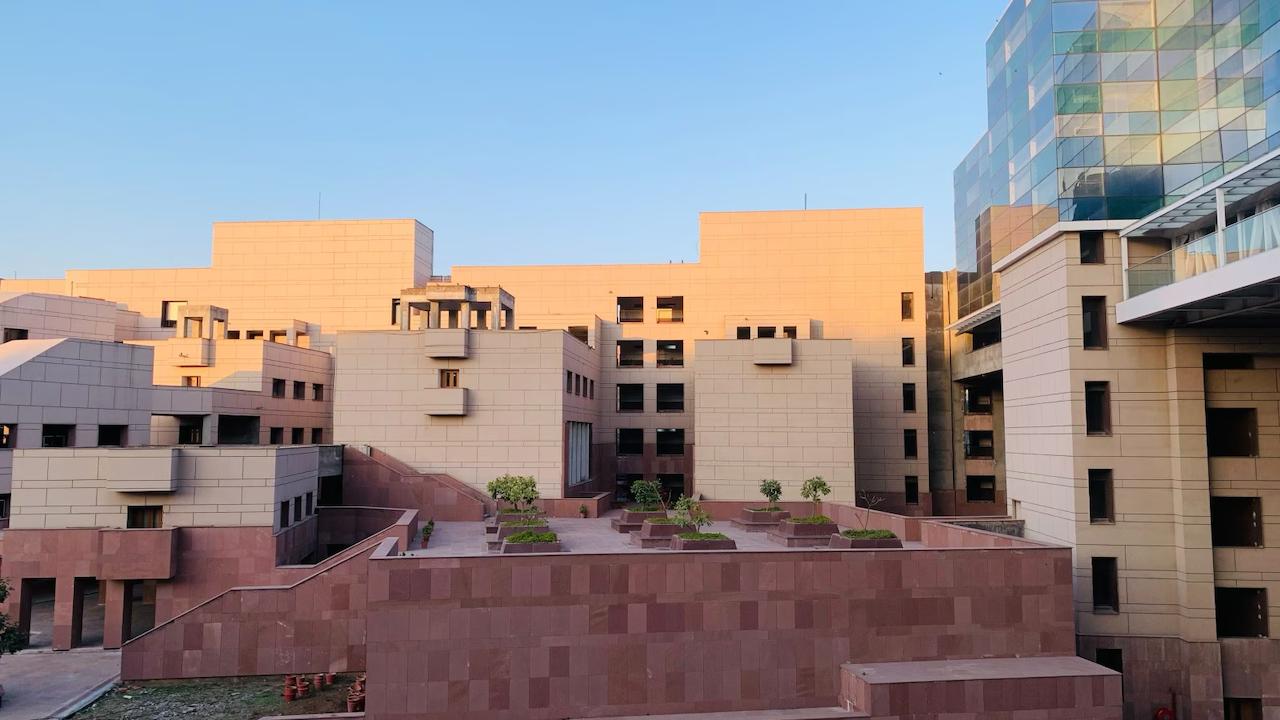
The Indian Institute of Management Udaipur has announced a new undergraduate management programme that introduces a flexible academic structure, allowing students to earn different qualifications depending on how long they remain enrolled. Applications for the institute’s new Bachelor of Business Administration (BBA) programme will open on 4 March 2026.
Unlike traditional undergraduate courses that require students to complete a fixed three- or four-year period, the programme is designed with multiple exit points. Students who choose to leave after the first year will receive a certificate, those completing two years will obtain a diploma, those completing three years will receive a degree, while students completing the full four-year track will graduate with an honours degree. The model allows learners to pause or exit their studies without losing academic recognition for the time already spent in the programme.
The institute says the programme is built as a digital-first offering intended to expand access to management education beyond students who can relocate to a full-time residential campus. Teaching will combine recorded lectures, live interactive tutorials, faculty masterclasses and discussion-based sessions conducted online. At the same time, examinations will be conducted in supervised centres to maintain credibility and academic standards.
Another distinctive feature of the programme is its bilingual learning framework. While the course design allows learners to begin their studies with Hindi-friendly learning support, the structure also includes English pathways so that students comfortable in either language can participate. The approach is intended to make management education more accessible to students from smaller towns and non-English-medium schooling backgrounds while still retaining professional relevance.
The modular structure of the course also reflects the realities faced by many Indian students, who often balance higher education with financial constraints, family responsibilities or employment. By allowing learners to progress through milestone credentials rather than forcing them into a single all-or-nothing degree pathway, the programme attempts to reduce the risk of students dropping out without any formal qualification.
The institute has also indicated that the programme will include scholarship support and financial aid options to improve affordability for students from different economic backgrounds. According to the institute, keeping entry costs manageable is an important part of ensuring that the programme can reach a wider section of aspiring learners.
Observers note that such flexible and digitally delivered programmes are increasingly being explored as India looks to expand access to higher education while maintaining academic rigour. If the model succeeds in attracting serious learners and maintaining employer confidence in the credential, it could encourage other institutions to experiment with similar structures in the future.
The launch of the programme, therefore, represents not just another course addition, but also a test of whether flexible, technology-enabled undergraduate education from premier institutions can scale while preserving the credibility traditionally associated with them