Yogendra Yadav brings irrelevant US analogies to criticise Assam delimitation exercise: Read how his op-ed totally ignores the State’s demographic realities and history
Yogendra Yadav’s recent column in The Indian Express, dated March 4, on Assam’s delimitation exercise, reflects a deeply flawed understanding of the state’s socio-political realities. Yadav oversimplifies a complicated constitutional procedure and overlooks the real demographic issues that have influenced the state’s politics for decades by trying to create the word “Himaling” and comparing Assam’s delimitation process to “gerrymandering in the American model”. At the very outset, it is important to clarify a fundamental point: delimitation in India is not carried out by political leaders or ruling parties. It is conducted by the Delimitation Commission, an independent quasi-judicial authority headed by a retired judge of the Supreme Court of India and functioning in consultation with the Election Commission of India. The Commission’s orders have the force of law and cannot be challenged in court. The process is guided by constitutional provisions, census data, and established legal principles. To attribute the outcome of such a statutory and insulated process to Chief Minister Himanta Biswa Sarma is, therefore, misleading and intellectually dishonest. It suggests either a lack of understanding of India’s constitutional architecture or a deliberate attempt to frame a political narrative. Blaming an elected leader for decisions taken by an independent constitutional body weakens the credibility of the critique itself. More importantly, Yadav’s commentary sidesteps the central issue that has shaped Assam’s politics for over half a century, demographic transformation driven by illegal migration. Any serious discussion about electoral boundaries in Assam must acknowledge this historical reality. For decades, indigenous communities have expressed concerns about the erosion of their cultural, linguistic, and political identity. These concerns are not inventions of contemporary politics; they have been part of mass movements, public debates, and official negotiations. The landmark Assam Accord itself stands as testimony to the fact that demographic imbalance was recognised at the highest political level. The Accord was not signed in a vacuum, it was the outcome of years of agitation and sacrifice, rooted in the fear that unchecked migration would fundamentally alter the state’s socio-political character. Ignoring this context while evaluating delimitation is akin to discussing symptoms without acknowledging the disease. Delimitation, by design, seeks to ensure equitable representation based on population changes. In a state where demographic shifts have been politically and socially consequential, redrawing constituencies will inevitably reflect those changes. However, ensuring that indigenous communities retain meaningful representation in their historical homeland is not “communal gerrymandering.” It is a legitimate democratic concern about political voice and survival. Yadav’s attempt to frame the exercise as an Indian equivalent of partisan American redistricting imports a foreign analogy that does not fit the Indian constitutional framework. In the United States, gerrymandering is often executed by state legislatures with overt partisan intent. In India, the Delimitation Commission operates independently of day-to-day political control. Equating the two systems creates more heat than light. The phrase “Himaling” may be rhetorically clever, but rhetoric cannot substitute for ground realities. Assam’s political discourse is deeply intertwined with anxieties about land, language, and identity sentiments often encapsulated in the expression “jati, mati, bheti.” These are not divisive slogans but articulations of a collective historical memory shaped by waves of migration, insurgency, and prolonged instability. To dismiss these concerns as communal politics is to overlook the lived experience of millions. Criticism is an essential component of democracy, and no public policy should be beyond scrutiny. However, responsible criticism must be anchored in context. A mainland academic lens that views Assam purely through ideological binaries risks flattening its complex history into simplistic narratives. Electoral boundaries in Assam are not merely lines on a map; they are intertwined with questions of belonging, representation, and cultural continuity. It would have been more constructive had Yadav engaged deeply with the demographic data, the constitutional safeguards governing delimitation, and the historical backdrop of the Assam movement. Instead, by personalising the issue and suggesting executive manipulation, he shifts the debate from institutional processes to partisan insinuation. The delimitation exercise in Assam is part of a lawful democratic process rooted in constitutional design. Disagreeing with its outcomes is legitimate, portraying it as a conspiracy orchestrated by a single political leader is not. Such framing diminishes the seriousness of public discourse and
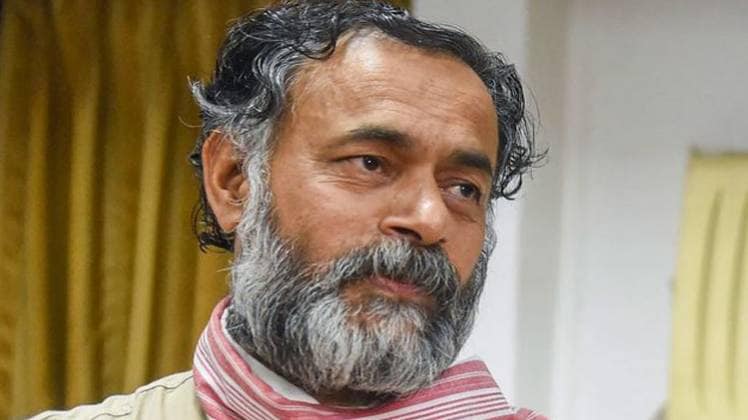
Yogendra Yadav’s recent column in The Indian Express, dated March 4, on Assam’s delimitation exercise, reflects a deeply flawed understanding of the state’s socio-political realities. Yadav oversimplifies a complicated constitutional procedure and overlooks the real demographic issues that have influenced the state’s politics for decades by trying to create the word “Himaling” and comparing Assam’s delimitation process to “gerrymandering in the American model”.
At the very outset, it is important to clarify a fundamental point: delimitation in India is not carried out by political leaders or ruling parties. It is conducted by the Delimitation Commission, an independent quasi-judicial authority headed by a retired judge of the Supreme Court of India and functioning in consultation with the Election Commission of India. The Commission’s orders have the force of law and cannot be challenged in court. The process is guided by constitutional provisions, census data, and established legal principles.
To attribute the outcome of such a statutory and insulated process to Chief Minister Himanta Biswa Sarma is, therefore, misleading and intellectually dishonest. It suggests either a lack of understanding of India’s constitutional architecture or a deliberate attempt to frame a political narrative. Blaming an elected leader for decisions taken by an independent constitutional body weakens the credibility of the critique itself.
More importantly, Yadav’s commentary sidesteps the central issue that has shaped Assam’s politics for over half a century, demographic transformation driven by illegal migration. Any serious discussion about electoral boundaries in Assam must acknowledge this historical reality. For decades, indigenous communities have expressed concerns about the erosion of their cultural, linguistic, and political identity. These concerns are not inventions of contemporary politics; they have been part of mass movements, public debates, and official negotiations.
The landmark Assam Accord itself stands as testimony to the fact that demographic imbalance was recognised at the highest political level. The Accord was not signed in a vacuum, it was the outcome of years of agitation and sacrifice, rooted in the fear that unchecked migration would fundamentally alter the state’s socio-political character. Ignoring this context while evaluating delimitation is akin to discussing symptoms without acknowledging the disease.
Delimitation, by design, seeks to ensure equitable representation based on population changes. In a state where demographic shifts have been politically and socially consequential, redrawing constituencies will inevitably reflect those changes. However, ensuring that indigenous communities retain meaningful representation in their historical homeland is not “communal gerrymandering.” It is a legitimate democratic concern about political voice and survival.
Yadav’s attempt to frame the exercise as an Indian equivalent of partisan American redistricting imports a foreign analogy that does not fit the Indian constitutional framework. In the United States, gerrymandering is often executed by state legislatures with overt partisan intent. In India, the Delimitation Commission operates independently of day-to-day political control. Equating the two systems creates more heat than light.
The phrase “Himaling” may be rhetorically clever, but rhetoric cannot substitute for ground realities. Assam’s political discourse is deeply intertwined with anxieties about land, language, and identity sentiments often encapsulated in the expression “jati, mati, bheti.” These are not divisive slogans but articulations of a collective historical memory shaped by waves of migration, insurgency, and prolonged instability. To dismiss these concerns as communal politics is to overlook the lived experience of millions.
Criticism is an essential component of democracy, and no public policy should be beyond scrutiny. However, responsible criticism must be anchored in context. A mainland academic lens that views Assam purely through ideological binaries risks flattening its complex history into simplistic narratives. Electoral boundaries in Assam are not merely lines on a map; they are intertwined with questions of belonging, representation, and cultural continuity.
It would have been more constructive had Yadav engaged deeply with the demographic data, the constitutional safeguards governing delimitation, and the historical backdrop of the Assam movement. Instead, by personalising the issue and suggesting executive manipulation, he shifts the debate from institutional processes to partisan insinuation.
The delimitation exercise in Assam is part of a lawful democratic process rooted in constitutional design. Disagreeing with its outcomes is legitimate, portraying it as a conspiracy orchestrated by a single political leader is not. Such framing diminishes the seriousness of public discourse and obscures the genuine challenges facing the state.
Assam’s story cannot be understood through borrowed metaphors or distant ideological templates. It demands engagement with its history, its agreements, and its anxieties. Only then can the debate over delimitation move from rhetorical labeling to meaningful democratic dialogue.