Heavy traffic turns flower-rich road verges into bumblebee traps, and in southern Sweden, scientists found dead bees outnumbered live ones at about 4,000 vehicles a day
Flower-covered roadsides attract bumblebees but become ecological traps with heavy traffic. A Swedish study found increased bumblebee mortality along busier roads. Nests were found near quieter roads offering similar floral resources safely. Conservation efforts should prioritize low-traffic roads for pollinator protection. Natural meadows remain the best habitats for bumblebee activity and survival.
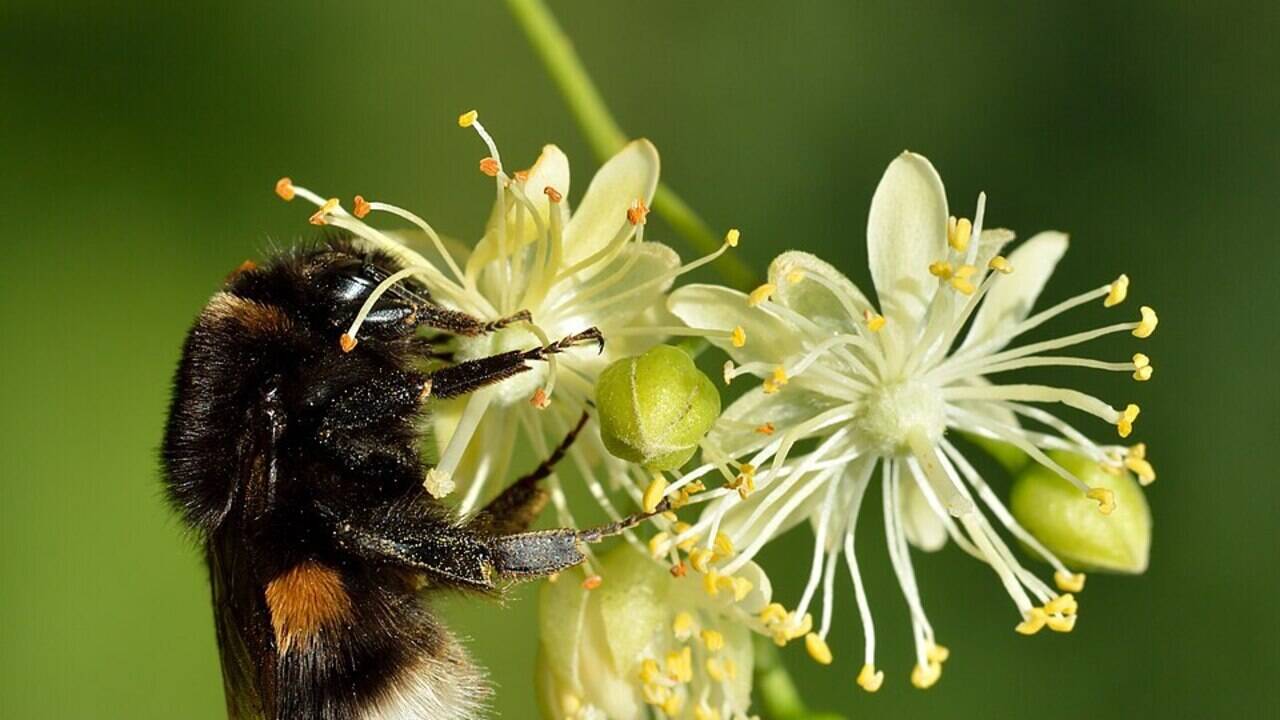
Flower-covered roadsides attract bumblebees but become ecological traps with heavy traffic. A Swedish study found increased bumblebee mortality along busier roads. Nests were found near quieter roads offering similar floral resources safely. Conservation efforts should prioritize low-traffic roads for pollinator protection. Natural meadows remain the best habitats for bumblebee activity and survival.