Gujarat: Father Mehboob and son Farhan convicted in cow-slaughter and beef trafficking case, sentenced to 10 years in prison. Read details
On 2nd February, a sessions court sentenced two individuals to 10 years of imprisonment each, related to cow slaughter and the unlawful possession of beef in Godhra, Gujarat. The father and son duo have been identified as Mehboob Abdullah Saburiya and Farhan Mehboob Saburiya, while another person, Salim Siddiqui, was acquitted due to a lack of sufficient evidence. This case dated back to 9th July 2024, and the pair has been convicted under sections 5(A), 6(B), 8(4) and 10 of the Gujarat Animal Preservation Amendment Act and a fine of Rs 2 lakh each was also imposed on them. On 9th July 2024, officers from the Godhra B Division police station were conducting a routine patrol when a suspicious vehicle was observed near the Ali Mosque along the Godhra-Hamirpur road. The cops halted and interrogated the occupants, but several of them fled the scene. After this, two men were apprehended, and the vehicle was searched, leading to the discovery of cow meat. The authorities also confiscated several weapons. During the interrogation, they revealed their identities and disclosed that Salim Siddiqui and Faisal Maqsood had summoned them to Hamirpur and provided them with the consignment. They were taking it to their place to sell. The police then called a veterinarian to the location to inspect the meat, which weighed approximately 53 kilograms. The samples were sent to the Surat Forensic Science Laboratory (FSL) for testing, and the report arrived the next day, confirming that it was beef. The police then registered a case against the accused under the Gujarat Animal Preservation Act and took them into custody. The police launched an FIR (First Information Report) against three individuals in total. Mehboob and Farhan were nabbed at the spot with beef, while Salim was reported to have supplied the beef to them. Subsequently, the case was brought before the Sessions Court, where the charge sheet was submitted on 19th November of that year. It established the charges on 20th February 2025 and commenced the trial, as the verdict was delivered a year later. The court called and cross-examined numerous witnesses, including police officers, panches and veterinary officers. Furthermore, the prosecution introduced evidence such as the panchnama (witness statement), the veterinary report and the Forensic Science Laboratory findings. The court’s judgment The court noted that both the veterinary and FSL reports clearly substantiated that the seized meat was beef in its ruling. Cow slaughter alongside the storage, transportation and sale of beef are completely prohibited in Gujarat. The court further mentioned that both perpetrators were caught at the scene with the beef. On the other hand, they failed to prove any official permission for the slaughter or carriage of the meat during the trial. Furthermore, the pair argued that they had been falsely implicated by the police, but the court rejected these arguments, outlining that the seizure, sample testing and other procedures were conducted properly and convicted them. The court, however, acquitted the third accused, stating that he was not found with beef and the prosecution’s assertions relied exclusively on the statements of the co-accused. It is remarked that such statements lack independent verification, cannot be deemed definitive and cannot serve as the foundation for convicting anyone in a criminal trial. Hence, he was granted the benefit of the doubt. The court highlighted that the father and son acquired beef on a significant scale with the intent to sell it at retail from their residence despite the legal ban, thereby committing deception. It was observed that in light of the amendments made to the law by the government in 2017, imposing a sentence would reinforce the original intent of the law, deter such criminal activities in society and impose legal restrictions on those who engage in such offences. The court eventually sentenced the two Muslim males and mandated that their prison terms would be prolonged by an additional two years if the penalty was not paid.


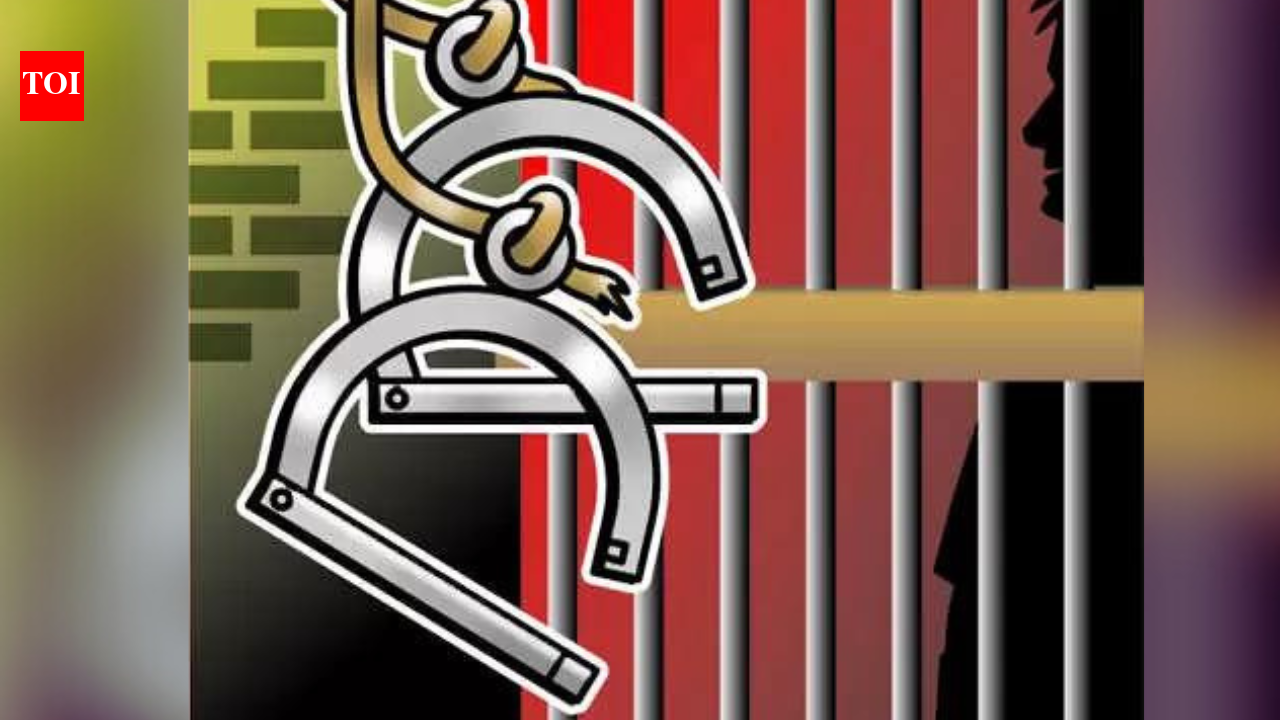
On 2nd February, a sessions court sentenced two individuals to 10 years of imprisonment each, related to cow slaughter and the unlawful possession of beef in Godhra, Gujarat. The father and son duo have been identified as Mehboob Abdullah Saburiya and Farhan Mehboob Saburiya, while another person, Salim Siddiqui, was acquitted due to a lack of sufficient evidence.
This case dated back to 9th July 2024, and the pair has been convicted under sections 5(A), 6(B), 8(4) and 10 of the Gujarat Animal Preservation Amendment Act and a fine of Rs 2 lakh each was also imposed on them.
On 9th July 2024, officers from the Godhra B Division police station were conducting a routine patrol when a suspicious vehicle was observed near the Ali Mosque along the Godhra-Hamirpur road. The cops halted and interrogated the occupants, but several of them fled the scene. After this, two men were apprehended, and the vehicle was searched, leading to the discovery of cow meat.
The authorities also confiscated several weapons. During the interrogation, they revealed their identities and disclosed that Salim Siddiqui and Faisal Maqsood had summoned them to Hamirpur and provided them with the consignment. They were taking it to their place to sell.
The police then called a veterinarian to the location to inspect the meat, which weighed approximately 53 kilograms. The samples were sent to the Surat Forensic Science Laboratory (FSL) for testing, and the report arrived the next day, confirming that it was beef. The police then registered a case against the accused under the Gujarat Animal Preservation Act and took them into custody.
The police launched an FIR (First Information Report) against three individuals in total. Mehboob and Farhan were nabbed at the spot with beef, while Salim was reported to have supplied the beef to them. Subsequently, the case was brought before the Sessions Court, where the charge sheet was submitted on 19th November of that year. It established the charges on 20th February 2025 and commenced the trial, as the verdict was delivered a year later.
The court called and cross-examined numerous witnesses, including police officers, panches and veterinary officers. Furthermore, the prosecution introduced evidence such as the panchnama (witness statement), the veterinary report and the Forensic Science Laboratory findings.
The court’s judgment
The court noted that both the veterinary and FSL reports clearly substantiated that the seized meat was beef in its ruling. Cow slaughter alongside the storage, transportation and sale of beef are completely prohibited in Gujarat.
The court further mentioned that both perpetrators were caught at the scene with the beef. On the other hand, they failed to prove any official permission for the slaughter or carriage of the meat during the trial. Furthermore, the pair argued that they had been falsely implicated by the police, but the court rejected these arguments, outlining that the seizure, sample testing and other procedures were conducted properly and convicted them.
The court, however, acquitted the third accused, stating that he was not found with beef and the prosecution’s assertions relied exclusively on the statements of the co-accused. It is remarked that such statements lack independent verification, cannot be deemed definitive and cannot serve as the foundation for convicting anyone in a criminal trial. Hence, he was granted the benefit of the doubt.
The court highlighted that the father and son acquired beef on a significant scale with the intent to sell it at retail from their residence despite the legal ban, thereby committing deception. It was observed that in light of the amendments made to the law by the government in 2017, imposing a sentence would reinforce the original intent of the law, deter such criminal activities in society and impose legal restrictions on those who engage in such offences.
The court eventually sentenced the two Muslim males and mandated that their prison terms would be prolonged by an additional two years if the penalty was not paid.