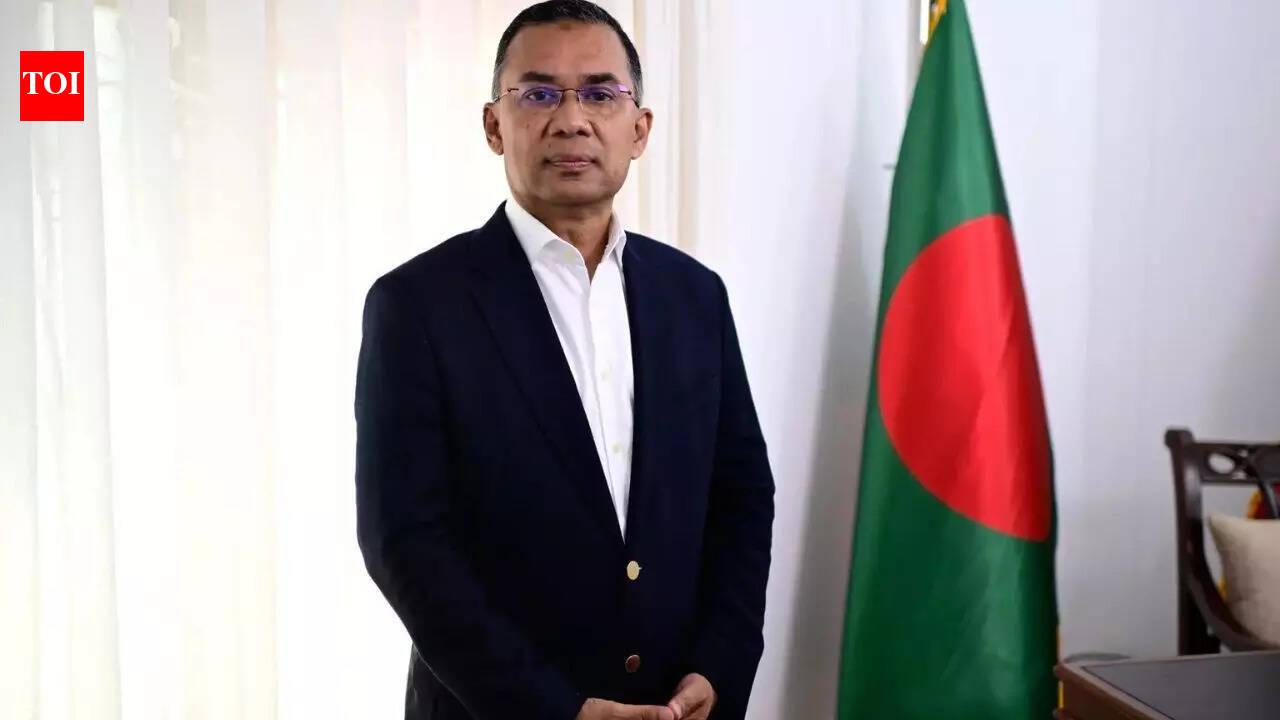
End of Naxalism: With Devuji’s surrender in Telangana, just one more Politburo member Misir Besra left in CPI (Maoist), read who is he
The senior leadership of the outlawed Communist Party of India (Maoist) has surrendered, leading to one of the largest losses to the armed movement and severely damaging its organisational core throughout Chhattisgarh and the surrounding states. On 22nd February (Sunday), the authorities informed that Tippiri Tirupati, also known as Devuji has turned himself in to the Telangana Police’s Special Intelligence Bureau after almost 40 years of violent life. The 60-year-old Maoist general secretary from the Karimnagar district and with a Rs 25 lakh bounty in Telangana laid down weapons in the Mulugu area of Telangana. He served as the secretary of the Central Committee alongside the Politburo and was considered the organisation’s “supreme commander.” He was also joined by senior CPI(M) leaders including, Damodar Bade Chokka Rao alias Damodar, Pusunuri Narahari alias Santosh, Malla Raji Reddy alias Sangram, Narasimha Reddy or Ganganna, Muppidi Sambaiah, Vartha Shekar and 16 to 20 others, marking a significant turning point in the protracted fight against Left Wing Extremism in the country. These cadres consist of the state, district and area committees along with even Politburo members. They came out of the Asifabad forest two days ago and entered the plain areas. Their surrender will be formally announced in an upcoming press conference. They carried rewards ranging from Rs 25 to 20 lakh and less depending on their position within the party. Tippiri is considered to have taken over for the late Nambala Keshav Rao (Basavaraju) who was neutralised in May 2025. He purportedly headed the party’s military commission as well. He was regarded as a “top gun” by the Naxals is seen as the last nail in red terror’s coffin. Security forces have been working together for a long time in Telangana and Chhattisgarh’s neighbouring regions, according to sources quoted by India Today. The top brass of the Maoist outfit was reportedly cornered by a recent crackdown in the Karregutta hills. Their communication channels were broken and important operational bases collapsed under the tremendous pressure applied by security personnel. Hence, they were left with no alternative after the structure was upended. Tippiri’s move is also very important because he became the spokesperson for the group that wanted to continue their fight with the country after Mallojula Venugopal Rao (Sonu) surrendered in October 2025, causing an internal rift. Who is Tippiri Tirupati Tippiri was born in a humble Madiga family of Ambedkar Nagar Colony, Korutla town and completed his intermediate-level education there. He became involved in radical politics while working on his degree in the early 1980s. A former Intelligence Bureau official mentioned, “His career emphasised a military-first strategy, prioritising guerrilla tactics over pure ideology. He joined the Radical Students Union (RSU), the student wing of the People’s War Group (PWG). After violent clashes with rivals like ABVP (Akhil Bharatiya Vidyarthi Parishad), he went underground in late 1983, starting as a dalam squad member in Maharashtra’s Gadchiroli district,” reported Deccan Herald. “He swiftly advanced to Area Commander, then Divisional Commander. His tactical acumen secured spots on the Central Committee and Central Military Commission (CMC). He helped form the People’s Liberation Guerrilla Army (PLGA),” the insider added. Tippiri went underground after joining the Communist Party of India (Marxist–Leninist) Liberation’s People’s War Group (PWG) in 1983. He was a member of Gadchiroli Dalam from 1983 to 1984 before being promoted to area committee member in 1985. According to the reports, he then rose to the role of a central committee member in 2001 and took over as its leader in 2016. Tippiri initially drew attention when N Chandrababu Naidu, the chief minister at the time, became the target of a landmine explosion at Alipiri in Tirupati. His name appeared in several similar strikes such as the 2007 Unity Congress and the assault on the Geedam police station in Chhattisgarh. He is also suspected of being the mastermind behind the Tadimetla (Dantewada) ambush in April 2010 which claimed the lives of 76 troops. He also edited the party’s underground publication Awami Jung (People’s War) under other names to unite cadres and created the Buniyadi (Fundamental) Communist Training School in 2009 for training modern guerrillas. “His influence spanned the Red Corridor especially Bastar (Chhattisgarh), Gadchiroli (Maharashtra) and Odisha. A pure military man he led the CMC for armed operations, commanded Dandakaranya militias and oversaw South India famously linked to the deadly 2010 Dantewada attack on 76 CRPF jawans,” the IB official highlighted. Misir Besra: The last active Maoist commander The Maoist party’s central committee is down to only 5 members from approximately 50 and the Politburo has essentially been reduced to just one active partici
The senior leadership of the outlawed Communist Party of India (Maoist) has surrendered, leading to one of the largest losses to the armed movement and severely damaging its organisational core throughout Chhattisgarh and the surrounding states. On 22nd February (Sunday), the authorities informed that Tippiri Tirupati, also known as Devuji has turned himself in to the Telangana Police’s Special Intelligence Bureau after almost 40 years of violent life.
The 60-year-old Maoist general secretary from the Karimnagar district and with a Rs 25 lakh bounty in Telangana laid down weapons in the Mulugu area of Telangana. He served as the secretary of the Central Committee alongside the Politburo and was considered the organisation’s “supreme commander.”
He was also joined by senior CPI(M) leaders including, Damodar Bade Chokka Rao alias Damodar, Pusunuri Narahari alias Santosh, Malla Raji Reddy alias Sangram, Narasimha Reddy or Ganganna, Muppidi Sambaiah, Vartha Shekar and 16 to 20 others, marking a significant turning point in the protracted fight against Left Wing Extremism in the country.
These cadres consist of the state, district and area committees along with even Politburo members. They came out of the Asifabad forest two days ago and entered the plain areas. Their surrender will be formally announced in an upcoming press conference. They carried rewards ranging from Rs 25 to 20 lakh and less depending on their position within the party.
Tippiri is considered to have taken over for the late Nambala Keshav Rao (Basavaraju) who was neutralised in May 2025. He purportedly headed the party’s military commission as well. He was regarded as a “top gun” by the Naxals is seen as the last nail in red terror’s coffin.
Security forces have been working together for a long time in Telangana and Chhattisgarh’s neighbouring regions, according to sources quoted by India Today. The top brass of the Maoist outfit was reportedly cornered by a recent crackdown in the Karregutta hills. Their communication channels were broken and important operational bases collapsed under the tremendous pressure applied by security personnel. Hence, they were left with no alternative after the structure was upended.
Tippiri’s move is also very important because he became the spokesperson for the group that wanted to continue their fight with the country after Mallojula Venugopal Rao (Sonu) surrendered in October 2025, causing an internal rift.
Who is Tippiri Tirupati
Tippiri was born in a humble Madiga family of Ambedkar Nagar Colony, Korutla town and completed his intermediate-level education there. He became involved in radical politics while working on his degree in the early 1980s.
A former Intelligence Bureau official mentioned, “His career emphasised a military-first strategy, prioritising guerrilla tactics over pure ideology. He joined the Radical Students Union (RSU), the student wing of the People’s War Group (PWG). After violent clashes with rivals like ABVP (Akhil Bharatiya Vidyarthi Parishad), he went underground in late 1983, starting as a dalam squad member in Maharashtra’s Gadchiroli district,” reported Deccan Herald.
“He swiftly advanced to Area Commander, then Divisional Commander. His tactical acumen secured spots on the Central Committee and Central Military Commission (CMC). He helped form the People’s Liberation Guerrilla Army (PLGA),” the insider added. Tippiri went underground after joining the Communist Party of India (Marxist–Leninist) Liberation’s People’s War Group (PWG) in 1983.
He was a member of Gadchiroli Dalam from 1983 to 1984 before being promoted to area committee member in 1985. According to the reports, he then rose to the role of a central committee member in 2001 and took over as its leader in 2016.
Tippiri initially drew attention when N Chandrababu Naidu, the chief minister at the time, became the target of a landmine explosion at Alipiri in Tirupati. His name appeared in several similar strikes such as the 2007 Unity Congress and the assault on the Geedam police station in Chhattisgarh.
He is also suspected of being the mastermind behind the Tadimetla (Dantewada) ambush in April 2010 which claimed the lives of 76 troops. He also edited the party’s underground publication Awami Jung (People’s War) under other names to unite cadres and created the Buniyadi (Fundamental) Communist Training School in 2009 for training modern guerrillas.
“His influence spanned the Red Corridor especially Bastar (Chhattisgarh), Gadchiroli (Maharashtra) and Odisha. A pure military man he led the CMC for armed operations, commanded Dandakaranya militias and oversaw South India famously linked to the deadly 2010 Dantewada attack on 76 CRPF jawans,” the IB official highlighted.
Misir Besra: The last active Maoist commander
The Maoist party’s central committee is down to only 5 members from approximately 50 and the Politburo has essentially been reduced to just one active participant, Misir Besra alias Sagar or Sunirmal. He has a bounty of Rs 1 crore on his head. He is a native of Madandih village in the Pirtand police station area of Giridih district.
This is a picture I took of Misir Besra in Ranchi jail in 2008 where I spoke to him for two hours. A years later, he was freed by his comrades from court premises in Lakhisarai, Bihar. pic.twitter.com/cyK0jwiA34— Rahul Pandita (@rahulpandita) September 11, 2025
According to Besra’s interview with journalist Rahul Pandita, he and other new recruits were trained by the Andhra Pradesh-based rebels of the People’s War Group (PWG). The Maoist Communist Centre (MCC) which operated in Bihar and Jharkhand, merged with PWG to establish the CPI (Maoist) in 2004.
Besra presided over the security at the party’s ninth congress, which was held at Bhimbandh in Bihar. His men killed four police officers during a raid on a police picket in Lakhisarai district on their way back. According to reports, he planned and carried out an ambush that resulted in the deaths of 29 police officers in Baliba of the West Singhbhum district of Jharkhand in 2004.
End of Naxalism
There has been a major attrition rate among cadres. Security forces have killed about 500 Maoists since 2024 and around 22 Maoists have been eliminated so far in 2026, compared to roughly 285 who perished in 2025. Additionally, more than 100 Maoist memorials erected in memory of dead leaders and cadres have been destroyed by security forces, wiping out the tangible reminders of Maoist rule in their multiple former bastions.
A senior officer expressed, “The CPI (Maoist) has virtually no leadership now. Only some militia and leftover cadres in the Bastar region, led by lower-rung military commanders, are active. They will soon either fall to bullets or see the writing on the wall and surrender,” reported The Indian Express.
The centre, state governments, security forces and local administrations have come together to move forward in their effort to liberate the nation from the terror of Naxalites by the 31st of March this year, as repeatedly promised by Union Minister Amit Shah. Bihar was recently declared free from this threat as the number of affected districts has also decreased to seven in the latest analysis. Now, the recent surrenders have further weakened the CPI(M), representing a long stride towards the aim of an India free from the clutches of this menace.