CAPF Bill 2026 explained: How the government plans to streamline forces, address stagnation, and retain strategic IPS oversight
Having served over three decades in the Indian Police Service, I have witnessed India’s internal security challenges from the frontlines, from leading anti-Naxal operations in Odisha’s dense forests and remote Maoist-affected districts as IG (Operations) to commanding operational sectors along our sensitive international borders as Additional DG in the Border Security Force. These roles have repeatedly underscored one undeniable truth: India’s internal security architecture thrives not on isolated forces but on seamless synergy between the Indian Police Service (IPS) and the Central Armed Police Forces (CAPFs). The proposed Central Armed Police Forces (General Administration) Bill, 2026, set to be introduced in Parliament, is not merely an administrative reform; it is a forward-looking legislative step that codifies this proven partnership, ensures operational effectiveness, and addresses long-standing cadre concerns in a balanced manner. India’s internal security landscape is uniquely complex. Insurgency in the Northeast and Left Wing Extremism (LWE) pockets, cross-border terrorism, porous borders, and emerging hybrid threats demand a unified command structure. The CAPFs (CRPF, BSF, ITBP, CISF, and SSB) form the steel frame of this grid, handling everything from counter-insurgency in LWE areas and anti-terror operations in Jammu & Kashmir to border management in high-altitude and difficult terrains. Throughout my career, I have seen IPS officers deputed to CAPFs bring exactly what these forces need: strategic vision drawn from diverse state-level policing experience, intelligence integration, community-centric approaches, and the ability to bridge Centre-State coordination gaps that no single cadre can replicate alone. At the IG (Operations) level in Odisha, I have personally led and supervised many anti-Naxal operations. In these challenging theatres, IPS officers, including many of my juniors and even seniors, have consistently led operations from the front, demonstrating extraordinary courage and operational acumen. A shining example of what visionary IPS leadership can achieve is the Greyhounds, the elite anti-Naxal commando force that, under sustained IPS guidance and command, transformed into the most virulent and effective fighting unit against Naxalism in the country. Raised with a sharp focus on rigorous jungle warfare training, intelligence-driven operations, and relentless pursuit tactics, the Greyhounds delivered decisive results that significantly weakened the Maoist ecosystem in its core areas. This iconic model has since become a global role model for jungle warfare forces, directly inspiring the COBRA battalions of the CRPF, which were designed and shaped by an experienced ex-Greyhounds IPS officer. The success of such specialised units underscores how IPS officers bring not just leadership but also innovative doctrines, operational strategies, and the ability to forge highly motivated, battle-hardened forces tailored to asymmetric threats. I personally coordinated large-scale anti-Naxal operations where BSF battalions operated shoulder-to-shoulder with state police. IPS leadership at senior levels ensured real-time intelligence sharing, joint planning, and unified command, turning potential silos into a cohesive fighting machine. Similarly, in the BSF, as Additional DG, I experienced firsthand how IPS officers at the helm facilitated seamless integration with state police in border states, prevented duplication of efforts, and brought policy-level standardisation that enhanced operational outcomes. Whether it was modernising training methodologies, adopting technology-driven intelligence-based operations, or improving human resource management, IPS deputation has consistently professionalised and modernised the CAPFs. The CAPF (General Administration) Bill, 2026, finally gives statutory backing to this time-tested model. It unifies service rules across all five major CAPFs under one legal umbrella, replacing fragmented executive orders with transparent provisions on recruitment, promotions, cadre reviews, service conditions, disciplinary procedures, welfare measures, and grievance redressal. Crucially, it earmarks a substantial proportion of higher command positions for IPS officers on deputation: 50% of Inspector General posts, at least 67% of Additional Director General posts, and 100% of Special DG and DG posts. This is not about “dominance” but about preserving the institutional mechanism that Sardar Patel envisioned — a unified national security framework where All India Services act as the vital bridge between Centre and States. Critics, including some CAPF veterans, have raised concerns about career stagnation and the impact of IPS deputation on promotional avenues for cadre officers. However, the Bill is not a zero-sum game. It simultaneously creates hundreds of additional senior posts for CAPF cadre officers, implements transparent promotion
Having served over three decades in the Indian Police Service, I have witnessed India’s internal security challenges from the frontlines, from leading anti-Naxal operations in Odisha’s dense forests and remote Maoist-affected districts as IG (Operations) to commanding operational sectors along our sensitive international borders as Additional DG in the Border Security Force. These roles have repeatedly underscored one undeniable truth: India’s internal security architecture thrives not on isolated forces but on seamless synergy between the Indian Police Service (IPS) and the Central Armed Police Forces (CAPFs).
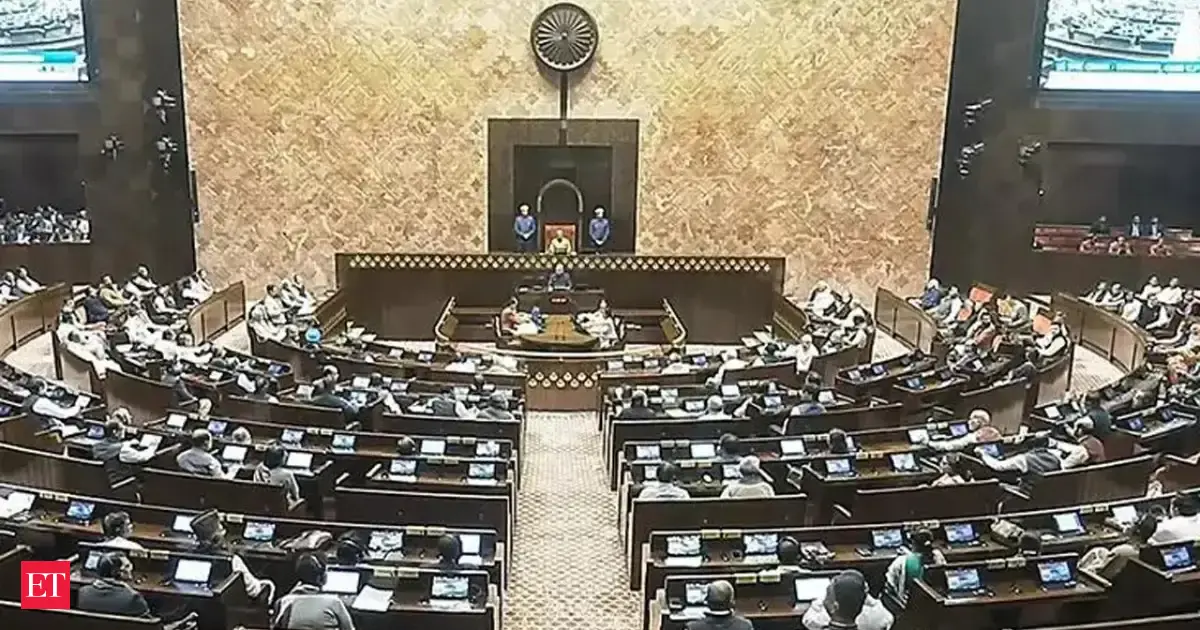
The proposed Central Armed Police Forces (General Administration) Bill, 2026, set to be introduced in Parliament, is not merely an administrative reform; it is a forward-looking legislative step that codifies this proven partnership, ensures operational effectiveness, and addresses long-standing cadre concerns in a balanced manner.
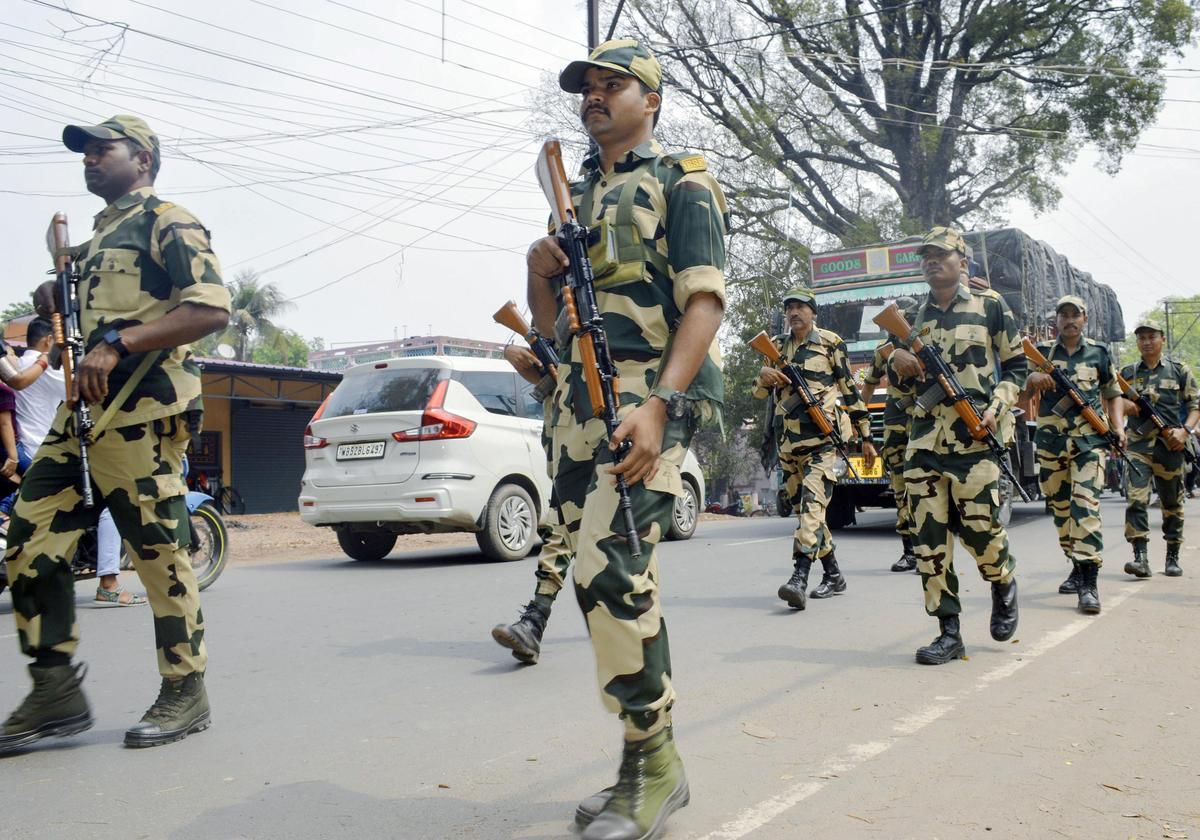
India’s internal security landscape is uniquely complex. Insurgency in the Northeast and Left Wing Extremism (LWE) pockets, cross-border terrorism, porous borders, and emerging hybrid threats demand a unified command structure. The CAPFs (CRPF, BSF, ITBP, CISF, and SSB) form the steel frame of this grid, handling everything from counter-insurgency in LWE areas and anti-terror operations in Jammu & Kashmir to border management in high-altitude and difficult terrains.
Throughout my career, I have seen IPS officers deputed to CAPFs bring exactly what these forces need: strategic vision drawn from diverse state-level policing experience, intelligence integration, community-centric approaches, and the ability to bridge Centre-State coordination gaps that no single cadre can replicate alone.
At the IG (Operations) level in Odisha, I have personally led and supervised many anti-Naxal operations. In these challenging theatres, IPS officers, including many of my juniors and even seniors, have consistently led operations from the front, demonstrating extraordinary courage and operational acumen.
A shining example of what visionary IPS leadership can achieve is the Greyhounds, the elite anti-Naxal commando force that, under sustained IPS guidance and command, transformed into the most virulent and effective fighting unit against Naxalism in the country. Raised with a sharp focus on rigorous jungle warfare training, intelligence-driven operations, and relentless pursuit tactics, the Greyhounds delivered decisive results that significantly weakened the Maoist ecosystem in its core areas.
This iconic model has since become a global role model for jungle warfare forces, directly inspiring the COBRA battalions of the CRPF, which were designed and shaped by an experienced ex-Greyhounds IPS officer. The success of such specialised units underscores how IPS officers bring not just leadership but also innovative doctrines, operational strategies, and the ability to forge highly motivated, battle-hardened forces tailored to asymmetric threats.
I personally coordinated large-scale anti-Naxal operations where BSF battalions operated shoulder-to-shoulder with state police. IPS leadership at senior levels ensured real-time intelligence sharing, joint planning, and unified command, turning potential silos into a cohesive fighting machine. Similarly, in the BSF, as Additional DG, I experienced firsthand how IPS officers at the helm facilitated seamless integration with state police in border states, prevented duplication of efforts, and brought policy-level standardisation that enhanced operational outcomes.
Whether it was modernising training methodologies, adopting technology-driven intelligence-based operations, or improving human resource management, IPS deputation has consistently professionalised and modernised the CAPFs.
The CAPF (General Administration) Bill, 2026, finally gives statutory backing to this time-tested model. It unifies service rules across all five major CAPFs under one legal umbrella, replacing fragmented executive orders with transparent provisions on recruitment, promotions, cadre reviews, service conditions, disciplinary procedures, welfare measures, and grievance redressal.
Crucially, it earmarks a substantial proportion of higher command positions for IPS officers on deputation: 50% of Inspector General posts, at least 67% of Additional Director General posts, and 100% of Special DG and DG posts. This is not about “dominance” but about preserving the institutional mechanism that Sardar Patel envisioned — a unified national security framework where All India Services act as the vital bridge between Centre and States.
Critics, including some CAPF veterans, have raised concerns about career stagnation and the impact of IPS deputation on promotional avenues for cadre officers. However, the Bill is not a zero-sum game. It simultaneously creates hundreds of additional senior posts for CAPF cadre officers, implements transparent promotion policies, fixed tenures, and stronger grievance mechanisms. It also paves the way for Organised Group ‘A’ Status benefits while retaining IPS expertise, where it delivers strategic value, exactly the balanced framework India needs.
My own experience reinforces this. In BSF operations, IPS officers at DIG level and IG level brought fresh perspectives from state policing that strengthened community outreach and intelligence-led actions in border areas. Extending such integration to mid-career levels, as the Bill enables, will only deepen mutual understanding between state police and CAPFs, particularly vital in LWE and insurgency theatres where joint operations are the norm, not the exception.
Let us also remember the human cost. IPS officers have consistently led from the front, with many making the ultimate sacrifice. Names like Hemant Karkare, Ashok Kamte, Vijay Salaskar, and countless others in CAPF-led operations stand as testaments to this shared commitment. Their legacy demands leadership that transcends cadre boundaries.
The growth of CAPFs into world-class forces, from expanded manpower to cutting-edge capabilities, has been inseparable from IPS vision and mentorship. As India confronts evolving hybrid threats, the need for adaptive, coordinated, and professional leadership has never been greater. The CAPF Bill 2026 delivers precisely that: statutory clarity, career justice for cadre officers, and the retention of a leadership model that has delivered results for decades.
In my decades of service across state operations and central forces, I have seen no better formula for internal security than this unique IPS-CAPF partnership. The Bill is a mature, statesmanlike response that strengthens both organizational efficiency and national resolve. It deserves wholehearted support from all stakeholders committed to a safer, more secure India.