‘BJP swallows its allies’: Old accusation is back after Annamalai’s departure, but It’s the allies who backstabbed BJP first
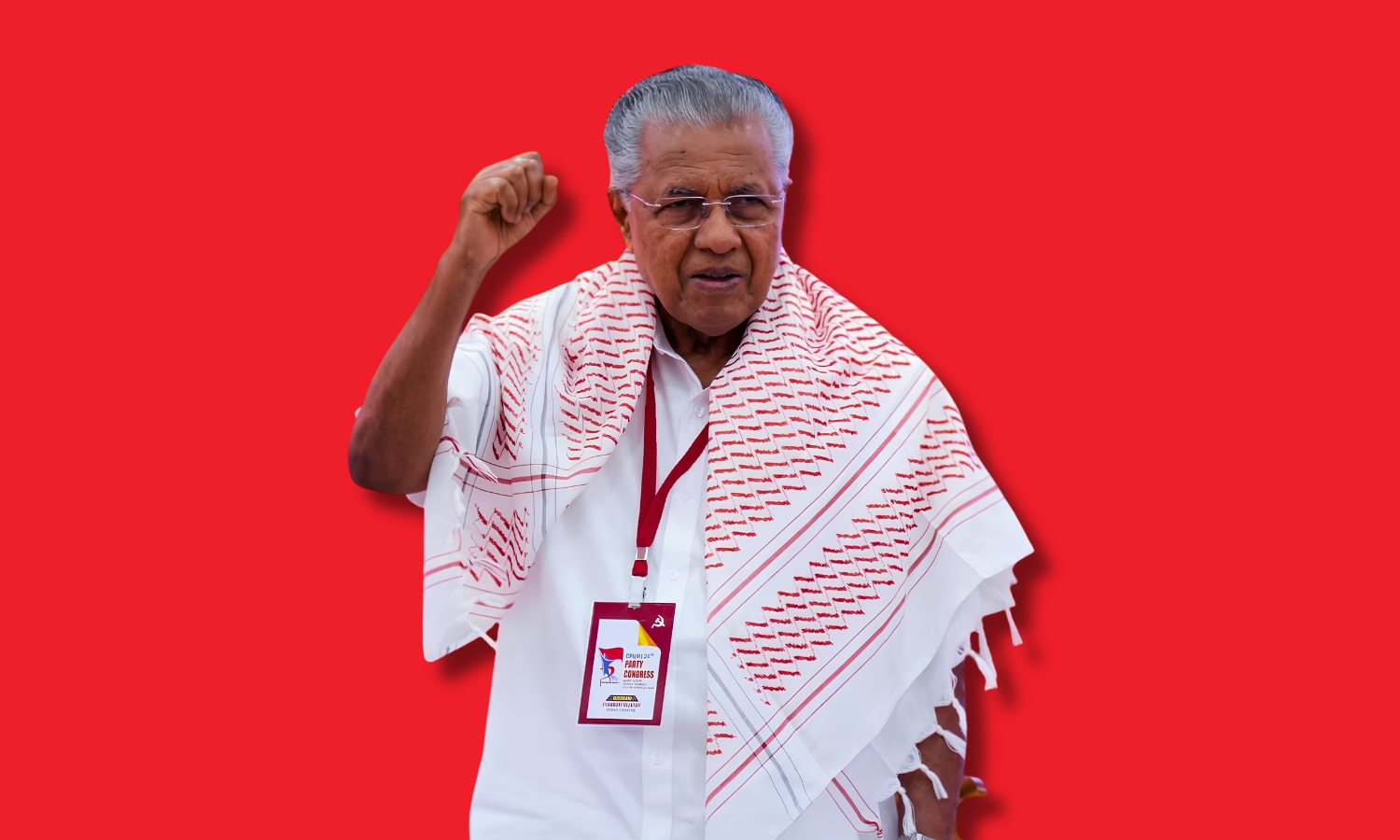
K. Annamalai, one of the most talked-about faces of the BJP not just in Tamil Nadu but across South India, has left the party. He has announced that he will be launching a new party and will now lead a people’s movement in Tamil Nadu and contest elections. He relaunched his We The Leaders foundation as his new political movement. After his exit, social media has been buzzing with the claim that the BJP abandons its leaders or allies midway through the journey. However, we will examine in this article how much truth there is to this. Let’s start with the BJP and Annamalai himself. He could have easily resigned from Tamil Nadu, but that’s not what happened. The BJP made continuous efforts to keep him in the party. From party president Nitin Nadda to Home Minister Amit Shah, they spoke to him, understood his grievances, and assured him of continued support. But things didn’t work out, and Annamalai had his own reasons too. It was the BJP that gave Annamalai the opportunity to lead the party in Tamil Nadu and put its full strength behind him. On public platforms, from Prime Minister Narendra Modi to senior BJP leaders, the way they addressed him with such warmth made it clear that they saw him as a future leader. But if this partnership didn’t last long, the BJP alone cannot be held responsible. The allegation is that the BJP finishes off its allies, gradually weakens them, and eventually takes over their political space. This charge has been repeated so often that many people have almost accepted it as fact. But is the picture really that simple? Did the BJP sideline its allies in every state, or in many cases did it give them leadership, respect, and space even when it held the upper hand politically? If we understand Indian politics not just through accusations but through examples and the sequence of events, another side becomes clear: a major foundation of the BJP’s coalition politics has been the strategy of taking allies along. This strategy hasn’t always succeeded. There have been differences and broken relationships, but calling it the BJP’s inherent nature to destroy allies looks like an incomplete argument in the face of facts. Let’s look at Bihar first. The relationship between Nitish Kumar’s JD(U) and the BJP is a long-standing one. Nitish has been the Chief Minister of the state alongside the BJP for a long time. In the 2020 Assembly elections, the BJP won 74 seats while the JD(U) was reduced to 43. The BJP had clearly become the bigger party. Normal political arithmetic would suggest the Chief Minister should have been from the BJP, but that didn’t happen. Nitish Kumar remained Chief Minister. Despite its strong mandate, the BJP prioritised coalition dharma and kept the ally’s leader in the top post. This was no small political event. Power in Indian politics often runs on numbers, but here the BJP put the coalition above numbers. Later, in 2022, the JD(U) itself left the NDA and joined the Mahagathbandhan, meaning the initiative to break the relationship did not come from the BJP. Now both parties are together again, and the JD(U)’s political space remains just as strong. Bihar is not limited to just the JD(U). The BJP has consistently given political space to Jitan Ram Manjhi’s Hindustani Awam Morcha (HAM). Mukesh Sahni’s VIP party was also accommodated in the alliance, and Chirag Paswan’s LJP (Ram Vilas) has remained in the NDA with continued political relevance. These were parties with limited seats of their own, yet the BJP gave them political relevance. If the goal was only to finish off allies, why would the BJP accept the compulsion of sharing seats and its vote bank with smaller parties? Maharashtra’s example is equally interesting. The relationship between the BJP and Shiv Sena was not a 5-10 year one but lasted nearly three decades. From the late 1980s, both parties came together and formed an ideological partnership in Maharashtra’s politics. In the 2019 Assembly elections, they contested together and secured a majority. The BJP won 105 seats and the Shiv Sena 56. But during government formation, there was a dispute over the Chief Minister’s post, and Uddhav Thackeray decided to form the government with Congress and NCP. Here too, the initiative to break the alliance did not come from the BJP. Yes, later there was a split in Shiv Sena, and the Eknath Shinde faction joined the BJP. Critics may call this the BJP’s strategy, but an equally big fact is that the BJP could have kept the Chief Minister’s post for itself if it wanted, yet it made Shinde the Chief Minister. Even as the biggest force in Maharashtra, putting forward an ally’s face was part of the BJP’s coalition style. In Punjab, the Shiromani Akali Dal was the BJP’s oldest ally. Their relationship lasted more than two decades. Differences grew over the farm laws, and in 2020 the Akali Dal decided to leave the NDA. It is another matter that the pressure of the farmers’ movement and P
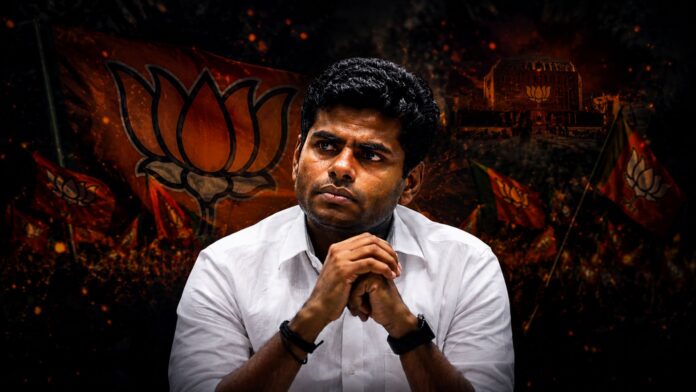
K. Annamalai, one of the most talked-about faces of the BJP not just in Tamil Nadu but across South India, has left the party. He has announced that he will be launching a new party and will now lead a people’s movement in Tamil Nadu and contest elections. He relaunched his We The Leaders foundation as his new political movement.
After his exit, social media has been buzzing with the claim that the BJP abandons its leaders or allies midway through the journey.
However, we will examine in this article how much truth there is to this. Let’s start with the BJP and Annamalai himself. He could have easily resigned from Tamil Nadu, but that’s not what happened.
The BJP made continuous efforts to keep him in the party. From party president Nitin Nadda to Home Minister Amit Shah, they spoke to him, understood his grievances, and assured him of continued support. But things didn’t work out, and Annamalai had his own reasons too.
It was the BJP that gave Annamalai the opportunity to lead the party in Tamil Nadu and put its full strength behind him. On public platforms, from Prime Minister Narendra Modi to senior BJP leaders, the way they addressed him with such warmth made it clear that they saw him as a future leader. But if this partnership didn’t last long, the BJP alone cannot be held responsible.
The allegation is that the BJP finishes off its allies, gradually weakens them, and eventually takes over their political space. This charge has been repeated so often that many people have almost accepted it as fact. But is the picture really that simple? Did the BJP sideline its allies in every state, or in many cases did it give them leadership, respect, and space even when it held the upper hand politically?
If we understand Indian politics not just through accusations but through examples and the sequence of events, another side becomes clear: a major foundation of the BJP’s coalition politics has been the strategy of taking allies along. This strategy hasn’t always succeeded. There have been differences and broken relationships, but calling it the BJP’s inherent nature to destroy allies looks like an incomplete argument in the face of facts.
Let’s look at Bihar first. The relationship between Nitish Kumar’s JD(U) and the BJP is a long-standing one. Nitish has been the Chief Minister of the state alongside the BJP for a long time. In the 2020 Assembly elections, the BJP won 74 seats while the JD(U) was reduced to 43. The BJP had clearly become the bigger party. Normal political arithmetic would suggest the Chief Minister should have been from the BJP, but that didn’t happen.
Nitish Kumar remained Chief Minister. Despite its strong mandate, the BJP prioritised coalition dharma and kept the ally’s leader in the top post. This was no small political event. Power in Indian politics often runs on numbers, but here the BJP put the coalition above numbers.
Later, in 2022, the JD(U) itself left the NDA and joined the Mahagathbandhan, meaning the initiative to break the relationship did not come from the BJP. Now both parties are together again, and the JD(U)’s political space remains just as strong.
Bihar is not limited to just the JD(U). The BJP has consistently given political space to Jitan Ram Manjhi’s Hindustani Awam Morcha (HAM). Mukesh Sahni’s VIP party was also accommodated in the alliance, and Chirag Paswan’s LJP (Ram Vilas) has remained in the NDA with continued political relevance.
These were parties with limited seats of their own, yet the BJP gave them political relevance. If the goal was only to finish off allies, why would the BJP accept the compulsion of sharing seats and its vote bank with smaller parties?
Maharashtra’s example is equally interesting. The relationship between the BJP and Shiv Sena was not a 5-10 year one but lasted nearly three decades. From the late 1980s, both parties came together and formed an ideological partnership in Maharashtra’s politics.
In the 2019 Assembly elections, they contested together and secured a majority. The BJP won 105 seats and the Shiv Sena 56. But during government formation, there was a dispute over the Chief Minister’s post, and Uddhav Thackeray decided to form the government with Congress and NCP. Here too, the initiative to break the alliance did not come from the BJP.
Yes, later there was a split in Shiv Sena, and the Eknath Shinde faction joined the BJP. Critics may call this the BJP’s strategy, but an equally big fact is that the BJP could have kept the Chief Minister’s post for itself if it wanted, yet it made Shinde the Chief Minister. Even as the biggest force in Maharashtra, putting forward an ally’s face was part of the BJP’s coalition style.
In Punjab, the Shiromani Akali Dal was the BJP’s oldest ally. Their relationship lasted more than two decades. Differences grew over the farm laws, and in 2020 the Akali Dal decided to leave the NDA. It is another matter that the pressure of the farmers’ movement and Punjab politics forced the Akali Dal to take this decision, but the fact is that the announcement to exit the alliance came from the Akali Dal’s side. The BJP did not push out its oldest ally; the ally itself chose a different path.
In Uttar Pradesh, the BJP’s politics also shows a model of keeping allies together. Whether it is Anupriya Patel of Apna Dal (S) or Sanjay Nishad of the Nishad Party, the BJP has not treated these parties merely as election-time necessities.
They were given representation in the ministry, a share in seats, and space in social equations. The BJP has always understood that politics in a huge state like Uttar Pradesh cannot be fought alone; expanding the social base is only possible with allies.
In the Northeast, the BJP’s coalition policy is perhaps most clearly visible. In Nagaland, the BJP contested with the Nationalist Democratic Progressive Party (NDPP) and accepted regional leadership. In Assam, the Asom Gana Parishad (AGP) was kept along.
In Meghalaya and Manipur too, a model of shared power with regional parties was adopted. The BJP could have played ‘big brother’ politics based on its national strength, but in the Northeast it chose the path of coordination with local leadership and regional aspirations. This is why the NDA expanded fastest in the Northeast.
Andhra Pradesh is a new example. After 2024, when Chandrababu Naidu’s TDP emerged as an important ally for the NDA, the BJP not only gave them importance but also tried to keep the alliance stable. At the national level, the BJP publicly acknowledged the importance of allies in the majority equation. This is the same politics that signals ‘take everyone along’ instead of ‘go it alone’.
Interestingly, the people who level the most accusations against the BJP are the ones who forget Congress’s coalition politics. History is full of such examples. Recently, in Tamil Nadu too, something similar was seen. Congress had been with the DMK for years, but as soon as the political equations changed, distances grew. Congress stabbed the DMK in the back and joined hands with Vijay’s TVK.
It is also true that coalition politics is not always an equal relationship. The bigger party is naturally more influential. The BJP is no exception. Many allies have become weaker, and the mass base of some parties has been affected by the BJP’s expansion. But the question is whether this was the BJP’s ‘conspiracy’ or the natural outcome of Indian politics.
What is clear is that the BJP has, on many occasions, even when in a position of political advantage, given leadership to allies, stepped aside from the Chief Minister’s post, shared seats, and given space to smaller parties in national politics. Examples like Nitish Kumar in Bihar, Shinde in Maharashtra, Apna Dal and Nishad Party in Uttar Pradesh, and many others do not seem like mere coincidences.
Therefore, when it is said that the BJP ‘swallows’ its allies, one should also ask: if that were the case, why do so many regional parties keep returning to it again and again?