BJP slams Congress for pushing India to support Iran, says foreign policy must remain balanced: Read why India can’t blindly side with Iran
The debate over India’s stance on the escalating tensions in West Asia intensified on Thursday, 5th March, after the Bharatiya Janata Party (BJP) strongly criticised the Indian National Congress (INC) for demanding that India “blindly side with Iran.” India cannot afford to take impulsive decisions in a region where millions of its citizens live and work. BJP’s statement is a reflection of their opinion that the safety of Indian citizens and the smooth functioning of critical global energy routes should remain a top priority for the Indian government. BJP IT cell chief, Amit Malviya, shared a post on X on Thursday, 5th March, saying, “India’s foreign policy must be guided by national interest and the safety of its citizens, not by the compulsions of Congress’s outdated ideological reflexes.” Even China, which spent years diplomatically shielding Iran, overlooking its support for proxy terror groups and buying the bulk of its oil, is now distancing itself from Tehran.Yet the Indian National Congress wants India to blindly side with Iran, even as it continues… pic.twitter.com/MMU3sGqSPE— Amit Malviya (@amitmalviya) March 5, 2026 He also said that even China, which is Iran’s strongest economic ally in the world, is taking a distant and cautious stand in the current crisis. Changing global power dynamics after the Cold War The current geopolitical scenario has its roots in the global developments and changes that took place after the end of the Cold War. On 9th November 1989, the fall of the Berlin Wall marked the end of Soviet-backed East Germany and its merger with West Germany, which was supported by the United States and NATO. The fall of the Berlin Wall was not just the reunion of a divided nation, but also marked the end of the decades-long rivalry between the Soviet Union and the West. After the fall of the Soviet Union, the world order, which was previously dominated by two superpowers, came to an end. For the first time since the Second World War, political strategists and thinkers started discussing and debating the new power structures of the world. Some of them believed that the world would turn into a multipolar world, while others believed that there would be another power in the world, which could compete and even threaten the United States. In the 2010s, when China’s economy crossed the $10 trillion mark, many political strategists and thinkers believed that China was destined to replace the Soviet Union in balancing the power of the United States. However, recent events have raised doubts about whether China is willing to play that role. Venezuela episode raises questions about China’s influence Another example is the situation in Venezuela. Under the leadership of Nicolas Maduro, China became one of the biggest economic partners of Venezuela. According to a report published by Reuters, China was buying around 500,000 barrels of oil from Venezuela on a daily basis in 2025. Moreover, Chinese companies have invested heavily in the oil industry of Venezuela, and this investment has been reported to exceed $2 billion. A significant part of this engagement was not just buying oil from Venezuela but also selling military equipment to the country. According to the Washington-based think tank CSIS and its China Power project, China sold almost 600 million dollars’ worth of arms to Venezuela from 2015 to 2025, including armoured vehicles, training planes, missiles, and helicopters. Despite these deep economic and strategic ties, China’s response was limited when the United States launched an operation in January 2026, resulting in the removal of Maduro and the establishment of a new government in Venezuela. Beijing issued a formal statement criticising the move at the United Nations Security Council, but beyond diplomatic remarks, it took no concrete action. Even China’s economic interests suffered, with the oil it received from Venezuela reportedly dropping by nearly 50%. Notably, Chinese leadership avoided strong direct criticism and did not take steps such as economic retaliation or strategic intervention. Iran crisis shows a similar pattern A similar pattern has been visible in the case of Iran. For years, China has been one of Iran’s major allies. It has purchased a significant portion of crude oil from Iran and has signed a 25-year strategic partnership agreement with it. Iran is also an important part of China’s Belt and Road Initiative. Chinese companies have invested billions of dollars in infrastructure projects in Iran, including its metro system in the capital city, Tehran. Despite these deep economic ties, China’s reaction to the latest conflict involving Iran has remained cautious. When Iranian leadership and key facilities were under attack in the latest round of conflict between the US and Israel, China’s response was limited, largely to diplomatic statements. Chinese officials made their usual rhetoric about “respe
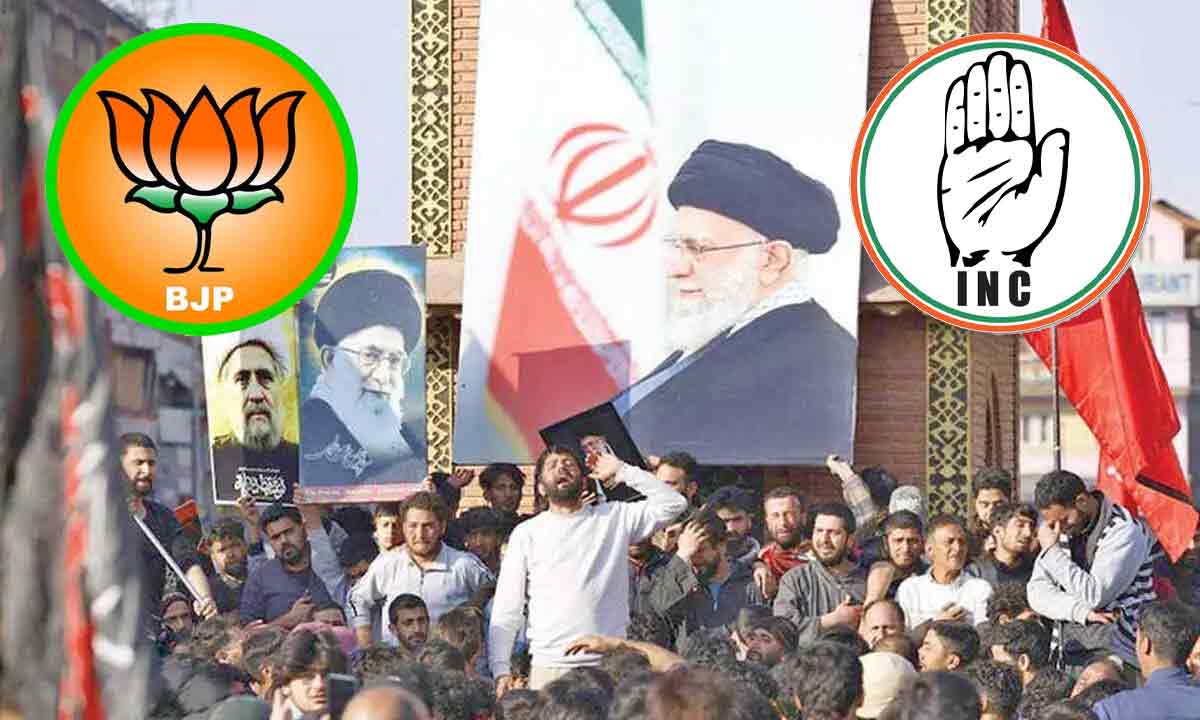
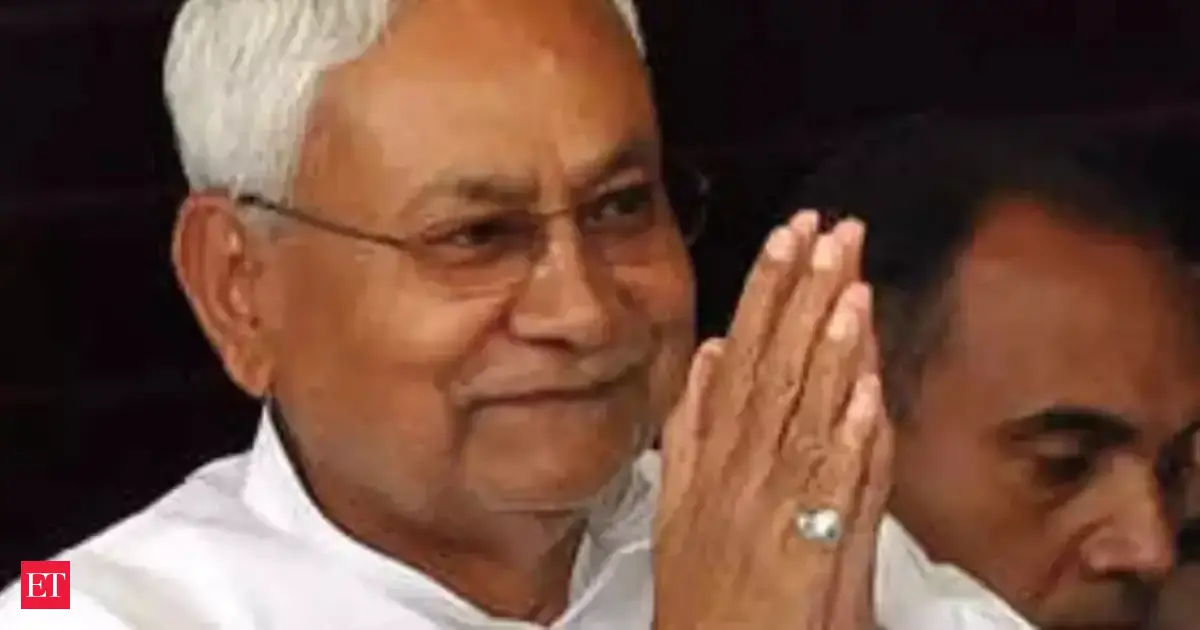
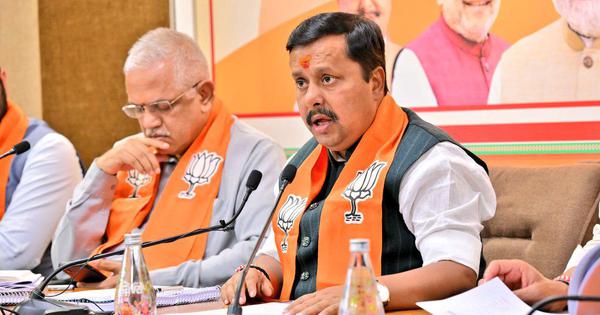
The debate over India’s stance on the escalating tensions in West Asia intensified on Thursday, 5th March, after the Bharatiya Janata Party (BJP) strongly criticised the Indian National Congress (INC) for demanding that India “blindly side with Iran.”
India cannot afford to take impulsive decisions in a region where millions of its citizens live and work. BJP’s statement is a reflection of their opinion that the safety of Indian citizens and the smooth functioning of critical global energy routes should remain a top priority for the Indian government.
BJP IT cell chief, Amit Malviya, shared a post on X on Thursday, 5th March, saying, “India’s foreign policy must be guided by national interest and the safety of its citizens, not by the compulsions of Congress’s outdated ideological reflexes.”
Even China, which spent years diplomatically shielding Iran, overlooking its support for proxy terror groups and buying the bulk of its oil, is now distancing itself from Tehran.Yet the Indian National Congress wants India to blindly side with Iran, even as it continues… pic.twitter.com/MMU3sGqSPE— Amit Malviya (@amitmalviya) March 5, 2026
He also said that even China, which is Iran’s strongest economic ally in the world, is taking a distant and cautious stand in the current crisis.
Changing global power dynamics after the Cold War
The current geopolitical scenario has its roots in the global developments and changes that took place after the end of the Cold War. On 9th November 1989, the fall of the Berlin Wall marked the end of Soviet-backed East Germany and its merger with West Germany, which was supported by the United States and NATO.
The fall of the Berlin Wall was not just the reunion of a divided nation, but also marked the end of the decades-long rivalry between the Soviet Union and the West.
After the fall of the Soviet Union, the world order, which was previously dominated by two superpowers, came to an end. For the first time since the Second World War, political strategists and thinkers started discussing and debating the new power structures of the world. Some of them believed that the world would turn into a multipolar world, while others believed that there would be another power in the world, which could compete and even threaten the United States.
In the 2010s, when China’s economy crossed the $10 trillion mark, many political strategists and thinkers believed that China was destined to replace the Soviet Union in balancing the power of the United States. However, recent events have raised doubts about whether China is willing to play that role.
Venezuela episode raises questions about China’s influence
Another example is the situation in Venezuela.
Under the leadership of Nicolas Maduro, China became one of the biggest economic partners of Venezuela. According to a report published by Reuters, China was buying around 500,000 barrels of oil from Venezuela on a daily basis in 2025.
Moreover, Chinese companies have invested heavily in the oil industry of Venezuela, and this investment has been reported to exceed $2 billion. A significant part of this engagement was not just buying oil from Venezuela but also selling military equipment to the country.
According to the Washington-based think tank CSIS and its China Power project, China sold almost 600 million dollars’ worth of arms to Venezuela from 2015 to 2025, including armoured vehicles, training planes, missiles, and helicopters.
Despite these deep economic and strategic ties, China’s response was limited when the United States launched an operation in January 2026, resulting in the removal of Maduro and the establishment of a new government in Venezuela.
Beijing issued a formal statement criticising the move at the United Nations Security Council, but beyond diplomatic remarks, it took no concrete action. Even China’s economic interests suffered, with the oil it received from Venezuela reportedly dropping by nearly 50%.
Notably, Chinese leadership avoided strong direct criticism and did not take steps such as economic retaliation or strategic intervention.
Iran crisis shows a similar pattern
A similar pattern has been visible in the case of Iran.
For years, China has been one of Iran’s major allies. It has purchased a significant portion of crude oil from Iran and has signed a 25-year strategic partnership agreement with it.
Iran is also an important part of China’s Belt and Road Initiative. Chinese companies have invested billions of dollars in infrastructure projects in Iran, including its metro system in the capital city, Tehran.
Despite these deep economic ties, China’s reaction to the latest conflict involving Iran has remained cautious. When Iranian leadership and key facilities were under attack in the latest round of conflict between the US and Israel, China’s response was limited, largely to diplomatic statements.
Chinese officials made their usual rhetoric about “respecting sovereignty and upholding the UN charter,” but no political, economic, or military aid was forthcoming.
Why India cannot blindly align with Iran
These developments highlight an important lesson in international relations: countries ultimately act in their own national interest.
Even China, which spent years diplomatically shielding Iran and purchasing large quantities of its oil, appears to be distancing itself when the situation becomes risky.
In contrast, the Indian National Congress have been demanding that India openly support Iran and confront the United States and Israel.
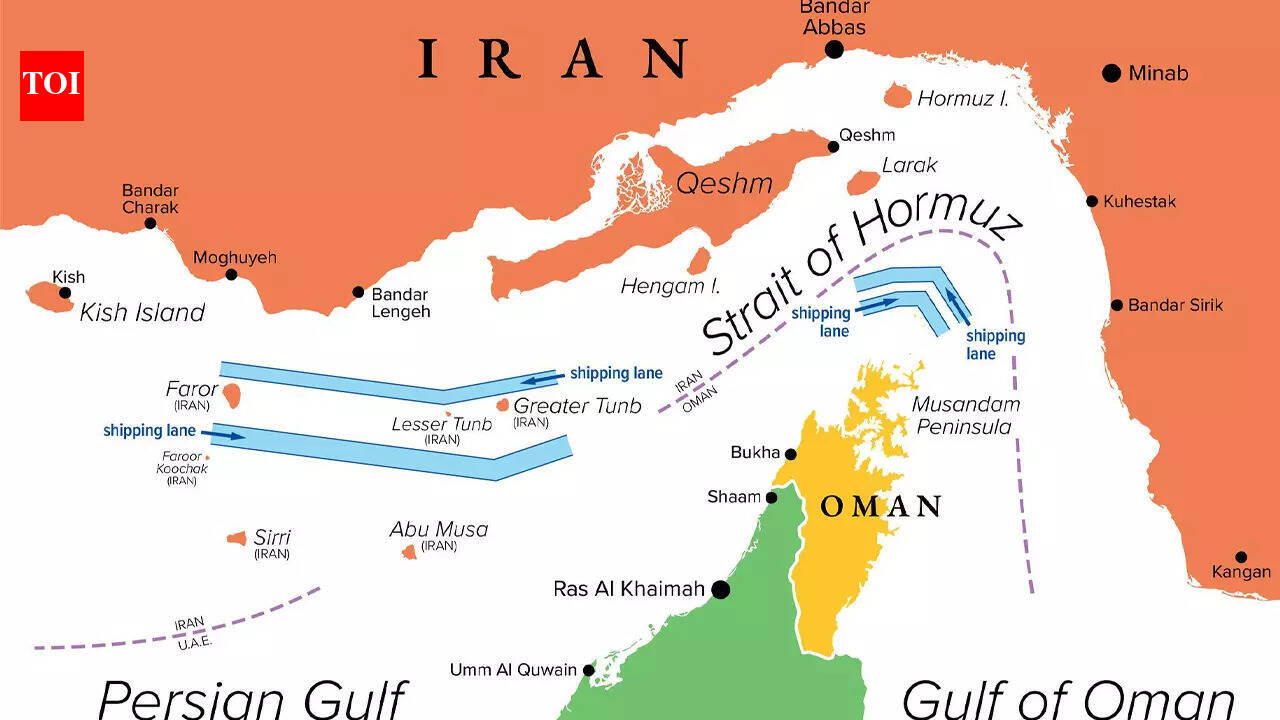
Such suggestions are unrealistic and dangerous. The Gulf region is critical for India’s economy, energy security, and the safety of its diaspora. Millions of Indians live and work in the region, and India depends heavily on oil shipments that pass through strategic routes like the Strait of Hormuz.
If tensions escalate and shipping routes are disrupted, India could face serious economic consequences.