Big jolt to Congress in Uttar Pradesh: Read why senior leader Naseemuddin Siddiqui resigned and how it may affect the party
On the one hand, the Indian National Congress is suffering from a series of repeated electoral setbacks and on the other hand, senior leaders are leaving the party on a regular basis. Now, a similar situation has arisen that could jeopardise the grand old party’s narrow prospects in the upcoming assembly polls in Uttar Pradesh. Senior leader Naseemuddin Siddiqui unexpectedly resigned on 24th January (Saturday) along with seventy-two other leaders, including two dozen ex-MLAs. Former Uttar Pradesh Minister and Congress leader Naseemuddin Siddiqui resigns from Congress pic.twitter.com/s4yIkuxXq0— IANS (@ians_india) January 24, 2026 The former senior functionary insisted, “I had joined the Congress along with my associates to fight against injustice rooted in caste and communal discrimination. But I am not able to fight that battle here. That is why I have resigned.” Afterwards, prominent Congress leaders from the state, Avinash Pande and Ajay Rai visited him and had an hour-long conversation. Rai later stated, “We are hopeful that he will not leave the party.” The development happened alongside the party’s Samvidhan Samvad Mahapanchayat, a series of 30 conventions held around the state on matters such as Special Intensive Reservation of the electoral roll. According to sources, Siddiqui felt marginalised in the party and was dissatisfied with the Congress leadership. On 20th January, he tried to meet the Leader of the Opposition in Lok Sabha, Rahul Gandhi, who was travelling to his Raebareli constituency however failed despite hurrying to the Lucknow airport from Moradabad. Siddiqui has stated that he had been trying for about a year to have time for an extensive discussion with him but he had been unsuccessful in gaining a greater stake in the party’s decision-making process. However, he described himself as “a person who works on the ground at the grassroots level” and added that he felt his work style had not been fully used over the previous eight years. “To put it differently, I felt that rust was settling on my work and on my abilities,” he further mentioned. Lucknow, Uttar Pradesh: After resigning from the Congress, Nasimuddin Siddiqui says, “I joined the Congress Party eight years ago, but I am a person who works on the ground, at the grassroots level… Over the last eight years, I felt that my style of grassroots work was not… pic.twitter.com/8lCuS0pTdk— IANS (@ians_india) January 24, 2026 According to Siddiqui, a decision on the future course of action would be made collectively and conversations were in progress with all of the individuals who had resigned with him. He declared, “We are holding discussions with everyone who has stepped down. Whichever direction we agree upon, we will move forward with that and continue the struggle for the people.” Siddiqui and Azad Samaj Party (Kanshi Ram) supremo Chandrashekhar Azad could forge a new political front. His departure also took place one day prior to the latter’s speech at a rally in Agra. Siddiqui earlier served as a minister in the Bahujan Samaj Party (BSP) government. He was later removed from BSP due to anti-party activities in 2017 and became a member of Congress in February 2018. A serious hit to a faltering Uttar Pradesh Congress The loss of Naseemuddin Siddiqui has dealt a considerable blow to the Uttar Pradesh Congress which is desperately trying to fortify its fragile foundation in the poll-bound state and improve its position within a potential alliance with the Samajwadi Party (SP). Uttar Pradesh Congress Committee president Ajay Rai and All India Congress Committee (AICC) national secretary in charge of the state Avinash Pande visited his home to try to convince him to change his mind but did not succeed. This immediate response to bring Naseemuddin Siddiqui back to the Congress fold outlined the impact of his voluntary exit, particularly in light of the upcoming elections. However, he didn’t waver and has already started considering alternative political choices for the future. Insiders disclosed that Siddiqui had been feeling excluded for a while, as he did not have an influential role in the party currently, reported The Indian Express. His action is reported to have been prompted by two recent events, including when he was turned away at the airport during Rahul Gandhi’s trip to the state. However, Siddiqui has denied that it had any bearing on his resignation. He declared, “I was unable to work in my own style, which is grassroots-based. I did not have any significant work. For long, I felt I was unable to utilise my abilities within the Congress. I have 36 years of experience. I joined the party to contribute, but that did not happen,” at the time of the resignation alluding to his dissatisfaction with the party. Congress believes that the political message conveyed by the ouster could be more challenging to handle than the loss of a specific person. According to people close to Siddiqu
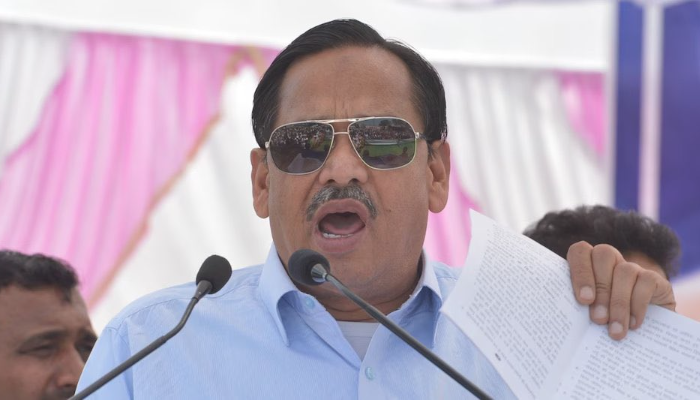

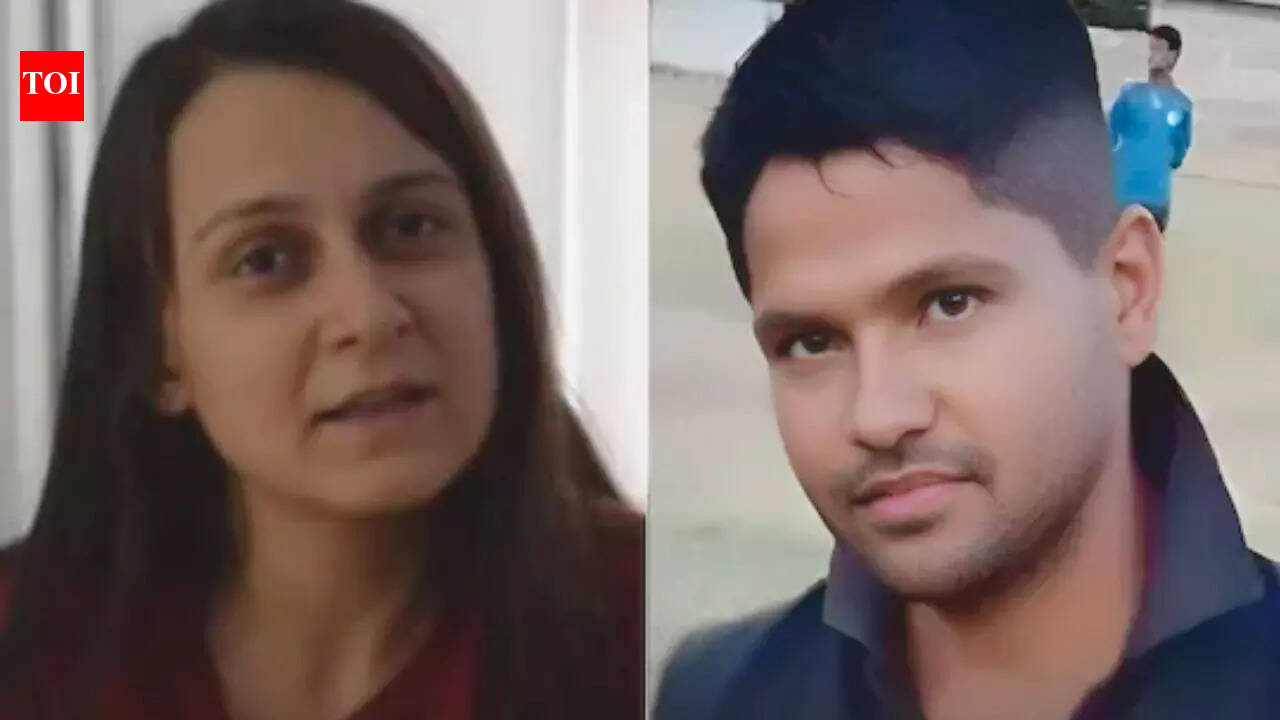
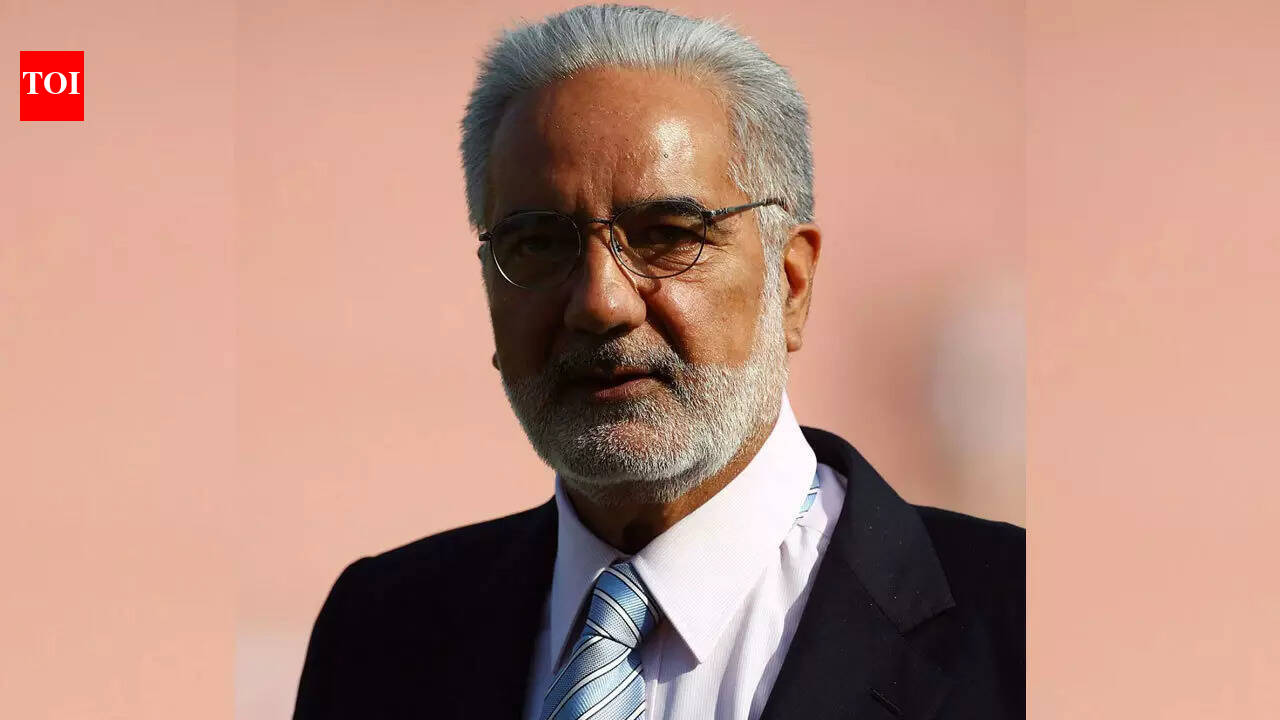
On the one hand, the Indian National Congress is suffering from a series of repeated electoral setbacks and on the other hand, senior leaders are leaving the party on a regular basis. Now, a similar situation has arisen that could jeopardise the grand old party’s narrow prospects in the upcoming assembly polls in Uttar Pradesh. Senior leader Naseemuddin Siddiqui unexpectedly resigned on 24th January (Saturday) along with seventy-two other leaders, including two dozen ex-MLAs.
Former Uttar Pradesh Minister and Congress leader Naseemuddin Siddiqui resigns from Congress pic.twitter.com/s4yIkuxXq0
— IANS (@ians_india) January 24, 2026
The former senior functionary insisted, “I had joined the Congress along with my associates to fight against injustice rooted in caste and communal discrimination. But I am not able to fight that battle here. That is why I have resigned.” Afterwards, prominent Congress leaders from the state, Avinash Pande and Ajay Rai visited him and had an hour-long conversation. Rai later stated, “We are hopeful that he will not leave the party.”
The development happened alongside the party’s Samvidhan Samvad Mahapanchayat, a series of 30 conventions held around the state on matters such as Special Intensive Reservation of the electoral roll. According to sources, Siddiqui felt marginalised in the party and was dissatisfied with the Congress leadership. On 20th January, he tried to meet the Leader of the Opposition in Lok Sabha, Rahul Gandhi, who was travelling to his Raebareli constituency however failed despite hurrying to the Lucknow airport from Moradabad.
Siddiqui has stated that he had been trying for about a year to have time for an extensive discussion with him but he had been unsuccessful in gaining a greater stake in the party’s decision-making process. However, he described himself as “a person who works on the ground at the grassroots level” and added that he felt his work style had not been fully used over the previous eight years. “To put it differently, I felt that rust was settling on my work and on my abilities,” he further mentioned.
Lucknow, Uttar Pradesh: After resigning from the Congress, Nasimuddin Siddiqui says, “I joined the Congress Party eight years ago, but I am a person who works on the ground, at the grassroots level… Over the last eight years, I felt that my style of grassroots work was not… pic.twitter.com/8lCuS0pTdk
— IANS (@ians_india) January 24, 2026
According to Siddiqui, a decision on the future course of action would be made collectively and conversations were in progress with all of the individuals who had resigned with him. He declared, “We are holding discussions with everyone who has stepped down. Whichever direction we agree upon, we will move forward with that and continue the struggle for the people.”
Siddiqui and Azad Samaj Party (Kanshi Ram) supremo Chandrashekhar Azad could forge a new political front. His departure also took place one day prior to the latter’s speech at a rally in Agra. Siddiqui earlier served as a minister in the Bahujan Samaj Party (BSP) government. He was later removed from BSP due to anti-party activities in 2017 and became a member of Congress in February 2018.
A serious hit to a faltering Uttar Pradesh Congress
The loss of Naseemuddin Siddiqui has dealt a considerable blow to the Uttar Pradesh Congress which is desperately trying to fortify its fragile foundation in the poll-bound state and improve its position within a potential alliance with the Samajwadi Party (SP).
Uttar Pradesh Congress Committee president Ajay Rai and All India Congress Committee (AICC) national secretary in charge of the state Avinash Pande visited his home to try to convince him to change his mind but did not succeed. This immediate response to bring Naseemuddin Siddiqui back to the Congress fold outlined the impact of his voluntary exit, particularly in light of the upcoming elections. However, he didn’t waver and has already started considering alternative political choices for the future.
Insiders disclosed that Siddiqui had been feeling excluded for a while, as he did not have an influential role in the party currently, reported The Indian Express. His action is reported to have been prompted by two recent events, including when he was turned away at the airport during Rahul Gandhi’s trip to the state. However, Siddiqui has denied that it had any bearing on his resignation.
He declared, “I was unable to work in my own style, which is grassroots-based. I did not have any significant work. For long, I felt I was unable to utilise my abilities within the Congress. I have 36 years of experience. I joined the party to contribute, but that did not happen,” at the time of the resignation alluding to his dissatisfaction with the party.
Congress believes that the political message conveyed by the ouster could be more challenging to handle than the loss of a specific person.
According to people close to Siddiqui, he has been contacted by Chandra Shekhar Azad, BSP and SP. Others like former minister and Rashtriya Shoshit Samaj Party (RSSP) chairman Swami Prasad Maurya have also reached out to him but he has not yet made his mind. Siddiqui asserted to have the support of over 70 powerful groups across regions.
Hence, the opposition is vying for his attention in the hope of solidifying its minority votebank ahead of the assembly elections while his departure is akin to a substantial disaster for the already struggling grand old party.
An unending series of blows for Congress
Siddiqui parted ways from the party only a few months following the departure of generational Congressman Shakeel Ahmad in November. Afterwards, Ahmed commenced a barrage of criticism aimed at the senior leadership, referring to the Gandhi scion as a “coward” and an “insecure” politician. Ahmad indicated that the latter is not only undemocratic, harbouring a superiority complex due to his family heritage but also intimidated by his counterparts who possess extensive grassroots support or popularity.
“There is no internal democracy in the Congress and whatever Rahul Gandhi says is final. There are many leaders who are disappointed, but their next generation has joined the party. So they are in Congress even after facing humiliation,” Ahmad mentioned. He emphasised that the Raebareli MP has created a strong group within the party operating only within it. Furthermore, he voiced that his revelations have led to a threat against his life as Congress members are planning to attack his Patna and Madhubani residences under the pretext of burning his effigy.
There is an unceasing array of notable figures who have left Rahul Gandhi and Congress to either join the Bharatiya Janata Party, other political groups or form their own parties. However, there has been a striking similarity behind their move. Each of them has pointed out their discontent with the Congress leadership with some being more candid than others.
Ghulam Nabi Azad who left Congress in 2022 and later formed his own political party, explicitly challenged Rahul Gandhi’s ability to lead in his letter addressed to Sonia Gandhi and also slammed its “remote control” culture. Notably, the veteran politician was one of the 23 leaders, collectively referred to as the G-23, who had been outspoken about the need for Congress to alter its structure of authority and stop relying on the Gandhi family for every important matter.
Azad was among a multitude of notable Congress members including Amarinder Singh, Ashwani Kumar, Baba Siddique and even Kapil Sibal. These leaders not only outlined their humiliation at the hands of the top leadership in New Delhi and the neglect of their critical concerns but also stated how the party has completely lost its connection with the grassroots sparking their decision.
Several popular figures from the core team of Rahul Gandhi, such as Milind Deora, Jitin Prasada, RPN Singh and Jyotiraditya Scindia gradually abandoned his side after disgruntlement with the leadership and its blatant disregard for their grievances.
In December 2025, the Odisha Congress expelled senior leader Md Moquim, the father of MLA Sofia Firdaus, just days after he wrote a letter to former party president Sonia Gandhi, questioning the leadership of current Congress chief Mallikarjun Kharge.
Additionally, national spokespersons of Congress such as Gourav Vallabh, Rohan Gupta and Radhika Khera switched their allegiance to represent the saffron party on national television. All three articulated their displeasure with the party’s anti-Hindu stance and opted to leave. Khera even charged that she was subjected to mistreatment for visiting the Ram Mandir in Ayodhya but did not obtain justice from the senior leaders.
Conclusion
Congress has a longstanding tradition of overlooking its leaders, from Mamata Banerjee and Sharad Pawar to Jagan Mohan Reddy and others. Their departure catalysed the formation of powerful regional political parties, creating a substantial dent in voter base of Congress. The same has been consistent over the years, continuing to this day, where either influential Congress leaders are leaving the party or are at odds with the leadership, as illustrated by Shashi Tharoor’s case.
Meanwhile, the power centre within the party remains firmly in the hands of the Gandhi family which is surrounded by its sycophants as Congress jumps from one political defeat after another while simultaneously losing leaders, states and the country. Siddiqui’s move is only a part of this trend and the number of such leaders is only expected to increase in the near future.