Ancient bees used 20,000-year-old tooth sockets as nurseries in a Caribbean cave, and CT scans reveal the first known bee nests inside animal bones
Ancient animal skulls unearthed in a Caribbean cave have revealed a surprising chapter in bee history. For the first time, researchers have found fossilized bee nests dating back 20,000 years, ingeniously crafted within the empty tooth cavities of these ancient creatures. This discovery showcases the remarkable adaptability of solitary bees, who utilized these protected spaces to raise their young, offering a rare glimpse into prehistoric insect behavior.
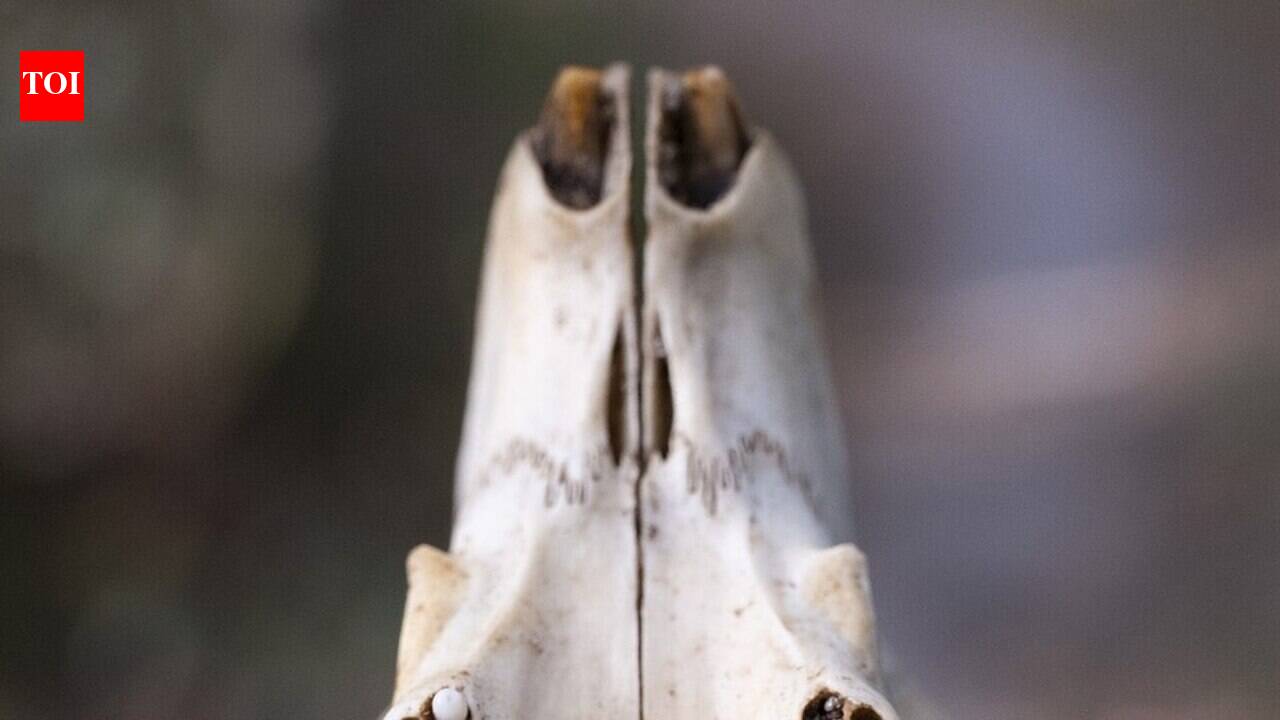
Ancient animal skulls unearthed in a Caribbean cave have revealed a surprising chapter in bee history. For the first time, researchers have found fossilized bee nests dating back 20,000 years, ingeniously crafted within the empty tooth cavities of these ancient creatures. This discovery showcases the remarkable adaptability of solitary bees, who utilized these protected spaces to raise their young, offering a rare glimpse into prehistoric insect behavior.