UP cough syrup case is not linked with Tamil Nadu cough syrup deaths: Read the truth behind Codeine network that Yogi govt is dismantling
The crackdown on the illegal codeine cough syrup network in Uttar Pradesh has intensified sharply. So far, 128 FIRs have been registered, 280 drug licences cancelled, lakhs of bottles seized, and 32 key accused arrested. While the Yogi Adityanath government is moving decisively to dismantle the syndicate, a parallel attempt is underway to spread confusion and misinformation. Unrelated incidents involving cough syrup from different states are being selectively circulated and misrepresented to create false linkages. There is a strong possibility that you, too, may have encountered such misleading claims. To cut through the noise, here is everything you need to know about the Uttar Pradesh cough syrup case. What is the Uttar Pradesh cough syrup case? As explained earlier in detail, the case revolves around an organised criminal racket involved in the illegal stocking, sale, and trafficking of prescription-only cough syrups containing codeine, an opioid drug. No deaths from Codeine cough syrup in UP- CM Yogi CM Yogi exposed links between the drug mafia and Samajwadi Party on the UP Assembly floor. 79 cases filed, 225 accused named, 78 arrested, raids on 134 firms so far in the Codeine cough syrup matter in UP. pic.twitter.com/INkdEfEb5y— OpIndia.com (@OpIndia_com) December 22, 2025 Codeine is a derivative of opium. It is commonly used in cough syrups and can cause mind-numbing effects if taken in excessive amounts. Long-term use of codeine has the potential to cause addiction, similar to heroin or opium. In recent years, its use as a soft drug has increased. These medicines, which cannot be sold without a doctor’s prescription, were being illegally sold using fake documents and forged records to justify massive overstocking. The syrups were then routed through shell companies and smuggled across states. Investigations revealed that the network extended beyond Uttar Pradesh to Kashmir and West Bengal, and even across the border into Bangladesh. Acting on intelligence inputs, the Uttar Pradesh STF conducted a raid in Lucknow, which exposed the entire operation. Is selling this cough syrup illegal? Is the medicine adulterated? No. The medicine itself is not fake or adulterated. Codeine is an opioid that is legally sold only in prescribed quantities via regulated sellers. The network that the UP government is working against, stocked codeine illegally and smuggled it illegally to be used as a addiction inducing drug. On 8 December, FSDA (Food Safety and Drug Administration) Commissioner Roshan Jacob, during a joint press conference in Uttar Pradesh, categorically clarified that all cases so far relate to illegal stocking, sale, and smuggling, not adulteration. No one has died from codeine syrup in Uttar Pradesh – IAS Roshan Jacob (Secretary)1- Codeine is not lethal or illegal, it is a prescription medicine |2- It is completely different from the tragic incident of children's deaths from cough syrup in madhya pradesh @Gandiv_digital pic.twitter.com/05TQb5O0iK— ज्योतिरादित्य (@RaoJyotiraditya) December 8, 2025 The seized cough syrups fall under Schedule H drugs, which are legal medicines meant for human use, but only under medical prescription. The offence lies in violating regulatory norms, selling without prescriptions, and trafficking the drug illegally. Given the scale and intent of the operation, the case has been brought under the Narcotic Drugs and Psychotropic Substances (NDPS) Act, which is why the accused are not getting bail easily. Is this linked to the Tamil Nadu cough syrup deaths? Absolutely not. The tragic deaths of children in Madhya Pradesh and Rajasthan linked to cough syrup manufactured in Tamil Nadu are a completely separate case. That matter is currently under investigation by the central government. That case was about adulterated cough syrups manufactured with DEG, a toxic substance. There has been no instance of child deaths linked to cough syrup in Uttar Pradesh. Any attempt to connect the two cases is deliberate misinformation. The Uttar Pradesh case strictly concerns illegal trafficking of otherwise legal medicines, not deaths caused by contaminated drugs. Is the codeine cough syrup used as an intoxicant? Yes, when misused. Medically, the syrup is prescribed to treat cough and pain. It contains codeine, an opioid derived from opium. Typically, 10–20 mg of codeine per 5 ml is used in these syrups. When consumed strictly as prescribed, it functions as a normal medicine. However, investigations revealed that drug addicts consume it in excessive quantities, leading to intoxication lasting six to eight hours due to high codeine intake. Why does a Rs 120 syrup sell for Rs 1,500? This is where the economics of abuse and smuggling come in. In Muslim-majority countries like Bangladesh and in Indian regions with a high Muslim population, including parts of Uttar Pradesh, Jharkhand, Bihar, West Bengal, Assam, Tripura,
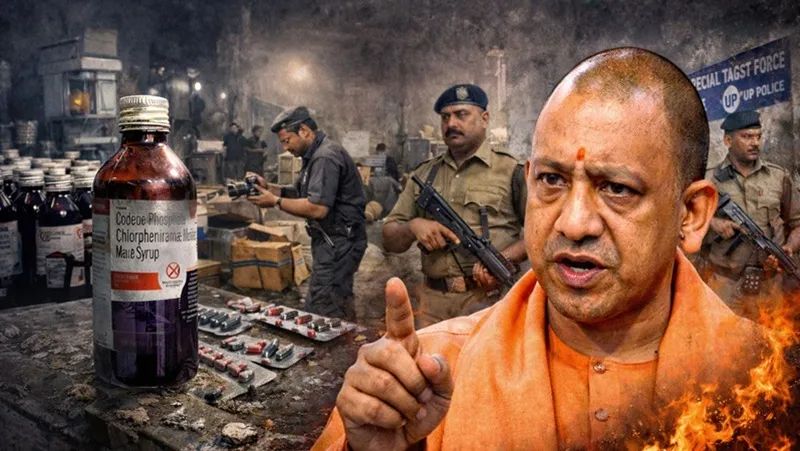

The crackdown on the illegal codeine cough syrup network in Uttar Pradesh has intensified sharply. So far, 128 FIRs have been registered, 280 drug licences cancelled, lakhs of bottles seized, and 32 key accused arrested.
While the Yogi Adityanath government is moving decisively to dismantle the syndicate, a parallel attempt is underway to spread confusion and misinformation. Unrelated incidents involving cough syrup from different states are being selectively circulated and misrepresented to create false linkages. There is a strong possibility that you, too, may have encountered such misleading claims.
To cut through the noise, here is everything you need to know about the Uttar Pradesh cough syrup case.
What is the Uttar Pradesh cough syrup case?
As explained earlier in detail, the case revolves around an organised criminal racket involved in the illegal stocking, sale, and trafficking of prescription-only cough syrups containing codeine, an opioid drug.
No deaths from Codeine cough syrup in UP- CM Yogi
— OpIndia.com (@OpIndia_com) December 22, 2025
CM Yogi exposed links between the drug mafia and Samajwadi Party on the UP Assembly floor.
79 cases filed, 225 accused named, 78 arrested, raids on 134 firms so far in the Codeine cough syrup matter in UP. pic.twitter.com/INkdEfEb5y
Codeine is a derivative of opium. It is commonly used in cough syrups and can cause mind-numbing effects if taken in excessive amounts. Long-term use of codeine has the potential to cause addiction, similar to heroin or opium. In recent years, its use as a soft drug has increased.
These medicines, which cannot be sold without a doctor’s prescription, were being illegally sold using fake documents and forged records to justify massive overstocking. The syrups were then routed through shell companies and smuggled across states.
Investigations revealed that the network extended beyond Uttar Pradesh to Kashmir and West Bengal, and even across the border into Bangladesh. Acting on intelligence inputs, the Uttar Pradesh STF conducted a raid in Lucknow, which exposed the entire operation.
Is selling this cough syrup illegal? Is the medicine adulterated?
No. The medicine itself is not fake or adulterated. Codeine is an opioid that is legally sold only in prescribed quantities via regulated sellers. The network that the UP government is working against, stocked codeine illegally and smuggled it illegally to be used as a addiction inducing drug.
On 8 December, FSDA (Food Safety and Drug Administration) Commissioner Roshan Jacob, during a joint press conference in Uttar Pradesh, categorically clarified that all cases so far relate to illegal stocking, sale, and smuggling, not adulteration.
No one has died from codeine syrup in Uttar Pradesh – IAS Roshan Jacob (Secretary)
— ज्योतिरादित्य (@RaoJyotiraditya) December 8, 2025
1- Codeine is not lethal or illegal, it is a prescription medicine |
2- It is completely different from the tragic incident of children's deaths from cough syrup in madhya pradesh @Gandiv_digital pic.twitter.com/05TQb5O0iK
The seized cough syrups fall under Schedule H drugs, which are legal medicines meant for human use, but only under medical prescription. The offence lies in violating regulatory norms, selling without prescriptions, and trafficking the drug illegally.
Given the scale and intent of the operation, the case has been brought under the Narcotic Drugs and Psychotropic Substances (NDPS) Act, which is why the accused are not getting bail easily.
Is this linked to the Tamil Nadu cough syrup deaths?
Absolutely not.
The tragic deaths of children in Madhya Pradesh and Rajasthan linked to cough syrup manufactured in Tamil Nadu are a completely separate case. That matter is currently under investigation by the central government. That case was about adulterated cough syrups manufactured with DEG, a toxic substance.
There has been no instance of child deaths linked to cough syrup in Uttar Pradesh. Any attempt to connect the two cases is deliberate misinformation.
The Uttar Pradesh case strictly concerns illegal trafficking of otherwise legal medicines, not deaths caused by contaminated drugs.
Is the codeine cough syrup used as an intoxicant?
Yes, when misused.
Medically, the syrup is prescribed to treat cough and pain. It contains codeine, an opioid derived from opium. Typically, 10–20 mg of codeine per 5 ml is used in these syrups.
When consumed strictly as prescribed, it functions as a normal medicine. However, investigations revealed that drug addicts consume it in excessive quantities, leading to intoxication lasting six to eight hours due to high codeine intake.
Why does a Rs 120 syrup sell for Rs 1,500?
This is where the economics of abuse and smuggling come in.
In Muslim-majority countries like Bangladesh and in Indian regions with a high Muslim population, including parts of Uttar Pradesh, Jharkhand, Bihar, West Bengal, Assam, Tripura, and Sikkim, this cough syrup is being used as an alternative intoxicant.
Since alcohol is prohibited (haram) in Islam, codeine-based cough syrup has emerged as a perceived “halal” substitute for intoxication. As a result, a bottle priced between ₹120 and ₹160 in legal markets is being sold illegally for ₹1,200 to ₹1,500.
The bottom line
The Uttar Pradesh cough syrup case is entirely about illegal storage, sale, and trafficking of prescription medicines. There is no evidence of fake drugs or deaths linked to these syrups in Uttar Pradesh.
Attempts to link this case with the Tamil Nadu cough syrup deaths are aimed solely at spreading confusion and discrediting the Yogi Adityanath government, which is taking firm action against a well-entrenched drug trafficking syndicate.
The facts are clear. The misinformation is deliberate.