The discovery of this 'living fossil' in the 1930s was considered to be 'the most sensational natural history discovery of the century'
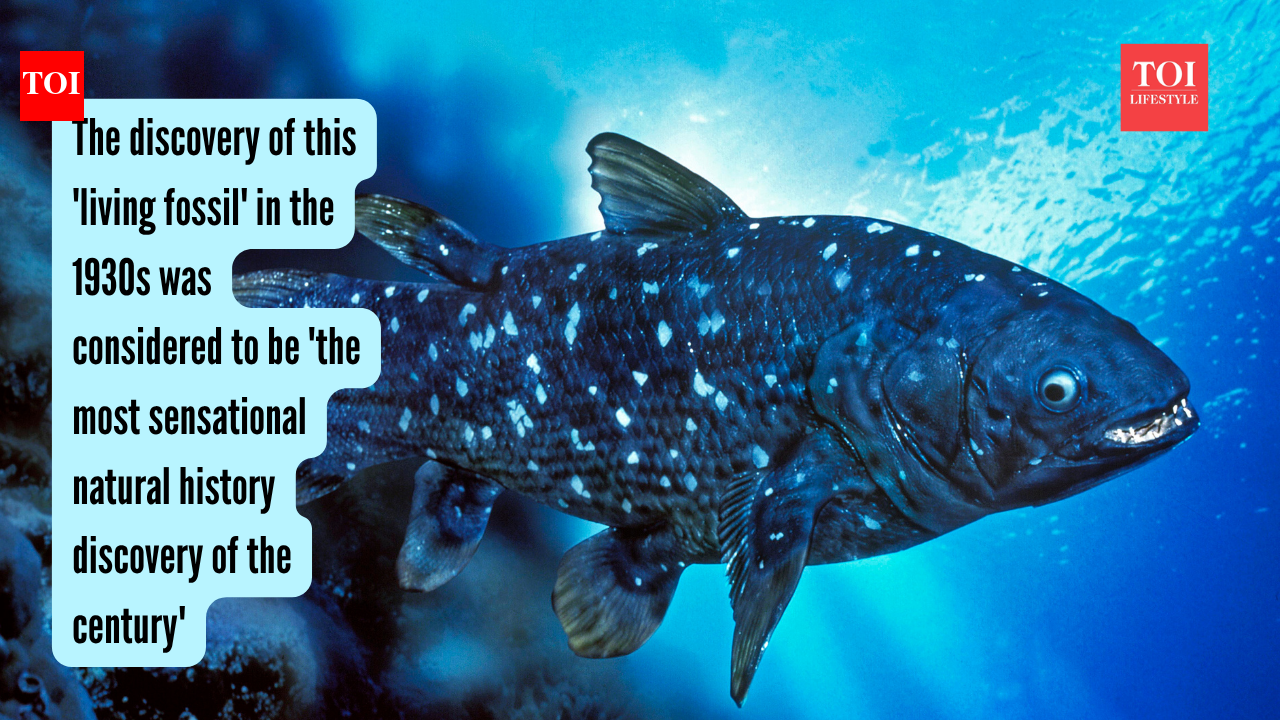
A fish caught in 1938 was identified as a coelacanth, a species thought extinct. This discovery challenged scientific understanding of extinction and ancient marine life. Coelacanths possess unique features like fleshy fins and a notochord, unlike other vertebrates. These fish live deep in the ocean and give birth to live young after long pregnancies. The coelacanth is now considered a Lazarus taxon, reappearing after a long absence.
A fish caught in 1938 was identified as a coelacanth, a species thought extinct. This discovery challenged scientific understanding of extinction and ancient marine life. Coelacanths possess unique features like fleshy fins and a notochord, unlike other vertebrates. These fish live deep in the ocean and give birth to live young after long pregnancies. The coelacanth is now considered a Lazarus taxon, reappearing after a long absence.