SC puts a leash on unchecked Waqf Tribunal powers, limits jurisdiction to registered properties
The Supreme Court on Wednesday, 28th January, made it clear that Waqf Tribunals can deal only with disputes related to properties that are officially recognised under the Waqf Act. This means the Tribunal has jurisdiction only over properties that are either listed in the official “list of auqaf” or registered under the Act. Any dispute involving an unregistered or unnotified property does not fall within the Tribunal’s authority. The bench consisting of Justice Sanjay Kumar and Justice K Vinod Chandran delivered this verdict while setting aside the Telangana High Court order that had upheld the injunction granted by the Waqf Tribunal in respect of a property that was not registered under the Waqf Act. Tribunal cannot decide status of unregistered property Contrary to the finding of the High Court, the Supreme Court said that a plain reading of the case itself showed that the disputed property was neither included in the list of auqaf published under Chapter II of the Waqf Act nor registered under Chapter V. Since this basic requirement was not met, the Tribunal had no power to decide whether the property was a waqf property. The court observed that Sections 6(1) and 7(1) of the Waqf Act require that a property must be listed in the official auqaf list before the Tribunal can be approached. Without this, the Tribunal simply cannot assume jurisdiction. Resolving conflicting Supreme Court judgments Justice K Vinod Chandran, who wrote the judgment, also clarified a long-standing confusion that had arisen due to conflicting Supreme Court decisions on the extent of the powers of Waqf Tribunals. One line of earlier decisions, such as Anis Fatma Begum vs State of Uttar Pradesh (2010), which was subsequently followed by Rashid Wali Beg vs Farid Pindari (2022), had taken a wider view. These decisions held that Section 83(1) of the Waqf Act conferred broad powers on Waqf Tribunals to decide any dispute about a waqf or a waqf property, irrespective of whether the property had been formally registered or not. However, another line of judgments, especially Ramesh Gobindram vs Sugra Humayun Mirza Wakf (2010), had clearly held that the Tribunal’s powers are limited and apply only to matters specifically mentioned under the Act. According to this view, Section 83 only allows the creation of Tribunals and does not give them unlimited authority. The Supreme Court said it was restoring the principle laid down in Ramesh Gobindram, making it the correct legal position. Why registration matters under the Waqf Act The bench explained that some earlier judgments had quoted only part of Section 83(1) while ignoring the crucial words “under this Act.” The court stressed that a property can be treated as waqf property under the law only if it has legal recognition, either by inclusion in the list prepared after a statutory survey or by formal registration. Only such properties fall under the jurisdiction of the Waqf Tribunal, and only in those cases does the civil court’s jurisdiction stand barred under Section 85 of the Act. “There is hence no absolute and all-pervasive ouster of jurisdiction of the Civil Court even under Section 85 of the Act of 1995,” the Court said. Background of the case The case began when a suit was filed before a Waqf Tribunal seeking a permanent injunction. The plaintiff claimed that a room in a residential complex had become a mosque due to long religious use since 2008 and should therefore be treated as waqf property. It was not disputed that the property was neither listed in the official auqaf list nor registered under the Waqf Act. Despite this, the Tribunal entertained the case and allowed relief, which was subsequently confirmed by the Telangana High Court. Challenging these decisions, the appellant submitted to the Supreme Court that the Tribunal lacked jurisdiction to even consider the nature of the property. The Supreme Court agreed with this and held that the suit itself was not maintainable. Consequently, the Supreme Court allowed the appeal, vacated the decisions of both the Waqf Tribunal and the High Court, and rejected the plaint under Order VII Rule 11 of the Civil Procedure Code on the grounds of lack of jurisdiction. waqf judgementDownload
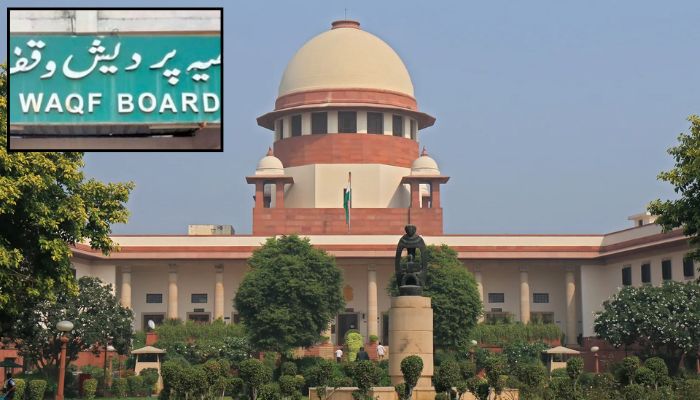

The Supreme Court on Wednesday, 28th January, made it clear that Waqf Tribunals can deal only with disputes related to properties that are officially recognised under the Waqf Act. This means the Tribunal has jurisdiction only over properties that are either listed in the official “list of auqaf” or registered under the Act. Any dispute involving an unregistered or unnotified property does not fall within the Tribunal’s authority.
The bench consisting of Justice Sanjay Kumar and Justice K Vinod Chandran delivered this verdict while setting aside the Telangana High Court order that had upheld the injunction granted by the Waqf Tribunal in respect of a property that was not registered under the Waqf Act.
Tribunal cannot decide status of unregistered property
Contrary to the finding of the High Court, the Supreme Court said that a plain reading of the case itself showed that the disputed property was neither included in the list of auqaf published under Chapter II of the Waqf Act nor registered under Chapter V. Since this basic requirement was not met, the Tribunal had no power to decide whether the property was a waqf property.
The court observed that Sections 6(1) and 7(1) of the Waqf Act require that a property must be listed in the official auqaf list before the Tribunal can be approached. Without this, the Tribunal simply cannot assume jurisdiction.
Resolving conflicting Supreme Court judgments
Justice K Vinod Chandran, who wrote the judgment, also clarified a long-standing confusion that had arisen due to conflicting Supreme Court decisions on the extent of the powers of Waqf Tribunals.
One line of earlier decisions, such as Anis Fatma Begum vs State of Uttar Pradesh (2010), which was subsequently followed by Rashid Wali Beg vs Farid Pindari (2022), had taken a wider view. These decisions held that Section 83(1) of the Waqf Act conferred broad powers on Waqf Tribunals to decide any dispute about a waqf or a waqf property, irrespective of whether the property had been formally registered or not.
However, another line of judgments, especially Ramesh Gobindram vs Sugra Humayun Mirza Wakf (2010), had clearly held that the Tribunal’s powers are limited and apply only to matters specifically mentioned under the Act. According to this view, Section 83 only allows the creation of Tribunals and does not give them unlimited authority.
The Supreme Court said it was restoring the principle laid down in Ramesh Gobindram, making it the correct legal position.
Why registration matters under the Waqf Act
The bench explained that some earlier judgments had quoted only part of Section 83(1) while ignoring the crucial words “under this Act.” The court stressed that a property can be treated as waqf property under the law only if it has legal recognition, either by inclusion in the list prepared after a statutory survey or by formal registration.
Only such properties fall under the jurisdiction of the Waqf Tribunal, and only in those cases does the civil court’s jurisdiction stand barred under Section 85 of the Act.
“There is hence no absolute and all-pervasive ouster of jurisdiction of the Civil Court even under Section 85 of the Act of 1995,” the Court said.
Background of the case
The case began when a suit was filed before a Waqf Tribunal seeking a permanent injunction. The plaintiff claimed that a room in a residential complex had become a mosque due to long religious use since 2008 and should therefore be treated as waqf property.
It was not disputed that the property was neither listed in the official auqaf list nor registered under the Waqf Act. Despite this, the Tribunal entertained the case and allowed relief, which was subsequently confirmed by the Telangana High Court.
Challenging these decisions, the appellant submitted to the Supreme Court that the Tribunal lacked jurisdiction to even consider the nature of the property. The Supreme Court agreed with this and held that the suit itself was not maintainable.
Consequently, the Supreme Court allowed the appeal, vacated the decisions of both the Waqf Tribunal and the High Court, and rejected the plaint under Order VII Rule 11 of the Civil Procedure Code on the grounds of lack of jurisdiction.