Saraswati Vandana, Gayatri Mantra in govt schools? Chhattisgarh HC says yes for now, but leaves the door open for future challenges
The Chhattisgarh High Court has given the green signal to the State Government’s order requiring government-run schools to include the recitation of the National Anthem, National Song, Deep Mantra, Saraswati Vandana, Guru Mantra, Shanti Mantra, and stories about the lives of great personalities at the start of the school day. The court has upheld the state government’s decision, saying that the order does not force students to act against their religious beliefs or conscience. The court dismissed a petition challenging the government’s 12th June 2026 circular, calling it “premature” because there was no evidence that any student’s fundamental rights had actually been violated or that anyone had suffered direct harm because of the policy. Delivering the order, Justice Amitendra Kishore Prasad observed that the circular, when read in its entirety, did not contain any compulsory or coercive direction requiring students to take part in activities that go against their faith. “A careful perusal of the impugned order dated 12.6.2026 reveals that it does not contain any mandatory or coercive direction compelling students to act in a manner contrary to their respective religious beliefs, conscience or faith,” the court said. An excerpt from the Judgement What does the government order say? The dispute relates to a circular issued on 12th June this year by the School Education Department of the Chhattisgarh government for the academic session 2026-27. Under the order, students in government-run schools are expected to begin the school day with the National Anthem, National Song, Deep Mantra, Saraswati Vandana, Guru Mantra, Shanti Mantra and short accounts of the lives of great personalities or “Mahapurushas”. On top of that, at the end of the school day, students are expected to recite the Rajya Geet, Gayatri Mantra and Shanti Mantra. The state government has argued that the initiative is aimed at promoting discipline, cultural awareness, focus and values among students and should not be viewed as religious instruction. Petitioners argued the circular violates constitutional rights The petition was filed directly before the High Court under Article 226 of the Constitution seeking cancellation of the circular and a declaration that compulsory recitation of the prayers would be unconstitutional. The petitioners included a former chairman of the State Waqf Board, a former minister handling minority affairs in the state and the district president of a religious action trust. Represented by advocate Dr Aamir Khan, the petitioners argued that the inclusion of Saraswati Vandana, Gayatri Mantra, Guru Mantra and Shanti Mantra amounted to religious instruction in state-funded schools, something that is prohibited under the Constitution. They argued that the circular violates Articles 14 (Right to Equality), 21 (Protection of Life and Personal Liberty), 25 (Freedom of Religion), 28(1) (which prohibits religious instruction in educational institutions wholly maintained out of State funds), 29 (protecting the cultural and educational interests of minorities and citizens) and 30 (empowering religious and linguistic minorities to establish and administer their own educational institutions) of the Constitution. They also alleged that it creates a situation where students from minority communities could feel pressured to participate in prayers and practices that do not belong to their faith. According to the petitioners, India’s constitutional commitment to secularism means that no student can be directed to follow or practice the customs of a particular religion in a government educational institution. Court says Article 28 does not prohibit moral instruction One of the main questions before the court was whether the prayers and mantras mentioned in the circular amounted to “religious instruction” under Article 28(1) of the Constitution. Article 28(1) states that no religious instruction can be provided in educational institutions that are fully funded by the State. However, the High Court said the phrase “religious instruction” has a limited and specific meaning. “However, a plain reading of clause (1) of Article 28 makes it clear that the provision does not ban moral instruction, disassociated from any denominational doctrines, which remains an essential part of training in citizenship, maintenance of law and order in the State and growth of social cohesion. In light of the foregoing, this Court believes that the petition is entirely premature, based on mere apprehension rather than any actual grievance. Thus, at this stage, the reliefs sought by the petitioners cannot be granted”, the court observed. An excerpt from the judgement The bench noted that teachings related to values, discipline and social responsibility cannot automatically be treated as religious instruction simply because they have roots in ancient Indian traditions. State says the policy promotes cu
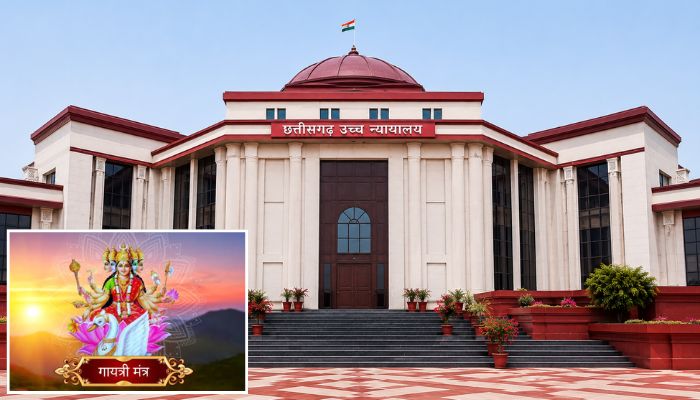
The Chhattisgarh High Court has given the green signal to the State Government’s order requiring government-run schools to include the recitation of the National Anthem, National Song, Deep Mantra, Saraswati Vandana, Guru Mantra, Shanti Mantra, and stories about the lives of great personalities at the start of the school day. The court has upheld the state government’s decision, saying that the order does not force students to act against their religious beliefs or conscience.
The court dismissed a petition challenging the government’s 12th June 2026 circular, calling it “premature” because there was no evidence that any student’s fundamental rights had actually been violated or that anyone had suffered direct harm because of the policy.
Delivering the order, Justice Amitendra Kishore Prasad observed that the circular, when read in its entirety, did not contain any compulsory or coercive direction requiring students to take part in activities that go against their faith.
“A careful perusal of the impugned order dated 12.6.2026 reveals that it does not contain any mandatory or coercive direction compelling students to act in a manner contrary to their respective religious beliefs, conscience or faith,” the court said.
An excerpt from the Judgement
What does the government order say?
The dispute relates to a circular issued on 12th June this year by the School Education Department of the Chhattisgarh government for the academic session 2026-27. Under the order, students in government-run schools are expected to begin the school day with the National Anthem, National Song, Deep Mantra, Saraswati Vandana, Guru Mantra, Shanti Mantra and short accounts of the lives of great personalities or “Mahapurushas”.
On top of that, at the end of the school day, students are expected to recite the Rajya Geet, Gayatri Mantra and Shanti Mantra.
The state government has argued that the initiative is aimed at promoting discipline, cultural awareness, focus and values among students and should not be viewed as religious instruction.
Petitioners argued the circular violates constitutional rights
The petition was filed directly before the High Court under Article 226 of the Constitution seeking cancellation of the circular and a declaration that compulsory recitation of the prayers would be unconstitutional.
The petitioners included a former chairman of the State Waqf Board, a former minister handling minority affairs in the state and the district president of a religious action trust.
Represented by advocate Dr Aamir Khan, the petitioners argued that the inclusion of Saraswati Vandana, Gayatri Mantra, Guru Mantra and Shanti Mantra amounted to religious instruction in state-funded schools, something that is prohibited under the Constitution.
They argued that the circular violates Articles 14 (Right to Equality), 21 (Protection of Life and Personal Liberty), 25 (Freedom of Religion), 28(1) (which prohibits religious instruction in educational institutions wholly maintained out of State funds), 29 (protecting the cultural and educational interests of minorities and citizens) and 30 (empowering religious and linguistic minorities to establish and administer their own educational institutions) of the Constitution. They also alleged that it creates a situation where students from minority communities could feel pressured to participate in prayers and practices that do not belong to their faith.
According to the petitioners, India’s constitutional commitment to secularism means that no student can be directed to follow or practice the customs of a particular religion in a government educational institution.
Court says Article 28 does not prohibit moral instruction
One of the main questions before the court was whether the prayers and mantras mentioned in the circular amounted to “religious instruction” under Article 28(1) of the Constitution.
Article 28(1) states that no religious instruction can be provided in educational institutions that are fully funded by the State. However, the High Court said the phrase “religious instruction” has a limited and specific meaning.
“However, a plain reading of clause (1) of Article 28 makes it clear that the provision does not ban moral instruction, disassociated from any denominational doctrines, which remains an essential part of training in citizenship, maintenance of law and order in the State and growth of social cohesion. In light of the foregoing, this Court believes that the petition is entirely premature, based on mere apprehension rather than any actual grievance. Thus, at this stage, the reliefs sought by the petitioners cannot be granted”, the court observed.
An excerpt from the judgement
The bench noted that teachings related to values, discipline and social responsibility cannot automatically be treated as religious instruction simply because they have roots in ancient Indian traditions.
State says the policy promotes culture and values, not religion
The Chhattisgarh government, represented by Deputy Advocate General Anand Dadariya, argued that the challenge was based entirely on assumptions rather than actual incidents.
The state maintained that the policy was in line with the objectives of the National Education Policy 2020 (NEP), which encourages the inclusion of Indian Knowledge Systems in education to strengthen cultural understanding and awareness.
Government lawyers argued that verses such as the Shanti Mantra and other traditional invocations promote universal well-being, gratitude towards nature and ecological balance rather than any particular religious doctrine.
The state also informed the court that students who choose not to participate in the recitations would not face punishment, disciplinary action or any negative consequences.
Officials further stated that the policy had already been implemented and no complaint of coercion or discrimination had been received from any student or parent.
Court leaves the door open for future challenges
After considering the arguments from both sides, the High Court concluded that the challenge was based on apprehension rather than evidence of actual harm. The court said, “In light of the foregoing, this Court thinks that the petition is entirely premature, based on mere apprehension rather than any actual grievance. Thus, at this stage, the reliefs sought by the petitioners cannot be granted.”
An excerpt from the Judgement
At the same time, the court made it clear that the petitioners would be free to approach the judiciary again in the future if any instance of coercion or violation of rights emerges during implementation of the policy.
For now, the state’s school prayer policy will continue to remain in force across government schools in Chhattisgarh.