‘Reconsider blanket prohibition on non-Hindus in Hindu temples’ – Kerala High Court calls for ‘harmonious’ interpretation; read why this is problematic
On 30th January, the Kerala High Court held that the rule imposing a blanket ban on the entry of non-Hindus into Hindu temples may require reconsideration to align with constitutional principles. The court observed that statutory provisions that govern religious spaces should not become instruments of “social discord or disharmony”. The judgment was pronounced by a Division Bench comprising Justice Raja Vijayaraghavan V and Justice K V Jayakumar. The court dismissed a writ petition that challenged the entry of Christian priests into a temple during a Hindu festival. While dismissing the petition, the court asked the State government to examine whether Rule 3(a) of the Kerala Hindu Places of Public Worship Rules, 1965 should be retained in its present form or amended after consultation with religious stakeholders. OpIndia accessed judgment in the matter. Background of the dispute The case stemmed from events on 7th September 2023 during Sreekrishna Jayanthi celebrations at the Adoor Sree Parthasarathi Temple in Pathanamthitta district. The temple authorities had invited two Christian priests, including Dr Zacharias Mar Aprem, to attend a public programme held within the temple compound as part of the celebrations. Following the event, the priests were taken near the Sreekovil, the inner sanctum area, and were presented with gifts. As the Christian priests were in their priestly robes, Hindu devotees raised objections and contended that non-Hindus were not permitted to enter the temple precincts as per the Kerala Hindu Places of Public Worship (Authorisation of Entry) Act, 1965 and the Rules framed thereunder. Sanil Narayanan Nampoothiri, a devotee of the temple, approached the Kerala High Court and accused the temple authorities of violating statutory provisions by permitting the entry of Christian priests. He sought disciplinary action against members of the Temple Advisory Committee, including their termination. Furthermore, he sought directions to bar all non-Hindus from entering the temple, and the performance of curative rituals to restore the sanctity of the premises. Clear prohibition on entry of non-Hindus The petitioner argued that Rule 3(a) of the 1965 Rules clearly prohibits the entry of non-Hindus into temples. He argued that the entry of Christian priests, especially in religious attire, amounted to a direct violation of the law. It was contended that temple authorities had no discretion to override the statutory embargo, regardless of whether permission was granted by the Thanthri. It was further asserted that allowing such entry undermined established customs and religious practices, thereby diluting the sanctity of the temple. The petitioner maintained that the issue was not about hospitality or courtesy but about strict adherence to statutory and religious norms governing Hindu places of worship. Stand of the Devaswom Board and temple authorities In its counter affidavit, the Travancore Devaswom Board admitted that the Christian priest had been invited by the Temple Advisory Committee to inaugurate the Shobha Yatra connected with Sreekrishna Jayanthi celebrations. It stated that after the programme, the priests sought permission to enter the temple and such permission was granted by the Thanthri. The Board contended that the entry was ceremonial and permissive, not as a matter of right, and did not violate temple rituals, rites, or customs. It was also stated that the maximum consequence under the Rules, even if violated, was removal of the person from the premises, and not punitive action against temple authorities. Members of the Temple Advisory Committee echoed this position and asserted that the entry was authorised by the Thanthri. The committee further contended that no devotees objected at the time, and that the petition amounted to an abuse of the legal process. Observations of the Court The Kerala High Court noted that the Kerala Hindu Places of Public Worship (Authorisation of Entry) Act, 1965 was enacted to ensure the entry of all sections and classes of Hindus into temples and to eliminate caste-based exclusions. The Bench pointed out that while Rule 3(a) of the 1965 Rules bars non-Hindus from entering temples, the parent Act itself does not contain any explicit prohibition on the entry of non-Hindus. The Court emphasised that subordinate legislation cannot introduce restrictions that are not included in the parent Act. The Court reiterated that delegated legislation must supplement, not supplant, the Act under which it is framed. Findings and conclusions of the Court In its judgment, the Court drew a distinction between entry claimed as a matter of right and entry permitted by the Thanthri as a guest or invitee. The Court held that the Thanthri occupies a central and authoritative position in the spiritual hierarchy of the temple. A permissive entry authorised by him cannot be equated with a statutory violation. The C
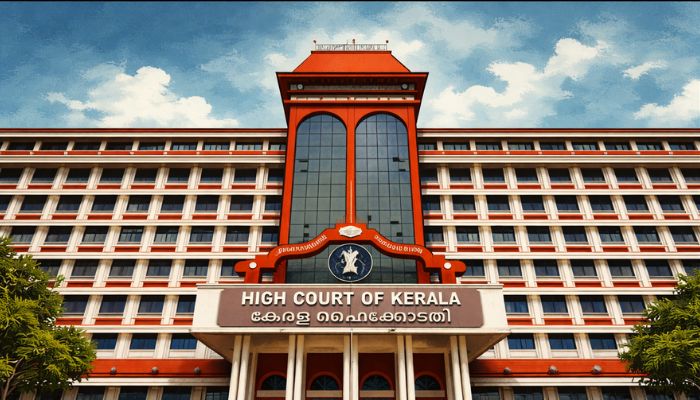

On 30th January, the Kerala High Court held that the rule imposing a blanket ban on the entry of non-Hindus into Hindu temples may require reconsideration to align with constitutional principles. The court observed that statutory provisions that govern religious spaces should not become instruments of “social discord or disharmony”.
The judgment was pronounced by a Division Bench comprising Justice Raja Vijayaraghavan V and Justice K V Jayakumar. The court dismissed a writ petition that challenged the entry of Christian priests into a temple during a Hindu festival. While dismissing the petition, the court asked the State government to examine whether Rule 3(a) of the Kerala Hindu Places of Public Worship Rules, 1965 should be retained in its present form or amended after consultation with religious stakeholders.
OpIndia accessed judgment in the matter.
Background of the dispute
The case stemmed from events on 7th September 2023 during Sreekrishna Jayanthi celebrations at the Adoor Sree Parthasarathi Temple in Pathanamthitta district. The temple authorities had invited two Christian priests, including Dr Zacharias Mar Aprem, to attend a public programme held within the temple compound as part of the celebrations.
Following the event, the priests were taken near the Sreekovil, the inner sanctum area, and were presented with gifts. As the Christian priests were in their priestly robes, Hindu devotees raised objections and contended that non-Hindus were not permitted to enter the temple precincts as per the Kerala Hindu Places of Public Worship (Authorisation of Entry) Act, 1965 and the Rules framed thereunder.
Sanil Narayanan Nampoothiri, a devotee of the temple, approached the Kerala High Court and accused the temple authorities of violating statutory provisions by permitting the entry of Christian priests. He sought disciplinary action against members of the Temple Advisory Committee, including their termination. Furthermore, he sought directions to bar all non-Hindus from entering the temple, and the performance of curative rituals to restore the sanctity of the premises.
Clear prohibition on entry of non-Hindus
The petitioner argued that Rule 3(a) of the 1965 Rules clearly prohibits the entry of non-Hindus into temples. He argued that the entry of Christian priests, especially in religious attire, amounted to a direct violation of the law. It was contended that temple authorities had no discretion to override the statutory embargo, regardless of whether permission was granted by the Thanthri.
It was further asserted that allowing such entry undermined established customs and religious practices, thereby diluting the sanctity of the temple. The petitioner maintained that the issue was not about hospitality or courtesy but about strict adherence to statutory and religious norms governing Hindu places of worship.
Stand of the Devaswom Board and temple authorities
In its counter affidavit, the Travancore Devaswom Board admitted that the Christian priest had been invited by the Temple Advisory Committee to inaugurate the Shobha Yatra connected with Sreekrishna Jayanthi celebrations. It stated that after the programme, the priests sought permission to enter the temple and such permission was granted by the Thanthri.
The Board contended that the entry was ceremonial and permissive, not as a matter of right, and did not violate temple rituals, rites, or customs. It was also stated that the maximum consequence under the Rules, even if violated, was removal of the person from the premises, and not punitive action against temple authorities.
Members of the Temple Advisory Committee echoed this position and asserted that the entry was authorised by the Thanthri. The committee further contended that no devotees objected at the time, and that the petition amounted to an abuse of the legal process.
Observations of the Court
The Kerala High Court noted that the Kerala Hindu Places of Public Worship (Authorisation of Entry) Act, 1965 was enacted to ensure the entry of all sections and classes of Hindus into temples and to eliminate caste-based exclusions.
The Bench pointed out that while Rule 3(a) of the 1965 Rules bars non-Hindus from entering temples, the parent Act itself does not contain any explicit prohibition on the entry of non-Hindus. The Court emphasised that subordinate legislation cannot introduce restrictions that are not included in the parent Act.
The Court reiterated that delegated legislation must supplement, not supplant, the Act under which it is framed.
Findings and conclusions of the Court
In its judgment, the Court drew a distinction between entry claimed as a matter of right and entry permitted by the Thanthri as a guest or invitee. The Court held that the Thanthri occupies a central and authoritative position in the spiritual hierarchy of the temple. A permissive entry authorised by him cannot be equated with a statutory violation.
The Court further observed that the object of the law is to promote social harmony. The statutes should evolve with changing societal realities, the court said. It further cautioned that rigid interpretations of subordinate rules should not result in religious disharmony.
The Court, however, refrained from striking down the rule and left it to the government to decide whether it should be amended after due consultation with Devaswom Boards, Thanthris, religious scholars, and other stakeholders.
Why this judgment is fundamentally flawed and unfair to Hindus
The judgment is being presented as a defence of constitutional harmony. However, it exposes a deeper and recurring problem in the legal landscape, that is, judicial overreach into Hindu religious spaces under the selective banner of secularism and harmony.
Across India and the world, places of worship impose faith-based restrictions without controversy. Non-Muslims are prohibited from entering the inner precincts of Mecca and Medina. The Vatican enforces strict access controls based on religious authority and protocol. Even several churches and synagogues restrict participation in core religious ceremonies to adherents alone. None of these practices are framed as unconstitutional or socially divisive.
However, when it comes to Hindu temples, they are subjected to relentless judicial scrutiny, reinterpretation, and moral policing. The Kerala High Court’s suggestion that a rule barring non-Hindus may be inconsistent with constitutional values ignores the basic principle that religious institutions have the right to preserve their spiritual character. They cannot be turned into tourist spots.
The argument that Hinduism is merely a way of life and therefore open to universal access has been repeatedly weaponised to dilute Hindu religious autonomy. This reasoning conveniently overlooks the fact that Hindu temples are not public parks or cultural halls, but consecrated ritual spaces governed by Agamas, customs, and centuries-old practices.
What is more troubling is that the Court showed readiness to question a rule framed specifically to protect Hindu temple sanctity, despite the Act itself being a product of state intervention into Hindu religious affairs. Hindu temples are already under government control through Devaswom Boards, unlike churches and mosques which retain autonomy. Asking Hindus to now surrender even the authority to decide who may enter their sacred spaces amounts to an unequal application of secularism.
Secularism does not mean that Hindus must endlessly accommodate everyone and everything for the sake of it, that too when other faiths enforce exclusivity without question. Hindus are not the sole custodians of secularism. Their temples are not laboratories for social experimentation.
Read the judgment here.