Punjab: 2,700 women died of cancer in 2025, 13,299 in five years; AAP MP Seechewal links surge to water pollution, chemicals used in agriculture
Punjab is witnessing a grave health crisis, with an average of eight women dying every single day because of cancer. The recent data have once again brought the issue of a silent crisis in the state to the forefront of the country’s attention. According to the latest data discussed in Parliament, close to 2,700 women have lost their lives to cancer in Punjab in the year 2025 alone. The alarming situation was brought to the notice of the Rajya Sabha on Thursday, 12th February, by Rajya Sabha Member Balbir Singh Seechewal. Terming the situation an issue that is directly related to the existence of Punjab, the AAP MP called for immediate attention from both the Centre and the Punjab government. Balbir Singh Seechewal raises the issue in the Rajya Sabha In a Special Mention in the House, Seechewal expressed his grave concern over the increasing number of cancer cases among women in Punjab. In his speech, Seechewal said, “I wish to draw attention to a very serious issue, the rapid increase in cancer cases among women in Punjab. This trend is deeply concerning and demands urgent action. According to information provided by the honourable Ministry, in 2025, in the Rajya Sabha, approximately 2,700 women in Punjab died of cancer, which averages to 8 women per day. Between 2021 and 2025, a total of 13,299 women lost their lives due to cancer. Among these, breast cancer was the leading cause with 7,186 deaths, followed by Cervix Uteri (3,502 deaths) and Ovary cancer (2,611 deaths).” He further said, “Alarmingly, cancer cases are rising even among women aged 40-45, showing that this disease is no longer limited to old age, but increasingly threatening younger lives. Environmental factors, particularly water pollution and the widespread use of chemical fertilisers in agriculture, are considered major contributors. These chemicals, once in the soil, eventually enter our food chain.” He stressed that these figures should serve as a wake-up call for policymakers and society alike. The growing cancer burden in Punjab Citing data presented by the Union Health Ministry in Parliament, Seechewal informed the House that 13,299 women died due to cancer in Punjab between 2021 and 2025. Breast cancer accounted for the highest number of deaths at 7,186. This was followed by cervical cancer with 3,502 deaths and ovarian cancer with 2,611 deaths. He said that the number of cancer cases is increasing rapidly, even among women aged 40-45 years, and in some cases, even younger women are being diagnosed with cancer. This is an indication that cancer is no longer a disease of older age groups. Environmental pollution has been identified as one of the major causes of cancer. Polluted drinking water, the use of chemical fertilisers and pesticides in agriculture, and industrial waste have been identified as possible causes. Seechewal told the House that it was only after the presence of harmful chemicals such as DDT was detected in the breast milk of mothers that these chemicals were banned, and this is an indication of how deeply toxins can enter the human body. He appealed to the government to make cancer treatment completely free for women and to provide at least 75% to 80% subsidy for treatment, whether in government or private hospitals, to economically weaker families. He said that women are the backbone of families and society, and their health needs to be protected for the future of Punjab. Why is Punjab called the ‘Cancer Capital’ Punjab, especially Malwa, has been labelled as the “cancer capital” of India. Malwa, famous for its agricultural produce and nicknamed “Makheon Meetha Malwa” (sweeter than honey), is also known as the “cancer belt.” Earlier, a research paper published in the Asian Pacific Journal of Cancer Prevention observed 500 cancer patients from Punjab. “Of the 500 patients, 65% were females and 35% were males. The most affected female age groups were 50-54 and 60-64; while males in the age groups of 65-69 and 60-64 had the highest risk. The leading cancers in females were breast, followed by cervix and ovary, whereas in males they were colon, followed by oesophagus and tongue. According to medai report, Punjab had at least 172 cancer patients per 100,000 people, and the Malwa region had a higher incidence of cancer. Recent estimates suggest that the cancer rate in Malwa has reached alarming levels. Agricultural chemicals and pesticides are widely blamed for the rise. The liberal use of fertilisers in cotton and other crops is believed to have contaminated the soil and groundwater. Nationally, cancer cases are also rising. Government data revealed that India recorded nearly 1.5 million cancer cases in 2023, up from 1.46 million in 2022. Experts believe that lifestyle changes, environmental pollution, genetic factors and delayed diagnosis are contributing to the increase. However, the situation in Punjab is particularly alarming due to its close association with pollu

Punjab is witnessing a grave health crisis, with an average of eight women dying every single day because of cancer. The recent data have once again brought the issue of a silent crisis in the state to the forefront of the country’s attention. According to the latest data discussed in Parliament, close to 2,700 women have lost their lives to cancer in Punjab in the year 2025 alone.
The alarming situation was brought to the notice of the Rajya Sabha on Thursday, 12th February, by Rajya Sabha Member Balbir Singh Seechewal. Terming the situation an issue that is directly related to the existence of Punjab, the AAP MP called for immediate attention from both the Centre and the Punjab government.
Balbir Singh Seechewal raises the issue in the Rajya Sabha
In a Special Mention in the House, Seechewal expressed his grave concern over the increasing number of cancer cases among women in Punjab.
In his speech, Seechewal said, “I wish to draw attention to a very serious issue, the rapid increase in cancer cases among women in Punjab. This trend is deeply concerning and demands urgent action. According to information provided by the honourable Ministry, in 2025, in the Rajya Sabha, approximately 2,700 women in Punjab died of cancer, which averages to 8 women per day. Between 2021 and 2025, a total of 13,299 women lost their lives due to cancer. Among these, breast cancer was the leading cause with 7,186 deaths, followed by Cervix Uteri (3,502 deaths) and Ovary cancer (2,611 deaths).”
He further said, “Alarmingly, cancer cases are rising even among women aged 40-45, showing that this disease is no longer limited to old age, but increasingly threatening younger lives. Environmental factors, particularly water pollution and the widespread use of chemical fertilisers in agriculture, are considered major contributors. These chemicals, once in the soil, eventually enter our food chain.”
He stressed that these figures should serve as a wake-up call for policymakers and society alike.
The growing cancer burden in Punjab
Citing data presented by the Union Health Ministry in Parliament, Seechewal informed the House that 13,299 women died due to cancer in Punjab between 2021 and 2025. Breast cancer accounted for the highest number of deaths at 7,186. This was followed by cervical cancer with 3,502 deaths and ovarian cancer with 2,611 deaths.
He said that the number of cancer cases is increasing rapidly, even among women aged 40-45 years, and in some cases, even younger women are being diagnosed with cancer. This is an indication that cancer is no longer a disease of older age groups.
Environmental pollution has been identified as one of the major causes of cancer. Polluted drinking water, the use of chemical fertilisers and pesticides in agriculture, and industrial waste have been identified as possible causes. Seechewal told the House that it was only after the presence of harmful chemicals such as DDT was detected in the breast milk of mothers that these chemicals were banned, and this is an indication of how deeply toxins can enter the human body.
He appealed to the government to make cancer treatment completely free for women and to provide at least 75% to 80% subsidy for treatment, whether in government or private hospitals, to economically weaker families. He said that women are the backbone of families and society, and their health needs to be protected for the future of Punjab.
Why is Punjab called the ‘Cancer Capital’
Punjab, especially Malwa, has been labelled as the “cancer capital” of India. Malwa, famous for its agricultural produce and nicknamed “Makheon Meetha Malwa” (sweeter than honey), is also known as the “cancer belt.”
Earlier, a research paper published in the Asian Pacific Journal of Cancer Prevention observed 500 cancer patients from Punjab. “Of the 500 patients, 65% were females and 35% were males. The most affected female age groups were 50-54 and 60-64; while males in the age groups of 65-69 and 60-64 had the highest risk. The leading cancers in females were breast, followed by cervix and ovary, whereas in males they were colon, followed by oesophagus and tongue.
According to medai report, Punjab had at least 172 cancer patients per 100,000 people, and the Malwa region had a higher incidence of cancer. Recent estimates suggest that the cancer rate in Malwa has reached alarming levels. Agricultural chemicals and pesticides are widely blamed for the rise. The liberal use of fertilisers in cotton and other crops is believed to have contaminated the soil and groundwater.
Nationally, cancer cases are also rising. Government data revealed that India recorded nearly 1.5 million cancer cases in 2023, up from 1.46 million in 2022. Experts believe that lifestyle changes, environmental pollution, genetic factors and delayed diagnosis are contributing to the increase. However, the situation in Punjab is particularly alarming due to its close association with pollution.
The infamous ‘Cancer Train’ of Punjab
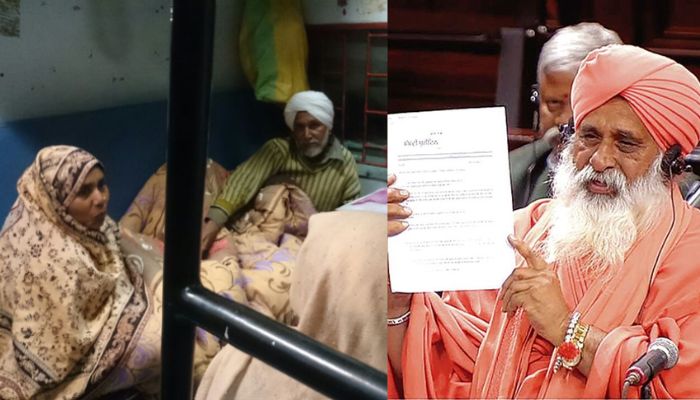
One of the most heartbreaking symbols of the cancer situation in Punjab is the Bathinda-Bikaner train, commonly referred to as the ‘cancer train.’ Every night, at about 9:30 pm, a humble train consisting of 12 coaches departs from Bathinda with hundreds of passengers, including cancer patients.
The train takes about 325 kilometres to reach the Bikaner district of Rajasthan, reaching there early in the morning. A large number of passengers head to the Acharya Tulsi Regional Cancer Hospital and Research Centre for treatment. The main reason why a majority of patients travel to other states is that cancer treatment is cheaper in Bikaner.
Patients suffering from cancer are allowed to travel free in the train, and their attendants are given a 75% concession. Under the Mukh Mantri Punjab Cancer Raahat Kosh Scheme, patients are provided with financial assistance of up to ₹15 lakh in some hospitals in Bikaner. This is the only hope for many poor families.
The image of patients carrying plastic folders full of medical documents, travelling all night to get treatment, has become a reminder of the crisis.
Who is Balbir Singh Seechewal?
Sant Balbir Singh Seechewal, often known as “Eco Baba,” is a Sikh environmental activist, spiritual leader, and Rajya Sabha MP from Punjab, nominated by Aam Aadmi Party (AAP) for his green work. He received national and international acclaim for cleaning up the Kali Bein, a river that was heavily polluted and flows for 160 kilometres before merging into the Sutlej and Beas rivers.
At a time when the river had turned into a dumping ground for industrial waste and sewage from dozens of villages, Seechewal led a massive volunteer-driven movement to restore it. His efforts earned him global praise, and in 2008, he became the only Indian and Asian at the time to receive TIME magazine’s “Hero of the Environment” award.
He also introduced the “Seechewal Model,” which is a cheap underground sewage system treating wastewater for farms, now backed by the Punjab government. He links health woes like cancer to pollution, fighting for clean water and air while serving in Parliament on issues from farmers to this crisis.