Much hyped Islamabad Talk collapses: Why Iran and US failed to come to an agreement, and what happens to the Strait of Hormuz and the West Asia war next
The high-stakes direct talks between the United States and Iran in Islamabad, Pakistan, hyped as a potential breakthrough after weeks of devastating conflict, collapsed on 12 April, 2026, after roughly 21 hours of intensive, round-the-clock negotiations. No deal was reached to transform the fragile two-week ceasefire into a lasting peace agreement. US Vice President JD Vance, leading the American side alongside special envoy Steve Witkoff and Jared Kushner, announced the failure shortly after dawn, stating bluntly that Iran had refused to accept Washington’s “best and final offer.” Iranian officials countered that US demands were “excessive” and “unlawful,” citing deep historical mistrust. Vice President JD Vance gives an update in Pakistan:"The simple fact is that we need to see an affirmative commitment that they will not seek a nuclear weapon, and they will not seek the tools that would enable them to quickly achieve a nuclear weapon." pic.twitter.com/il4THN5DwV— The White House (@WhiteHouse) April 12, 2026 The collapse leaves the temporary truce, already strained by mutual accusations of violations, in a precarious limbo as its two-week clock ticks toward an April 22 expiration. At the centre of the impasse: Iran’s nuclear program, control of the Strait of Hormuz, and linked regional flashpoints like Israeli strikes in Lebanon. With President Donald Trump now signalling a potential naval blockade as leverage, the risk of renewed escalation in West Asia looms large. From War to Fragile Ceasefire The 2026 Iran war erupted in late February when US and Israeli strikes targeted Iranian military and nuclear sites, prompting Iranian retaliation via missiles, proxies, and a near-total shutdown of the Strait of Hormuz. The conflict that has disrupted global energy markets, prompted US to use Pakistan to broker a two-week ceasefire on April 8. Under the pause, both sides agreed to halt direct attacks, with Iran pledging to reopen the Strait of Hormuz for safe international shipping in exchange for de-escalation. However, the ceasefire was a non-starter, as it was alleged that Pakistan shared two different lists of points to Iran and US. Iran had widely circulated a list of 10 demands, which includes its complete control over Strait of Hormuz, right to enrich uranium, and halt in Israeli strikes on Hezbollah in Lebanon, and claimed that US has agreed to these. However, US denied agreeing to these points, leading to virtual collapse of the ceasefire. Israel also claimed that strikes on it continued even after the ceasefire was announced. Hopes were high for the Islamabad talks, the first face-to-face US-Iran negotiations in decades, to hammer out a durable settlement. Pakistan hosted the talks amid tight security, with roads sealed and the capital under a de facto curfew. Yet pre-talks signals were ominous: Iran linked the talks to on an end to Israeli operations in Lebanon and the unfreezing of assets, while the US accused Tehran of bad-faith delays on the Strait. Why the Talks Collapsed Negotiators clashed on several interconnected issues that proved irreconcilable in a single marathon session. Here are the main reasons: Iran’s Nuclear Program: The US insisted on “affirmative commitments” from Iran to verifiably abandon any nuclear weapons ambitions and accept long-term restrictions on enrichment. Iran’s facilities had already been damaged in earlier strikes, but Tehran refused the sweeping guarantees demanded, viewing them as an infringement on its “legitimate rights.” This remained a non-negotiable “core goal” for Washington. Control of the Strait of Hormuz: The strategic waterway, through which around 20% of global oil and LNG flows, emerged as a major flashpoint. Iran has maintained effective control via threats of mines and Revolutionary Guard patrols, drastically reducing traffic even during the ceasefire. Iran is demanding to collect tolls on ships using the Strait to fund the rebuilding of the country. The US pushed for unrestricted, safe transit without Iranian tolls or unilateral oversight. Disagreements over fees, security arrangements, and reopening timelines deadlocked progress. Iran saw US demands as an attempt to strip away its leverage. While Trump had agreed to the toll proposal, he had proposed an Iran-US joint venture to collect the money. But Iran didn’t agree to it. Lebanon: Iran demanded that the truce explicitly cover an end to Israeli strikes on Hezbollah in Lebanon. But the US and Israel made it clear that operations against Hezbollah were separate from the current conflict, and it won’t be stopped. Israeli strikes on Lebanon have escalated in recent days, after the ceasefire announcement. Iran is refusing to leave Lebanon out of the deal, marking a major point of disagreement. Frozen assets: Iran is also demanding the release of blocked assets, estimated at over $6 billion. In fact, there were media reports that the US has agreed to unfreeze
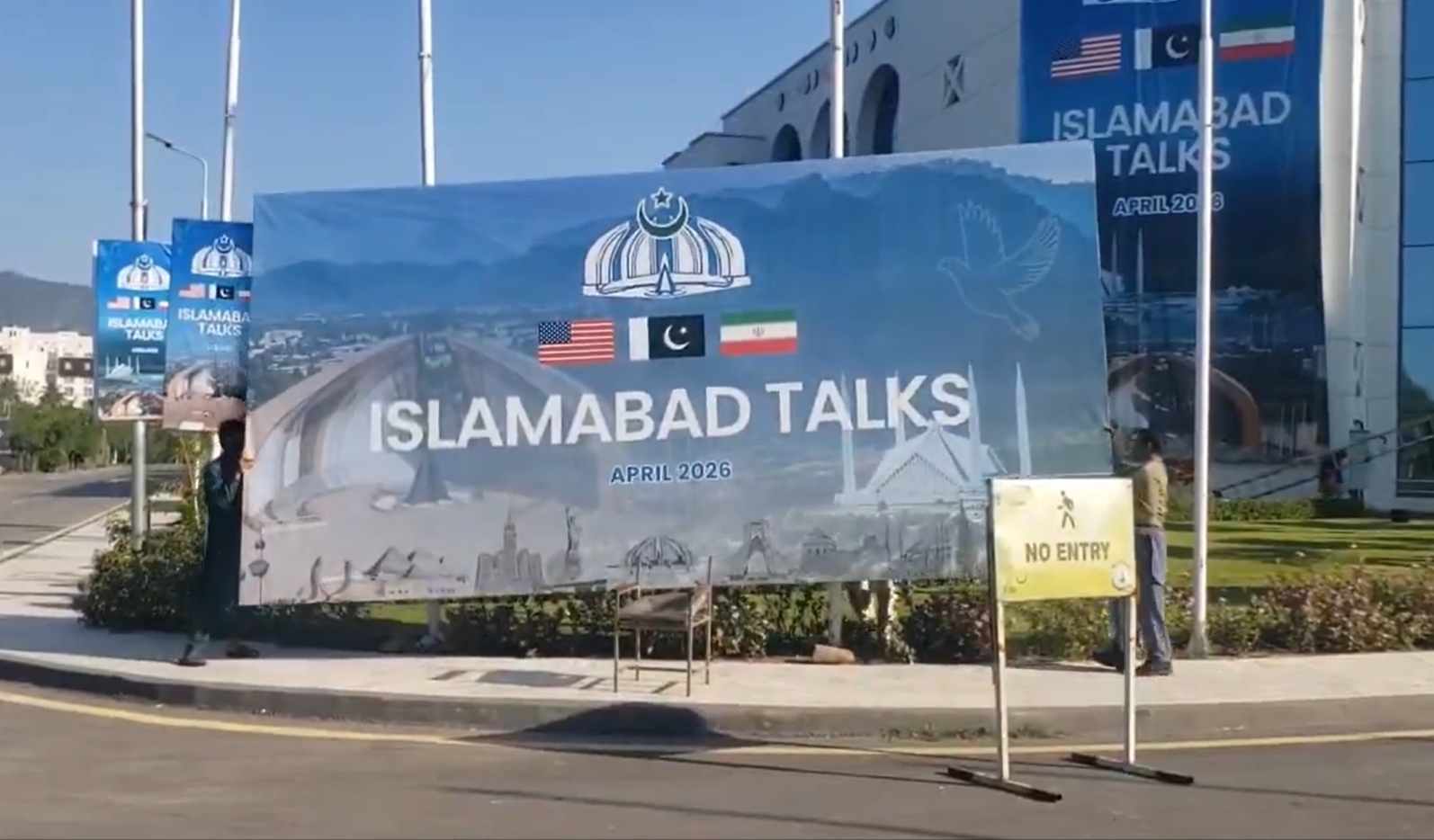
The high-stakes direct talks between the United States and Iran in Islamabad, Pakistan, hyped as a potential breakthrough after weeks of devastating conflict, collapsed on 12 April, 2026, after roughly 21 hours of intensive, round-the-clock negotiations. No deal was reached to transform the fragile two-week ceasefire into a lasting peace agreement.
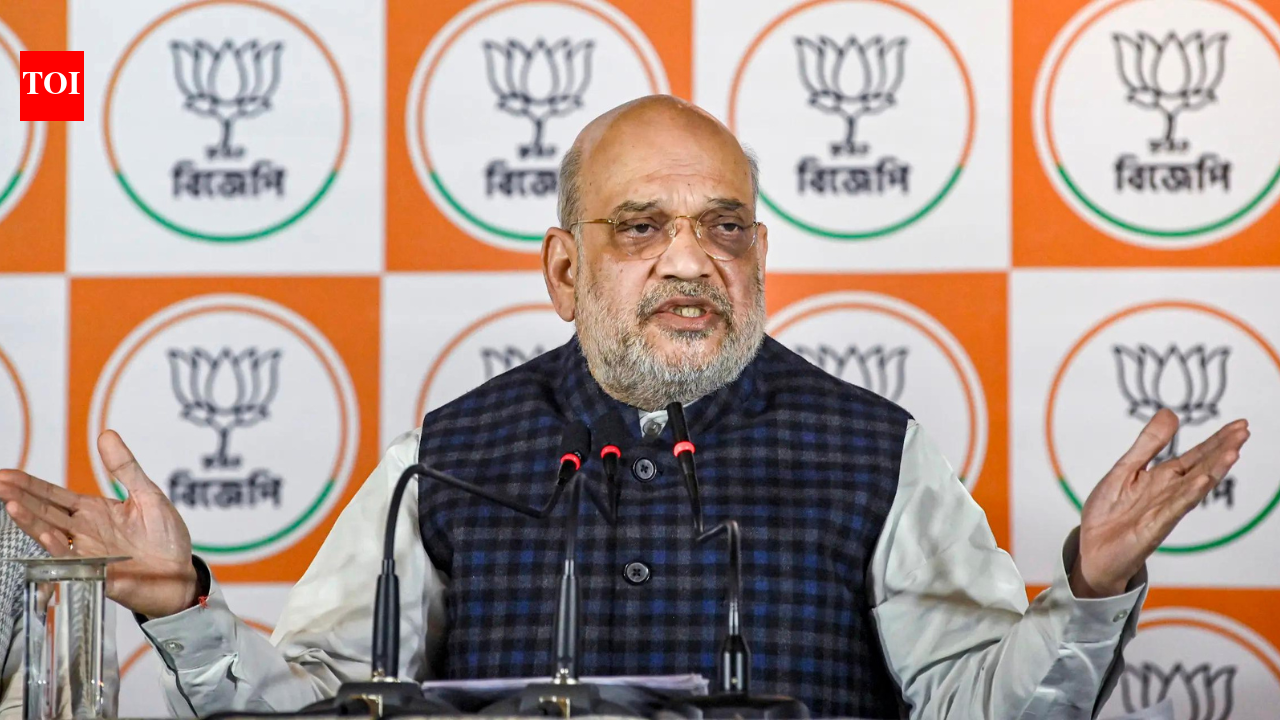
US Vice President JD Vance, leading the American side alongside special envoy Steve Witkoff and Jared Kushner, announced the failure shortly after dawn, stating bluntly that Iran had refused to accept Washington’s “best and final offer.” Iranian officials countered that US demands were “excessive” and “unlawful,” citing deep historical mistrust.
Vice President JD Vance gives an update in Pakistan:"The simple fact is that we need to see an affirmative commitment that they will not seek a nuclear weapon, and they will not seek the tools that would enable them to quickly achieve a nuclear weapon." pic.twitter.com/il4THN5DwV— The White House (@WhiteHouse) April 12, 2026
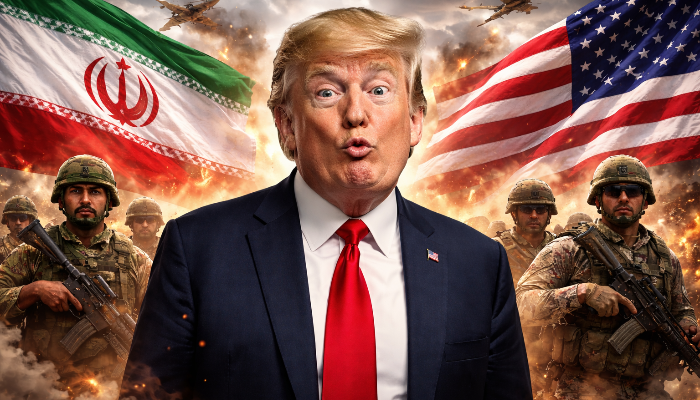
The collapse leaves the temporary truce, already strained by mutual accusations of violations, in a precarious limbo as its two-week clock ticks toward an April 22 expiration. At the centre of the impasse: Iran’s nuclear program, control of the Strait of Hormuz, and linked regional flashpoints like Israeli strikes in Lebanon. With President Donald Trump now signalling a potential naval blockade as leverage, the risk of renewed escalation in West Asia looms large.
From War to Fragile Ceasefire
The 2026 Iran war erupted in late February when US and Israeli strikes targeted Iranian military and nuclear sites, prompting Iranian retaliation via missiles, proxies, and a near-total shutdown of the Strait of Hormuz. The conflict that has disrupted global energy markets, prompted US to use Pakistan to broker a two-week ceasefire on April 8. Under the pause, both sides agreed to halt direct attacks, with Iran pledging to reopen the Strait of Hormuz for safe international shipping in exchange for de-escalation.
However, the ceasefire was a non-starter, as it was alleged that Pakistan shared two different lists of points to Iran and US. Iran had widely circulated a list of 10 demands, which includes its complete control over Strait of Hormuz, right to enrich uranium, and halt in Israeli strikes on Hezbollah in Lebanon, and claimed that US has agreed to these. However, US denied agreeing to these points, leading to virtual collapse of the ceasefire. Israel also claimed that strikes on it continued even after the ceasefire was announced.
Hopes were high for the Islamabad talks, the first face-to-face US-Iran negotiations in decades, to hammer out a durable settlement. Pakistan hosted the talks amid tight security, with roads sealed and the capital under a de facto curfew. Yet pre-talks signals were ominous: Iran linked the talks to on an end to Israeli operations in Lebanon and the unfreezing of assets, while the US accused Tehran of bad-faith delays on the Strait.
Why the Talks Collapsed
Negotiators clashed on several interconnected issues that proved irreconcilable in a single marathon session. Here are the main reasons:
Iran’s Nuclear Program: The US insisted on “affirmative commitments” from Iran to verifiably abandon any nuclear weapons ambitions and accept long-term restrictions on enrichment. Iran’s facilities had already been damaged in earlier strikes, but Tehran refused the sweeping guarantees demanded, viewing them as an infringement on its “legitimate rights.” This remained a non-negotiable “core goal” for Washington.
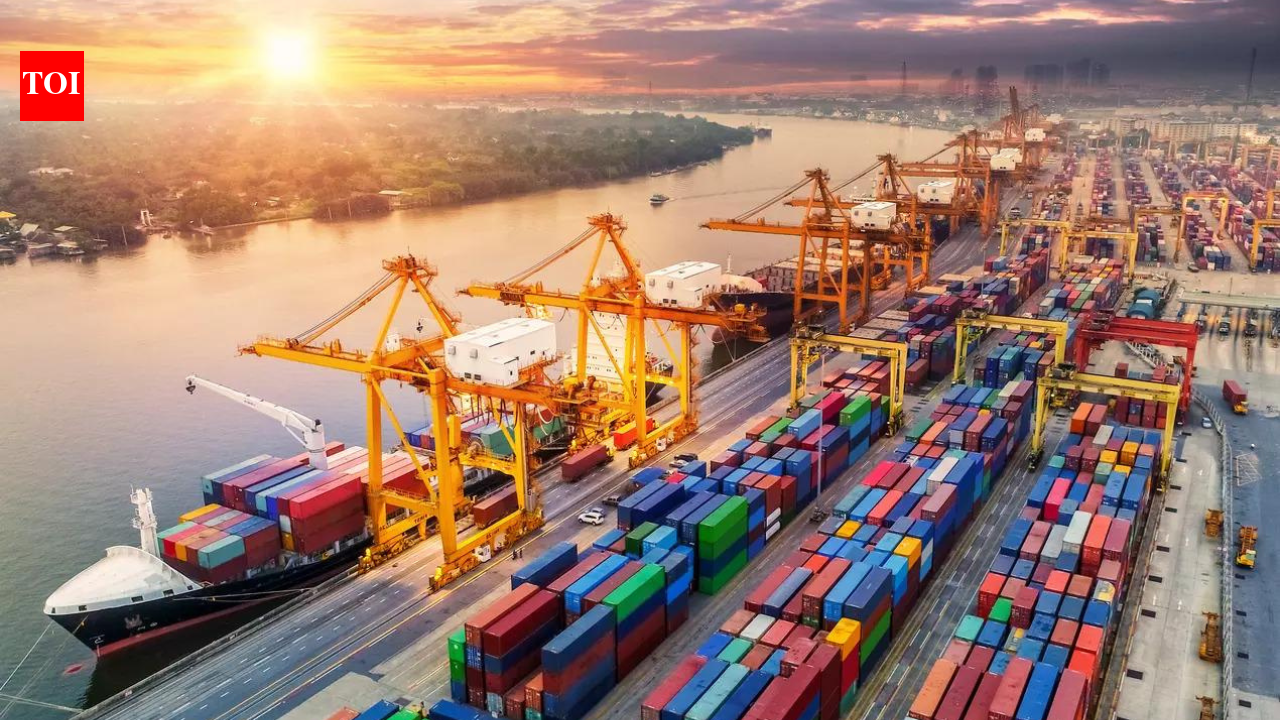
Control of the Strait of Hormuz: The strategic waterway, through which around 20% of global oil and LNG flows, emerged as a major flashpoint. Iran has maintained effective control via threats of mines and Revolutionary Guard patrols, drastically reducing traffic even during the ceasefire. Iran is demanding to collect tolls on ships using the Strait to fund the rebuilding of the country. The US pushed for unrestricted, safe transit without Iranian tolls or unilateral oversight.
Disagreements over fees, security arrangements, and reopening timelines deadlocked progress. Iran saw US demands as an attempt to strip away its leverage. While Trump had agreed to the toll proposal, he had proposed an Iran-US joint venture to collect the money. But Iran didn’t agree to it.
Lebanon: Iran demanded that the truce explicitly cover an end to Israeli strikes on Hezbollah in Lebanon. But the US and Israel made it clear that operations against Hezbollah were separate from the current conflict, and it won’t be stopped. Israeli strikes on Lebanon have escalated in recent days, after the ceasefire announcement. Iran is refusing to leave Lebanon out of the deal, marking a major point of disagreement.
Frozen assets: Iran is also demanding the release of blocked assets, estimated at over $6 billion. In fact, there were media reports that the US has agreed to unfreeze Iranian assets. But later, the US clarified that there is no such proposal, and Iran’s overseas assets will remain blocked. The funds were frozen in 2018 after the United States reimposed sanctions on Iran during the first presidency of Donald Trump and withdrew from the nuclear deal with Tehran.
The funds were to be released in 2023 as part of a U.S.-Iranian prisoner swap, but that was not done after the October 2023 terror attack on Israel by Iran’s ally Hamas.
Both sides entered talks declaring “victory” from the battlefield phase and projecting maximalist positions. Vance described the US approach as flexible yet firm; Iranian state media portrayed Washington as seeking excuses to exit.
Trump threatens Naval Blockade
President Trump has not issued any statement after the failure of the talks, but made his position clear hours after the talks ended. Hours after the end of the talks, he posted on Truth Social: “The Trump card the president holds if Iran won’t bend: a naval blockade”, linking to a Just the News article.
The article highlights how Trump previously used a naval blockade to pressure Venezuela before Nicolás Maduro’s ouster and argues the US could similarly “out-blockade” Iran’s hold on the Strait of Hormuz to cripple its economy and oil exports to buyers like China and India.
Trump had earlier told reporters the outcome “makes no difference” to him and that the US would “win regardless.” The post signals a willingness to escalate economically and militarily if Iran does not concede on Hormuz and nuclear issues, framing blockade as a potent, non-kinetic “Trump card.”
What happens next
The Strait of Hormuz: Despite the ceasefire, the Strait remains effectively choked. Shipping traffic is at a trickle, with only a handful of vessels per day transiting the passage due to Iranian threats and lingering mines. The US has deployed minesweepers and conducted limited transits with destroyers, which Iran views as provocative. Full reopening under neutral or joint arrangements was a key US demand that went unmet.
Moreover, there are reports that Iran has lost track of mines it had deployed to block the strait. This means that even if Iran agrees to fully open the strait, it will take time to reopen it fully. Iran lacks the capabilities to remove naval mines. While the US has minesweepers, it is a slow process.
The economic fallout of the blockade is severe: soaring oil prices, disrupted supply chains, and higher global inflation. Gulf states are staring at an uncertain future with their oil exports heavily restricted. Qatar and Kuwait are the most affected, as they are completely dependent on the Strait of Hormuz for the export of oil and gas. Others in the nation, like Saudi Arabia, the UAE, and Oman, have alternate export points through the Red Sea and the Arabian Sea, but their export capacities have come down due to the blockade.
It US is unable to reopen the Strait of Hormuz, it will be a major embarrassment for the Trump administration. Access to the Strait was free for all before the war. Therefore, any Iranian control and toll on it will be the direct result of the US-Israeli operations against Iran.
The Ceasefire and War: The two-week ceasefire is now in serious jeopardy, though it has not formally been cancelled. Immediate large-scale strikes have not resumed, but the window for diplomacy is narrowing. The Gulf nations, NATO and others want an immediate end to the war, but the US will be unwilling to exit without making any significant gain.
Trump’s signalling opens the door to naval interdiction, patrolling, boarding vessels, or enforcing sanctions-style measures to force Hormuz compliance. This could be like Venezuela tactics without a full invasion but risks Iranian responses. Trump has already announced that US forces will be cleaning up the Strait.
If Iran maintains its stance, US-Israeli strikes could restart, potentially targeting energy infrastructure or nuclear remnants. Trump had threatened to hit the Iranian road and energy infrastructure before the ceasefire, and he may execute the same now. Iran has warned of retaliation through proxies across the region.
On the Lebanon front, it is certain that Israel will not stop the strikes unless Hezbollah lays down arms and stops targeting Israel with rockets.
Failure of the Islamabad talks prolongs uncertainty for global energy markets, heightens risks of wider regional spillover, and underscores the limits of high-pressure diplomacy amid profound distrust. For now, the much-hyped talks have resulted in more tension.
The war that began in February remains unresolved, with the Strait of Hormuz as its most dangerous chokepoint.