Maharashtra civic poll results show Muslim vote bank is moving out of Congress shadow: A trailer for the full show in Assam and West Bengal
The results of the recent municipal elections in Maharashtra have triggered a serious rethink in Indian politics, especially around how Muslim voters are making choices. In many Muslim-majority areas, the old pattern of voting out of fear or habit for the Congress and other secular parties is clearly weakening. Instead, voters are now openly backing parties that they feel truly represent them, speak their language, and raise issues they care about in their everyday lives. Two stories stand out from Maharashtra. One is the strong comeback of All India Majlis-e-Ittehadul Muslimeen across several cities. The other is the stunning rise of a purely local force, the Islamic Party, in Malegaon. Together, these results suggest that a section of Muslim voters is no longer comfortable living under the shadow of bigger national parties. AIMIM’s comeback surprises many In the 29 municipal elections held across Maharashtra on 15th January, AIMIM performed far better than most people had expected. The party won between 114 and 125 wards across the state, more than double its earlier tally. In Chhatrapati Sambhajinagar, formerly known as Aurangabad, the AIMIM won 33 seats and emerged as the second-largest party, trailing only the BJP. The party’s footprint spread across many urban centres. It won 21 seats in Malegaon, 13-14 in Nanded, 10 in Dhule, 8 in Solapur, 8 in Mumbai’s BMC, 11-12 in Amravati, 7 in Nagpur, and 5 seats each in Thane and Mumbra. In the overall picture, AIMIM finished ahead of the Samajwadi Party, the Maharashtra Navnirman Sena, and the Sharad Pawar-led NCP faction. AIMIM national spokesperson Waris Pathan said the results showed that people were voting on basic civic issues. According to him, many voters felt the parties they had supported for years were no longer working for them at the ground level. That disappointment, he said, turned into support for Asaduddin Owaisi and his party. He also pointed out that the Samajwadi Party failed to make any impact in the state. Support base goes beyond one community Maharashtra AIMIM president Imtiaz Jaleel linked the party’s performance to Owaisi’s rallies and sustained local work. He stressed that AIMIM is no longer seen only as a Muslim party. According to him, Scheduled Castes, Scheduled Tribes, and even sections of Hindu voters have begun supporting AIMIM candidates. This was visible in areas like Sambhajinagar’s Gulmandi ward, once considered a stronghold of the Shiv Sena and BJP, where AIMIM candidates managed to win. In Mumbai, newly elected corporator Khairunnisa Akbar Hussain said the victory belonged to the people and promised to focus on the issues raised during the campaign. What makes this result more striking is that AIMIM entered the elections amid internal problems. The Mumbai unit president had resigned, and Jaleel had reportedly received threats. Even so, rallies led by Owaisi and his brother Akbaruddin helped set the tone. In several municipal bodies where neither the Mahayuti nor the Maha Vikas Aghadi got a clear majority, AIMIM has now emerged as a key player. Malegaon tells a local story While AIMIM’s rise grabbed headlines, the story from Malegaon was even more unusual. Malegaon, known for its powerloom industry and large population of weavers, rejected the pull of national parties. Instead, voters rallied behind a local outfit, the Islam Party, which went on to become the single-largest party in the 84-seat municipal corporation by winning 35 seats. The majority mark is 43. The Islam Party, whose full name is the Indian Secular Largest Assembly of Maharashtra, was founded in 2024 by former Congress MLA Asif Sheikh. Its agenda is tightly focused on local problems such as saving the powerloom industry, improving electricity and water supply, and addressing the daily struggles of weavers. Despite its name, locals say the party’s politics is more about civic issues than religion. In these elections, the BJP was reduced to just two seats, Congress won three, and Shiv Sena finished third with 18 seats. AIMIM, which had earlier done well in Malegaon, was limited to 21 seats this time. Even popular figures like Mufti Ismail failed to swing the vote. Residents say national parties often arrive with big promises but disappear once elections are over. The Islam Party, being homegrown, filled that gap. Its success shows that in Muslim-majority towns, voters are now willing to back local leadership over so-called “outsider” parties. Traditional parties feel the heat For parties like the Indian National Congress, the Samajwadi Party, and the NCP, these results are worrying. The Muslim vote bank, which supported these parties for decades, is no longer united. Many voters now feel these parties talk about minority issues but fail to deliver real change. Owaisi’s direct style of speaking on minority rights, insecurity, and local problems has found strong support, especially among younger Muslim vote


The results of the recent municipal elections in Maharashtra have triggered a serious rethink in Indian politics, especially around how Muslim voters are making choices.
In many Muslim-majority areas, the old pattern of voting out of fear or habit for the Congress and other secular parties is clearly weakening. Instead, voters are now openly backing parties that they feel truly represent them, speak their language, and raise issues they care about in their everyday lives.
Two stories stand out from Maharashtra. One is the strong comeback of All India Majlis-e-Ittehadul Muslimeen across several cities. The other is the stunning rise of a purely local force, the Islamic Party, in Malegaon. Together, these results suggest that a section of Muslim voters is no longer comfortable living under the shadow of bigger national parties.
AIMIM’s comeback surprises many
In the 29 municipal elections held across Maharashtra on 15th January, AIMIM performed far better than most people had expected. The party won between 114 and 125 wards across the state, more than double its earlier tally. In Chhatrapati Sambhajinagar, formerly known as Aurangabad, the AIMIM won 33 seats and emerged as the second-largest party, trailing only the BJP.
The party’s footprint spread across many urban centres. It won 21 seats in Malegaon, 13-14 in Nanded, 10 in Dhule, 8 in Solapur, 8 in Mumbai’s BMC, 11-12 in Amravati, 7 in Nagpur, and 5 seats each in Thane and Mumbra. In the overall picture, AIMIM finished ahead of the Samajwadi Party, the Maharashtra Navnirman Sena, and the Sharad Pawar-led NCP faction.
AIMIM national spokesperson Waris Pathan said the results showed that people were voting on basic civic issues. According to him, many voters felt the parties they had supported for years were no longer working for them at the ground level. That disappointment, he said, turned into support for Asaduddin Owaisi and his party. He also pointed out that the Samajwadi Party failed to make any impact in the state.
Support base goes beyond one community
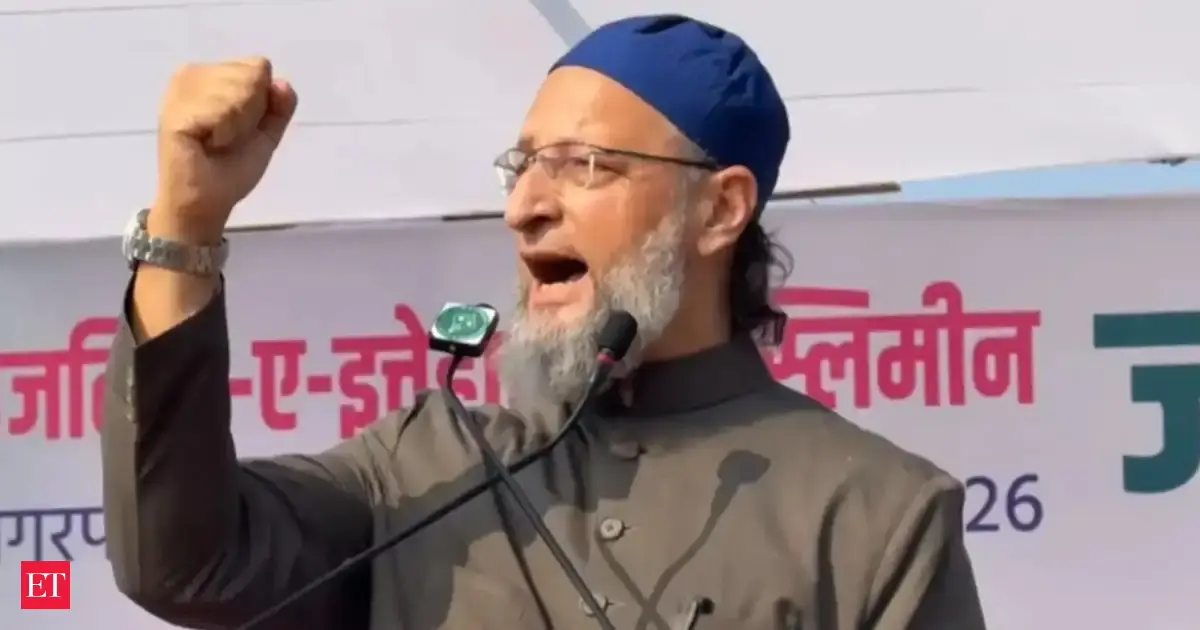
Maharashtra AIMIM president Imtiaz Jaleel linked the party’s performance to Owaisi’s rallies and sustained local work. He stressed that AIMIM is no longer seen only as a Muslim party. According to him, Scheduled Castes, Scheduled Tribes, and even sections of Hindu voters have begun supporting AIMIM candidates.
This was visible in areas like Sambhajinagar’s Gulmandi ward, once considered a stronghold of the Shiv Sena and BJP, where AIMIM candidates managed to win. In Mumbai, newly elected corporator Khairunnisa Akbar Hussain said the victory belonged to the people and promised to focus on the issues raised during the campaign.
What makes this result more striking is that AIMIM entered the elections amid internal problems. The Mumbai unit president had resigned, and Jaleel had reportedly received threats. Even so, rallies led by Owaisi and his brother Akbaruddin helped set the tone. In several municipal bodies where neither the Mahayuti nor the Maha Vikas Aghadi got a clear majority, AIMIM has now emerged as a key player.
Malegaon tells a local story
While AIMIM’s rise grabbed headlines, the story from Malegaon was even more unusual. Malegaon, known for its powerloom industry and large population of weavers, rejected the pull of national parties. Instead, voters rallied behind a local outfit, the Islam Party, which went on to become the single-largest party in the 84-seat municipal corporation by winning 35 seats. The majority mark is 43.
The Islam Party, whose full name is the Indian Secular Largest Assembly of Maharashtra, was founded in 2024 by former Congress MLA Asif Sheikh. Its agenda is tightly focused on local problems such as saving the powerloom industry, improving electricity and water supply, and addressing the daily struggles of weavers.
Despite its name, locals say the party’s politics is more about civic issues than religion. In these elections, the BJP was reduced to just two seats, Congress won three, and Shiv Sena finished third with 18 seats. AIMIM, which had earlier done well in Malegaon, was limited to 21 seats this time. Even popular figures like Mufti Ismail failed to swing the vote.
Residents say national parties often arrive with big promises but disappear once elections are over. The Islam Party, being homegrown, filled that gap. Its success shows that in Muslim-majority towns, voters are now willing to back local leadership over so-called “outsider” parties.
Traditional parties feel the heat
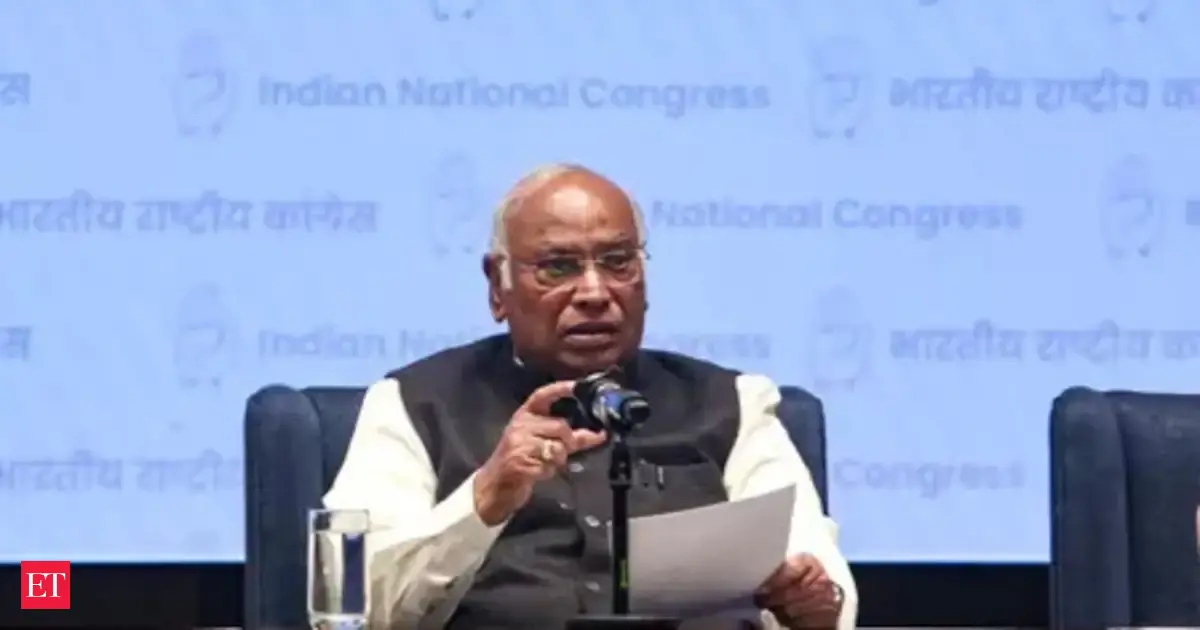
For parties like the Indian National Congress, the Samajwadi Party, and the NCP, these results are worrying. The Muslim vote bank, which supported these parties for decades, is no longer united. Many voters now feel these parties talk about minority issues but fail to deliver real change.
Owaisi’s direct style of speaking on minority rights, insecurity, and local problems has found strong support, especially among younger Muslim voters. Political analysts say a mix of fear, frustration, and unmet expectations is driving this shift. Muslim voters are increasingly choosing parties that openly claim to represent them rather than voting tactically to stop someone else.
West Bengal watches closely
What happened in Maharashtra may soon be seen on a bigger scale in West Bengal. Expelled All India Trinamool Congress MLA Humayun Kabir has launched his own party and is in talks with Owaisi for an alliance. Kabir has also announced plans to build a mosque inspired by the Babri Masjid in Murshidabad, adding an emotional angle to his politics.
Muslims make up around 30 % of West Bengal’s population and are decisive in about 120 to 126 assembly seats. In at least 45 seats, Muslim voters form more than half of the electorate. Kabir believes that if the TMC’s Muslim vote splits, he could gain significantly in the 2026 assembly elections.
In 2021, the TMC won 215 seats, well above the majority mark. Kabir’s calculation is simple: if the party loses around 100 seats and his new outfit wins 40-50, he could become a kingmaker. Such a split could also help the Bharatiya Janata Party emerge as the largest party.
In the last assembly election, AIMIM contested alone in Bengal but failed to dent the TMC’s support among Muslims. This time, the combination of a local leader like Kabir, Owaisi’s wider acceptance after Bihar, and religious symbolism could change the outcome.
Assam is already on a similar path
Assam’s Muslim politics has long revolved around the All India United Democratic Front, led by Badruddin Ajmal. The party has built a strong base in Muslim-majority areas and carved out an identity independent of Congress.
Ahead of the 2026 assembly elections, reports suggest Ajmal could explore an understanding with AIMIM, something that has made Congress uneasy. Ajmal has claimed his party could overtake Congress, while Congress leaders have ruled out any alliance with AIUDF.
Issues like the NRC, the CAA, and debates around Bangladeshi infiltration have sharpened Muslim political identity in Assam. The BJP, led by Chief Minister Himanta Biswa Sarma, continues to project the narrative of local versus migrant Muslims and remains strong in surveys. Still, a possible AIUDF-AIMIM tie-up could hurt Congress in much the same way it has been hurt in Maharashtra.
A clear shift is taking shape
Taken together, developments in Maharashtra, West Bengal, and Assam point to a clear shift. Many Muslim voters no longer want to remain tied to Congress, the Samajwadi Party, or the TMC by default. They are increasingly backing parties they see as their own, whether it is AIMIM, the Islamist Party, AIUDF, or new outfits led by leaders like Humayun Kabir.
There are several reasons behind this change. Traditional secular parties are seen as raising issues but failing to act. Leaders like Owaisi offer a strong and confident voice that resonates with the youth. New and local parties are focusing on everyday problems rather than big national slogans.
In the short term, a divided Muslim vote could weaken the opposition and help ruling parties. But many believe that in the long run, this process will strengthen Muslim politics by giving it a clearer and more independent identity.
Maharashtra has shown the first signs of this shift. West Bengal may soon take it further, and similar trends are already visible in Bihar, Uttar Pradesh, Kerala, and Karnataka. Indian politics appears to be entering a new phase, where old vote banks are breaking, and new identities are taking shape in the open.