Leftists outrage after BCCI asks KKR to release Mustafizur Rahman: Why the Left can’t tolerate India responding to Hindu persecution in Bangladesh
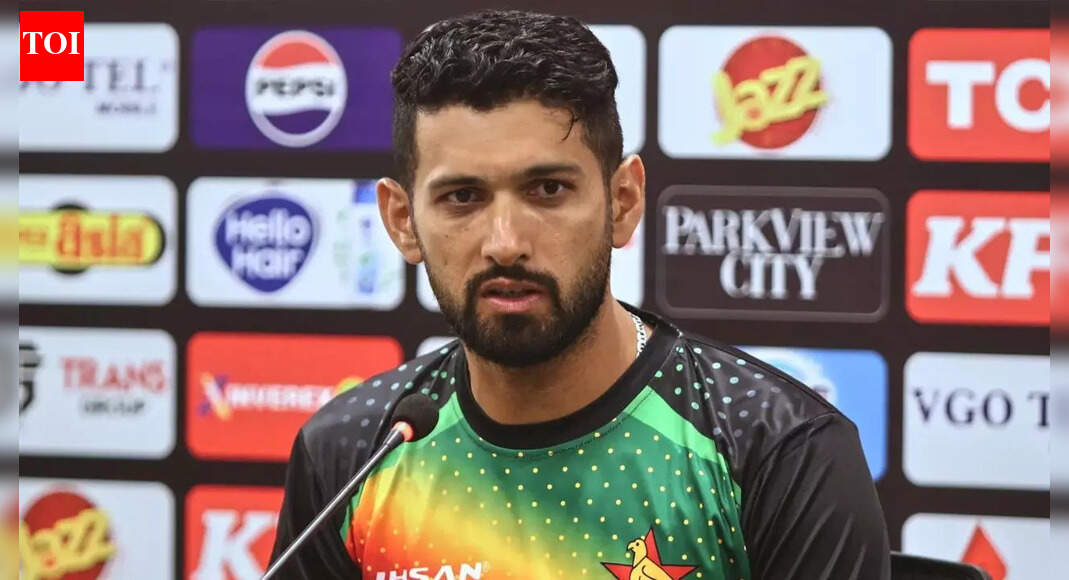
On Saturday, January 3, the left-wing liberal ecosystem found yet another reason to erupt in outrage after the Board of Control for Cricket in India (BCCI) directed Kolkata Knight Riders (KKR) to release Bangladeshi cricketer Mustafizur Rahman from the upcoming Indian Premier League (IPL) season. The decision followed widespread public anger over Rahman’s inclusion at a time when Hindus in Bangladesh continue to face targeted violence in the aftermath of the August 2024 ouster of former Prime Minister Sheikh Hasina. The political upheaval was followed by Islamist mobs running amok, attacking Hindu homes, temples, and individuals with near impunity, shocking Indian public opinion and triggering calls to bar Bangladeshi players from India’s cash-rich cricket league. BCCI secretary Devajit Saikia confirmed that the board had formally informed KKR of its decision and permitted the franchise to sign a replacement player if it chose to do so. KKR subsequently clarified that it had released Mustafizur Rahman from its squad. Public anger rooted in real atrocities While India–Bangladesh relations had already soured in recent months, the situation deteriorated sharply after gruesome incidents such as the lynching of Hindu man Dipu Chandra Das and multiple attacks on Hindus under the pretext of “blasphemy.” These incidents were not aberrations but part of a wider pattern of religious persecution that the Bangladeshi state has failed to decisively curb. It was against this grim backdrop that Indian citizens questioned the propriety of allowing a Bangladeshi cricketer to participate in one of the world’s most lucrative sporting leagues, even as minorities in his home country were being hunted for their faith. Left-liberal outrage over India responding to public sentiment However, the moment the BCCI acknowledged public anger and acted, the familiar outrage machinery of the left-wing ecosystem kicked into overdrive. Journalists, historians, and foreign policy commentators rushed to lament “damaged diplomacy” and “lost soft power,” as though sporting ties must take precedence over mass violence against Hindus. Gargi Rawat of NDTV questioned the move, tweeting: “Imagine what kind of message this sends to our neighbour Bangladesh. Sangeet Som may have scored points for his domestic audience, but this damages India’s diplomacy and relations.” Imagine what kind of message this sends to our neighbour Bangladesh .. Sangeet Som may have scored points for his domestic audience but this damages India’s diplomacy and relations. #KKR #BCCI https://t.co/2nbmM5pxKB— Gargi Rawat (@GargiRawat) January 3, 2026 Ram Guha, a self-described historian with a knack of distorting facts and spinning narratives, termed the decision “deeply unwise,” arguing that cricketing ties were vital for good relations with Dhaka and speculating that such a move could push Bangladesh closer to Islamabad, a familiar trope deployed whenever India takes a stand that the Left finds inconvenient. This is a deeply unwise move. It is in India's national interest to have good relations with Bangladesh, and cricketing ties can vitally help in that. This short-sighted decision may only make Dhaka come closer to Islamabad. https://t.co/B0hWXT2mQa— Ramachandra Guha (@Ram_Guha) January 3, 2026 Foreign affairs editor Suhasini Haider went further, suggesting that India had no business expressing disapproval over the persecution of Hindus if it risked offending Dhaka. She lamented that while External Affairs Minister S Jaishankar could visit Bangladesh and Prime Minister Narendra Modi could meet Bangladeshi leaders, a cricketer was apparently being denied the right to play in India. With neighbour after neighbour, the government allows social media campaigns to overpower its diplomacy and destroy Indian soft power. EAM Jaishankar can visit Dhaka, PM Modi can meet Bangladesh leader, but a cricketer cant play in an Indian team. https://t.co/OGo8DfF5zb— Suhasini Haidar (@suhasinih) January 3, 2026 Adding to this chorus, ‘columnist’ Saba Naqvi also weighed in hours after the BCCI’s directive, declaring that India had lost all “moral stature” in South Asia and had become “mean-spirited” for not allowing a Bangladeshi player to feature in a commercial league. In a lengthy post on X, Naqvi argued that India’s historical role in Bangladesh’s liberation, the fact that the Bangladeshi national anthem was composed by Rabindranath Tagore, and India hosting the deposed Bangladeshi prime minister should have prevented such a decision. She went on to claim that India was choosing a “nasty uncivil script not befitting a great power,” allegedly driven by impending state elections and “Hindutva hardliners,” concluding with the lament that India had fallen from being a “moral power the world admired.” We have the deposed Bangladesh prime minister on Indian soil, the national anthem of that country is a composition by Rabindranath Tagore,
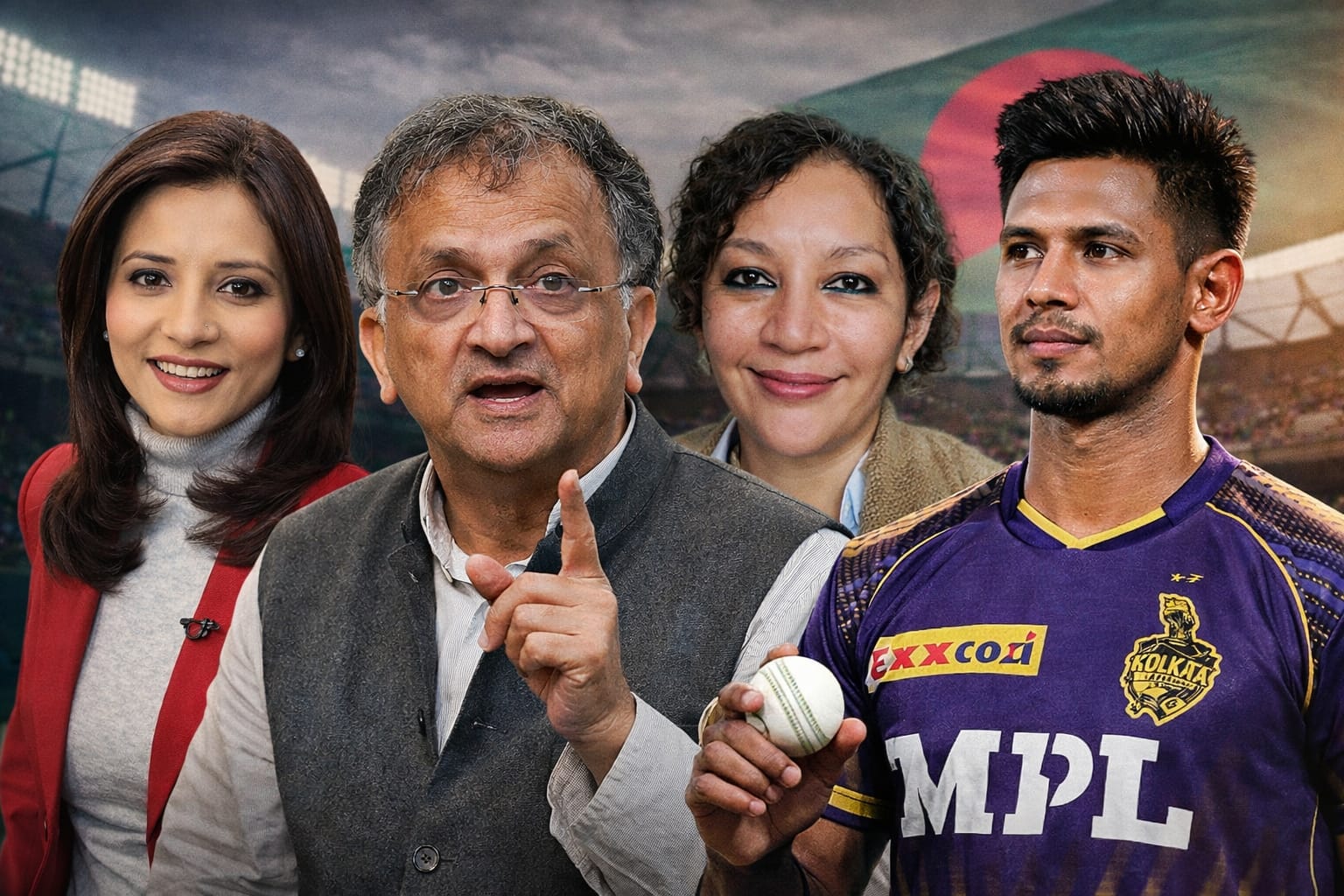

On Saturday, January 3, the left-wing liberal ecosystem found yet another reason to erupt in outrage after the Board of Control for Cricket in India (BCCI) directed Kolkata Knight Riders (KKR) to release Bangladeshi cricketer Mustafizur Rahman from the upcoming Indian Premier League (IPL) season.
The decision followed widespread public anger over Rahman’s inclusion at a time when Hindus in Bangladesh continue to face targeted violence in the aftermath of the August 2024 ouster of former Prime Minister Sheikh Hasina. The political upheaval was followed by Islamist mobs running amok, attacking Hindu homes, temples, and individuals with near impunity, shocking Indian public opinion and triggering calls to bar Bangladeshi players from India’s cash-rich cricket league.
BCCI secretary Devajit Saikia confirmed that the board had formally informed KKR of its decision and permitted the franchise to sign a replacement player if it chose to do so. KKR subsequently clarified that it had released Mustafizur Rahman from its squad.
Public anger rooted in real atrocities
While India–Bangladesh relations had already soured in recent months, the situation deteriorated sharply after gruesome incidents such as the lynching of Hindu man Dipu Chandra Das and multiple attacks on Hindus under the pretext of “blasphemy.” These incidents were not aberrations but part of a wider pattern of religious persecution that the Bangladeshi state has failed to decisively curb.
It was against this grim backdrop that Indian citizens questioned the propriety of allowing a Bangladeshi cricketer to participate in one of the world’s most lucrative sporting leagues, even as minorities in his home country were being hunted for their faith.
Left-liberal outrage over India responding to public sentiment
However, the moment the BCCI acknowledged public anger and acted, the familiar outrage machinery of the left-wing ecosystem kicked into overdrive. Journalists, historians, and foreign policy commentators rushed to lament “damaged diplomacy” and “lost soft power,” as though sporting ties must take precedence over mass violence against Hindus.
Gargi Rawat of NDTV questioned the move, tweeting: “Imagine what kind of message this sends to our neighbour Bangladesh. Sangeet Som may have scored points for his domestic audience, but this damages India’s diplomacy and relations.”
Imagine what kind of message this sends to our neighbour Bangladesh .. Sangeet Som may have scored points for his domestic audience but this damages India’s diplomacy and relations. #KKR #BCCI https://t.co/2nbmM5pxKB
— Gargi Rawat (@GargiRawat) January 3, 2026
Ram Guha, a self-described historian with a knack of distorting facts and spinning narratives, termed the decision “deeply unwise,” arguing that cricketing ties were vital for good relations with Dhaka and speculating that such a move could push Bangladesh closer to Islamabad, a familiar trope deployed whenever India takes a stand that the Left finds inconvenient.
This is a deeply unwise move. It is in India's national interest to have good relations with Bangladesh, and cricketing ties can vitally help in that. This short-sighted decision may only make Dhaka come closer to Islamabad. https://t.co/B0hWXT2mQa
— Ramachandra Guha (@Ram_Guha) January 3, 2026
Foreign affairs editor Suhasini Haider went further, suggesting that India had no business expressing disapproval over the persecution of Hindus if it risked offending Dhaka. She lamented that while External Affairs Minister S Jaishankar could visit Bangladesh and Prime Minister Narendra Modi could meet Bangladeshi leaders, a cricketer was apparently being denied the right to play in India.
With neighbour after neighbour, the government allows social media campaigns to overpower its diplomacy and destroy Indian soft power.
— Suhasini Haidar (@suhasinih) January 3, 2026
EAM Jaishankar can visit Dhaka, PM Modi can meet Bangladesh leader, but a cricketer cant play in an Indian team. https://t.co/OGo8DfF5zb
Adding to this chorus, ‘columnist’ Saba Naqvi also weighed in hours after the BCCI’s directive, declaring that India had lost all “moral stature” in South Asia and had become “mean-spirited” for not allowing a Bangladeshi player to feature in a commercial league.
In a lengthy post on X, Naqvi argued that India’s historical role in Bangladesh’s liberation, the fact that the Bangladeshi national anthem was composed by Rabindranath Tagore, and India hosting the deposed Bangladeshi prime minister should have prevented such a decision.
She went on to claim that India was choosing a “nasty uncivil script not befitting a great power,” allegedly driven by impending state elections and “Hindutva hardliners,” concluding with the lament that India had fallen from being a “moral power the world admired.”
We have the deposed Bangladesh prime minister on Indian soil, the national anthem of that country is a composition by Rabindranath Tagore, we have always claimed a historical role in the liberation of Bangladesh. But today we are so mean spirited that we cannot allow an athlete…
— Saba Naqvi (@_sabanaqvi) January 3, 2026
The argument was revealing, not for its concern about morality, but for its complete erasure of the ongoing persecution of Hindus in Bangladesh. Once again, the violence faced by minorities was treated as a minor inconvenience, while the exclusion of a foreign athlete from a private league was elevated into a civilisational crisis.
Selective morality and predictable hypocrisy
These sermons on morality appear to be reserved exclusively for the Indian state. Had Virat Kohli been barred from playing in a foreign country for political reasons, the same left-wing ideologues would have instantly framed it as a failure of India’s foreign policy. None would have questioned the country imposing the ban; instead, New Delhi would have been asked to explain itself.
This perversity is not confined to sports. When Donald Trump imposed tariffs on India, the left-liberal ecosystem rushed to write obituaries for India’s foreign policy. Few asked why the United States was attempting to strong-arm India into a trade deal favourable to Washington. As always, the instinct was to blame India first.
False moral equivalence as a permanent feature
Whether the issue is diplomacy, trade, or cricket, the script remains unchanged. India asserting itself is portrayed as a moral failure; India responding to public sentiment is framed as majoritarian bullying; and India refusing to subordinate its decisions to elite approval is cast as civilisational decline.
The outrage over Mustafizur Rahman’s exclusion ultimately says little about India’s moral stature and much more about the left-wing ecosystem’s enduring discomfort with a country that no longer seeks validation from its self-appointed moral custodians.