Kajal Hindustani vs Sadhvi Ritambhara: UGC row sparks debate on Hindu unity. Read why their statements are going viral and why the argument is being discussed
The draconian University Grants Commission (Promotion of Equity in Higher Education Institutions) Regulations of 2026 have enraged the general category Hindu community. While the Supreme Court has put a stay on the outrageous regulations, the anger, debate, and the protests against the BJP-led Central government are not dying down. A fresh controversy has erupted over statements made by a Hindu saint and a key figure in the Ram Janmbhoomi Movement, Sadhvi Ritambhara, and Hindu rights activist Kajal Hindustani over the UGC caste equity guidelines issue and the general category’s protests against it. The issue has divided a significant section of Hindus into two factions: one, which is opposed to the UGC regulations but does not favour boycotting or completely turning against the Modi government; the other faction views the UGC regulations as divisive and destructive, and believes that the BJP is not immune to criticism and opposition. Before delving into the details of the Sadhi Ritambhara-Kajal Hindustani controversy over the UGC issue, it is important to recall, in brief, the outrageous aspect of the UGC guidelines 2026 that have triggered uproar among the ‘upper-caste’ Hindus. The 2026 regulations ruled out the general castes as victims of caste-based violence by restricting the category of victims to SCs, STs, and OBCs. There is no provision for general category students to raise a complaint when subjected to caste-based discrimination. The 2026 regulations not only assume that caste-based discrimination is only directed towards people from the SC, ST, and OBC communities, but, in a way, promote reverse caste-based discrimination by excluding general castes, which form a large section of the academic community, from protection. BJP MP Sakshi Maharaj’s 90-10 Dalit-Savarna fearmongering statement The entire controversy finds its roots in a statement given by BJP MP Sakshi Maharaj in February this year, wherein he warned the general category people against protesting or ‘overreacting’ to the draconian UGC equity rules. Highlighting that upper castes are only 10% while SC/ST/OBC together form 90%, Sakshi Maharaj said that if the Dalit Hindu community starts viewing the anti-UGC protests by the Savarna Hindus as a threat or opposition against them, the people from upper castes “may not be able to become MPs or MLAs, etc. A few weeks later, Hindu rights activist Kajal Hindustani was invited to the Shatabdi Anand Mahotsav event marking the holy centenary year of Swami Vamdev Ji Maharaj in Uttar Pradesh’s Vrindavan. During her speech at the 3rd day of the event on 1st March 2026, Kajal Hindustani said that during the era of Lord Shri Ram in Tretayug, he never discriminated against any caste, and considered everyone as equals. Even during the Ram Janmabhoomi Movement, all Hindus, regardless of their caste, participated. She added that the Ram Mandir Movement could become a historic success and the rightful abode of Bhagwan Ram could be reclaimed because it was a collective effort devoid of any caste bias. She further emphasised that even during the Mahakumbh held in 2025, there was no caste discrimination and no separate lines for Brahmins or Kshatriya, or Vaishya. Kajal Hindustani asserted that everyone has made meticulous efforts to end caste divisions; however, a king then brings “black law” (Kaala Kanoon) like the UGC, and divides Brahmins, Kshatriyas, and “Sevaks”. She called it “Adharma”. “A king (here meant for Prime Minister Narendra Modi) brings in a black law that divides Brahmins, Kshatriyas, Vaishyas and Sevaks (SC/. This is unrighteousness,” Kajal said. She gave the example of warrior prince Arjun’s reluctance to fight against his family members like Bheeshma, and teacher Dron Acharya, even as he knew they sided with Adharma (wrong, injustice), and was schooled by Lord Krishna against tolerating unrighteousness merely because it was committed by his loved ones. “If we too pass a black law like the UGC and if we remain silent, then we too are unrighteous. Why are we divided into castes? Is any saint dividing us into castes? Brahmins are already being maligned. And then they abuse Brahmins and raise slogans in colleges. Brahmin, your grave will be dug. Why will the grave of a Brahmin be dug? Tilak, Taraaju, aur Talwar, inko maaro jootey char. Why beat us with shoes? And they shout slogans like Brahmins should leave India. Your blood will flow. Why will blood flow? Who is dividing us?” she continued. Furthermore, Kajal Hindustani criticised the BJP, saying that before elections, the party gives slogans like “Ek hain toh safe hain” and “Bantogey toh katogey” to Hindus, but after elections, it divides Hindus on caste lines through its policies like the UGC equity rules. “Before the elections, they (BJP) say that if you are united, then you are safe (Ek hain toh safe hain). If you get divided, then you will be slaughtered (bantogey toh katogey), and after the
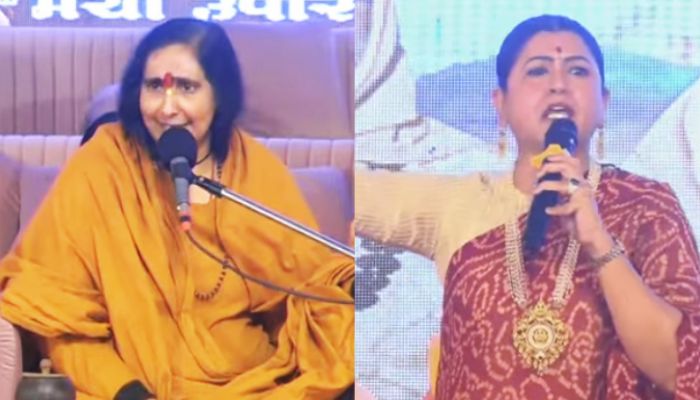
The draconian University Grants Commission (Promotion of Equity in Higher Education Institutions) Regulations of 2026 have enraged the general category Hindu community. While the Supreme Court has put a stay on the outrageous regulations, the anger, debate, and the protests against the BJP-led Central government are not dying down. A fresh controversy has erupted over statements made by a Hindu saint and a key figure in the Ram Janmbhoomi Movement, Sadhvi Ritambhara, and Hindu rights activist Kajal Hindustani over the UGC caste equity guidelines issue and the general category’s protests against it.
The issue has divided a significant section of Hindus into two factions: one, which is opposed to the UGC regulations but does not favour boycotting or completely turning against the Modi government; the other faction views the UGC regulations as divisive and destructive, and believes that the BJP is not immune to criticism and opposition.
Before delving into the details of the Sadhi Ritambhara-Kajal Hindustani controversy over the UGC issue, it is important to recall, in brief, the outrageous aspect of the UGC guidelines 2026 that have triggered uproar among the ‘upper-caste’ Hindus.
The 2026 regulations ruled out the general castes as victims of caste-based violence by restricting the category of victims to SCs, STs, and OBCs. There is no provision for general category students to raise a complaint when subjected to caste-based discrimination. The 2026 regulations not only assume that caste-based discrimination is only directed towards people from the SC, ST, and OBC communities, but, in a way, promote reverse caste-based discrimination by excluding general castes, which form a large section of the academic community, from protection.
BJP MP Sakshi Maharaj’s 90-10 Dalit-Savarna fearmongering statement
The entire controversy finds its roots in a statement given by BJP MP Sakshi Maharaj in February this year, wherein he warned the general category people against protesting or ‘overreacting’ to the draconian UGC equity rules. Highlighting that upper castes are only 10% while SC/ST/OBC together form 90%, Sakshi Maharaj said that if the Dalit Hindu community starts viewing the anti-UGC protests by the Savarna Hindus as a threat or opposition against them, the people from upper castes “may not be able to become MPs or MLAs, etc.
A few weeks later, Hindu rights activist Kajal Hindustani was invited to the Shatabdi Anand Mahotsav event marking the holy centenary year of Swami Vamdev Ji Maharaj in Uttar Pradesh’s Vrindavan.
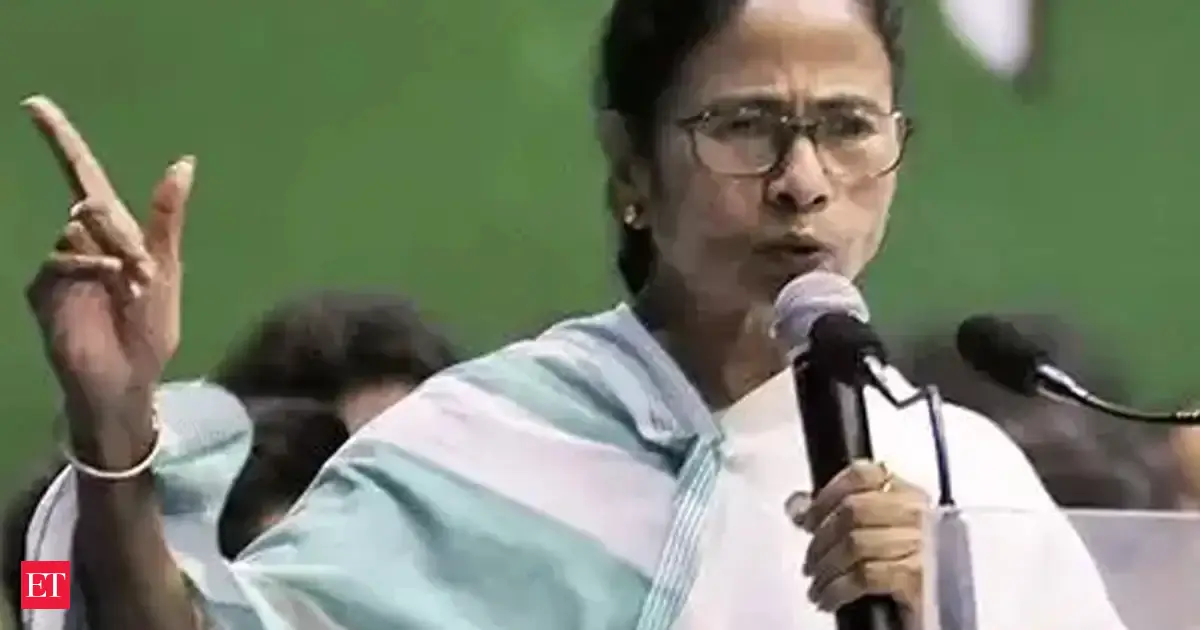
During her speech at the 3rd day of the event on 1st March 2026, Kajal Hindustani said that during the era of Lord Shri Ram in Tretayug, he never discriminated against any caste, and considered everyone as equals. Even during the Ram Janmabhoomi Movement, all Hindus, regardless of their caste, participated. She added that the Ram Mandir Movement could become a historic success and the rightful abode of Bhagwan Ram could be reclaimed because it was a collective effort devoid of any caste bias. She further emphasised that even during the Mahakumbh held in 2025, there was no caste discrimination and no separate lines for Brahmins or Kshatriya, or Vaishya.
Kajal Hindustani asserted that everyone has made meticulous efforts to end caste divisions; however, a king then brings “black law” (Kaala Kanoon) like the UGC, and divides Brahmins, Kshatriyas, and “Sevaks”. She called it “Adharma”.
“A king (here meant for Prime Minister Narendra Modi) brings in a black law that divides Brahmins, Kshatriyas, Vaishyas and Sevaks (SC/. This is unrighteousness,” Kajal said.
She gave the example of warrior prince Arjun’s reluctance to fight against his family members like Bheeshma, and teacher Dron Acharya, even as he knew they sided with Adharma (wrong, injustice), and was schooled by Lord Krishna against tolerating unrighteousness merely because it was committed by his loved ones.
“If we too pass a black law like the UGC and if we remain silent, then we too are unrighteous. Why are we divided into castes? Is any saint dividing us into castes? Brahmins are already being maligned. And then they abuse Brahmins and raise slogans in colleges. Brahmin, your grave will be dug. Why will the grave of a Brahmin be dug? Tilak, Taraaju, aur Talwar, inko maaro jootey char. Why beat us with shoes? And they shout slogans like Brahmins should leave India. Your blood will flow. Why will blood flow? Who is dividing us?” she continued.
Furthermore, Kajal Hindustani criticised the BJP, saying that before elections, the party gives slogans like “Ek hain toh safe hain” and “Bantogey toh katogey” to Hindus, but after elections, it divides Hindus on caste lines through its policies like the UGC equity rules.
“Before the elections, they (BJP) say that if you are united, then you are safe (Ek hain toh safe hain). If you get divided, then you will be slaughtered (bantogey toh katogey), and after the elections, the same thing happens. Leaders say divide Hindus and cut these people. They do not want the Hindu society to remain united and organised. Because they know that Hindu society will unite to fight against the unrighteous. But Hindu society will become stronger only when it is united, then when we leaders do as we please, this Hindu society will speak over us. So don’t let this Hindu society be able to speak. Therefore, divide Hindus into castes,” the Hindu rights activist said.
#UGC पर देश के हिंदुओं की पीड़ा को हमने उस मंच पर रखा है की हमे पूर्ण विश्वाश है की वहाँ से आवाज़ अब तक दिल्ली पहुँच चुकी होगी।बात हिंदू समाज को एकजुट करने की है, जिसे किसी भी क़ीमत पर बटने नहीं देंगे।कोई भी नेता, नारा, पार्टी, पक्ष, महापुरुष और अवतार देश बदल नहीं सकते, देश को… pic.twitter.com/JIckdPbfCd— Kajal HINDUsthani (@kajal_jaihind) March 10, 2026
Kajal Hindustani further expressed her dismay over Sakshi Maharaj’s “90% Dalit 10% Savarna” statement, and said, “I feel sad about when our leaders say this and say it from the land of Uttar Pradesh, and I have come to this land, so I will say it and leave because we too are descendants of Shri Ram. So, we have taught Ramji to speak out against injustice. So, it is sad when a leader from Uttar Pradesh, who himself poses as a saint, says that you, the 10%, will tell the 90% that such UGC laws will keep coming, and you will have to accept them silently. I feel sad because they are trying to divide us.”
However, after Kajal Hindustani concluded her speech, the event’s host immediately said that the event was a platform for raising such issues. On one hand, he said that this was not the platform for raising the issue of UGC guidelines, on the other, he emphasised that if Modi government has made a “mistake”, then it will be rectified through the saints and this platform.
Sakshi Maharaj defended the Modi government without saying a word on the controversial UGC equity regulations
In the same event, Sakshi Maharaj was present, and he defended the BJP government, saying that at a time when there are two factions active, one who want to ‘Christianise’ and the other who want to ‘Islamise’ Bharat, if those Hindus who are upset with the party will not vote for the BJP, then who will they vote for? Rahul Gandhi. IF they will not vote for Yogi Adityanath, who will they vote for, the son (Samajwadi Party leader Akhilesh Yadav) of those who (late Mulayam Singh Yadav) ordered firing on karsevaks.
Sakshi Maharaj said that it is because PM Modi is there that Ayodhya Ram Mandir could be built, because Modi is there that Article 370 could be abrogated, adding that Bhagwa/saffron gets respect because Modi is in power; otherwise, there would be a narrative of ‘saffron terror’.
‘Don’t wash dirty linen in public’: Sadhvi Ritambhara expressed pain over Kajal Hindustani raising the UGC caste guidelines issue
At the same event on 1st March, veteran Hindu rights leader and saint Sadhvi Ritambhara delivered a speech. She was present when Kajal Hindustani addressed the gathering. Building on Sakshi Maharaj’s counter, Sadhvi Ritambhara said that Hindus have this bad habit of finding faults within the community. She stressed that if Hindus start doubting their own (BJP) leadership, then the community is doomed.
She further asserted that ranting over the UGC caste issue is like washing dirty linen in public. She suggested that even if there are complaints and grievances over any policy decisions of the Modi government, they should not be expressed through such platforms publicly.
Sadhvi Ritambhara equated the UGC caste guidelines issue with a pimple, saying that one has to treat the pimple, not kill oneself, to get rid of it. She also argued that there is a narrative war being waged against India by external forces located in Pakistan and the Middle East to divide Hindus. Sadhvi Ritambhara appealed to Hindus with folded hands to not fall for this ploy and refrain from getting divided.
You Misused or rather badly abused the sanctity of platform you got @kajal_jaihind ji.I am really glad that Poojaniya Sadhvi @DidiRitambhara ji demolished your divisive narrative then and there itself. https://t.co/evaerzSRE8 pic.twitter.com/TE2f5Tm1qM— Amit Bhatia I अमित भाटिया (@Amitbtnh) March 10, 2026
“There are many disturbing things. They don’t feel good. But that doesn’t mean that…if a pimple develops on the body, will you kill the body or treat the pimple? This is my request to the Hindu community to identify this demon called ‘narrative’. There is a war of narrative going on in this country. There are external forces…narratives coming from Pakistan, the Middle East, and others, who want to divide Hindus by exploiting caste. They plant these toxic ideas to weaken Hindu consciousness and undermine Hindu unity…I request the Hindu Samaj to not to let these divisive narratives take root. Do not let caste become a weapon against our own…Rise above petty divisions and stay united as Hindus…” Sadhvi Ritambhara said.
While Sadhvi Ritambhara did not explicitly name Kajal Hindustani, her speech was essentially a rebuttal to Hindustani’s speech. There was no direct exchange of thoughts between the two; however, Sadhvi Ritambhara’s emphasis on Hindu unity in contrast to Kajal Hindustani’s concern over suppression of GCs through UGC rules came across as a direct clash between the two in social media discussions.
Is the UGC caste guidelines issue a mere ‘pimple’? Is the Modi government dividing Hindus on caste lines? Sadhvi Ritambhara or Kajal Hindustani, who is right?
The simple answer to the question whether Sadhvi Ritambhara is right or Kajal Hindustani is that both are right in their own place. Both expressed contrasting opinions, yet their core concern remained Hindu unity.
There have indeed been concerted efforts to divide Hindus on caste lines, as pointed out by Sadhvi Ritambhara. In fact, politics has always thrived on exploiting caste faultlines. However, the metaphor of ‘Funsi’ suggests that the UGC caste equity issue is a ‘minor wound’ and the body, which here implies both the BJP government and Hindu unity, should not be killed.
The anti-Savarna UGC caste guidelines were not brought by the enemies of India sitting in Pakistan or the Middle East; it was brought by the same BJP government that abrogated 370, backed Ram Mandir construction, and pushed for Hindu unity for years. If the party received immense support from Hindus for its good decisions, it would naturally receive backlash for the policies deemed discriminatory or divisive. This is how democracy works. The General Category’s anger over the UGC guidelines is not a fleeting or minor issue resulting from a foreign conspiracy. The issue and the angst over misuse of UGC rules, and reverse discrimination are both genuine and not trivial.
Her core argument, however, that no issue should be allowed to become so big as to be left unresolved, divide Hindu society and eventually lead to the ouster of a relatively pro-Hindu leadership, is valid.
Kajal Hindustani’s rhetoric reflected the genuine anger of the GCs against the Modi government over the UGC caste equity guidelines issue. It was seen how the BJP leaders, including cabinet ministers, turned their damage control mode on after the Supreme Court stayed the UGC regulations, and the GC outrage intensified. If damage control can be done, damage reversal is also not impossible. However, instead of addressing the issue empathically, especially when even many BJP leaders are not in favour of the UGC rules, if Sakshi Maharaj invokes 90%-10% Dalit-Savarna fear to downplay the issue and urge GCs to continue supporting the BJP, then there is a problem. The General Category has lived through the Congress era of suppression and neglect of Hindus; nobody wants it back, but the greater responsibility to ensure that lies on the BJP. BJP is not sacrosanct to criticism.
If the BJP leadership, including Prime Minister Narendra Modi, and Uttar Pradesh Chief Minister Yogi Adityanath, can be praised at the same event, why does it become a problem when Kajal Hindustani raised the issue of UGC caste equity rules with the intention to rally support of the saint community? She has been an open supporter of the BJP; issue-based criticism should not be seen as peddling or falling for any narrative or agenda to divide Hindus.
It has been noticed, however, that many opposed to Sadhvi Ritambhara’s ‘Funsi’ remark are hurling abuses at her. Her analogy might not be appropriate; her intentions were not inappropriate. Sadhvi Ritambhara, who made unforgettable contributions in the Ram Janmabhoomi Movement, has lived the era wherein even appearing proud Hindu was deemed opposed to ‘secularism’ and taking the holy name of Lord Ram was considered ‘communal’ and ‘intimidation’ of ‘minorities. Her words that Bharat has achieved a strong, nationalist, and pro-Hindu leadership after many struggles, bearing insults, reflect the pain and struggle Hindus have endured to witness the present political transition. Having a pro-Hindu political leadership is, thus, essential to ensure that the mission of Hindu unity, and by extension, national security and stability, continues.