‘Jadunath Sarkar saw a bigot, I see Aurangzeb as a pragmatist,’ Munis Faruqui tells William Dalrymple
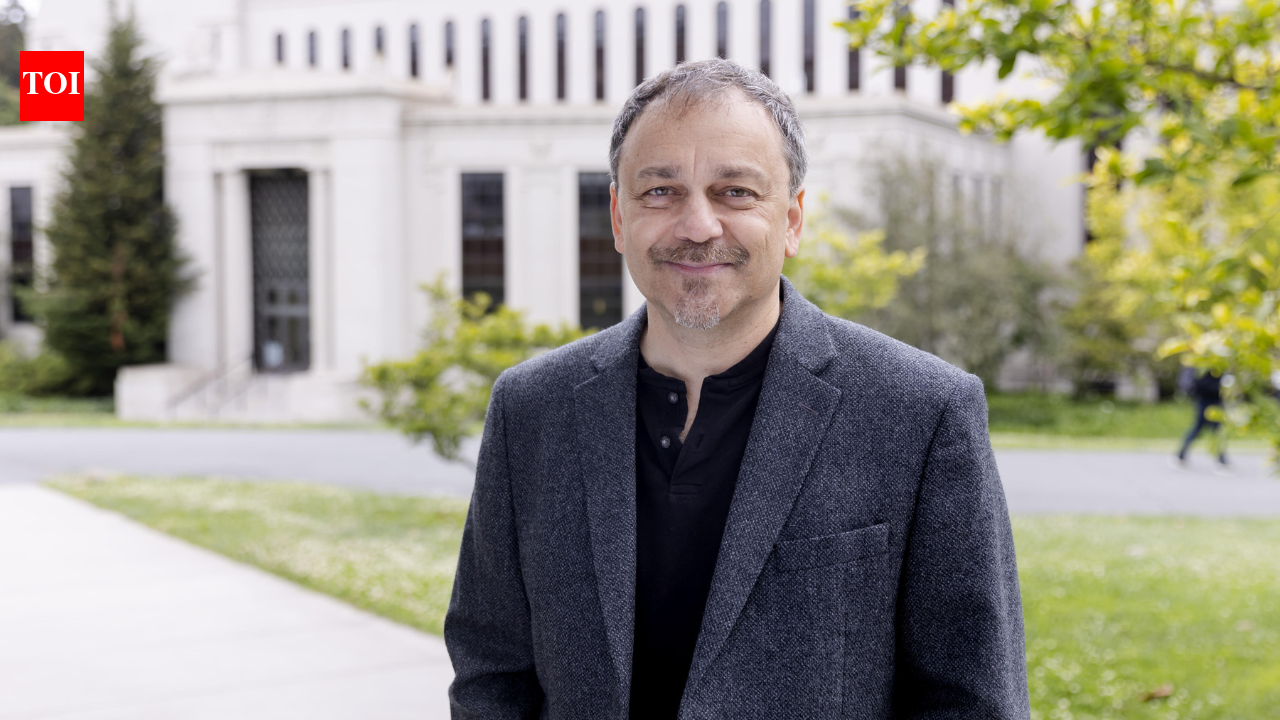
Historian Munis D. Faruqui challenges centuries-old perceptions of Mughal Emperor Aurangzeb, arguing his actions stemmed from pragmatic problem-solving rather than religious bigotry. Drawing on neglected court newsletters, Faruqui reveals a complex ruler who, despite his piety, never forced conversions and maintained core imperial policies. The book suggests Aurangzeb's reign might have been remembered differently had he died earlier, avoiding the Deccan quagmire and subsequent decline.
Historian Munis D. Faruqui challenges centuries-old perceptions of Mughal Emperor Aurangzeb, arguing his actions stemmed from pragmatic problem-solving rather than religious bigotry. Drawing on neglected court newsletters, Faruqui reveals a complex ruler who, despite his piety, never forced conversions and maintained core imperial policies. The book suggests Aurangzeb's reign might have been remembered differently had he died earlier, avoiding the Deccan quagmire and subsequent decline.